
How To
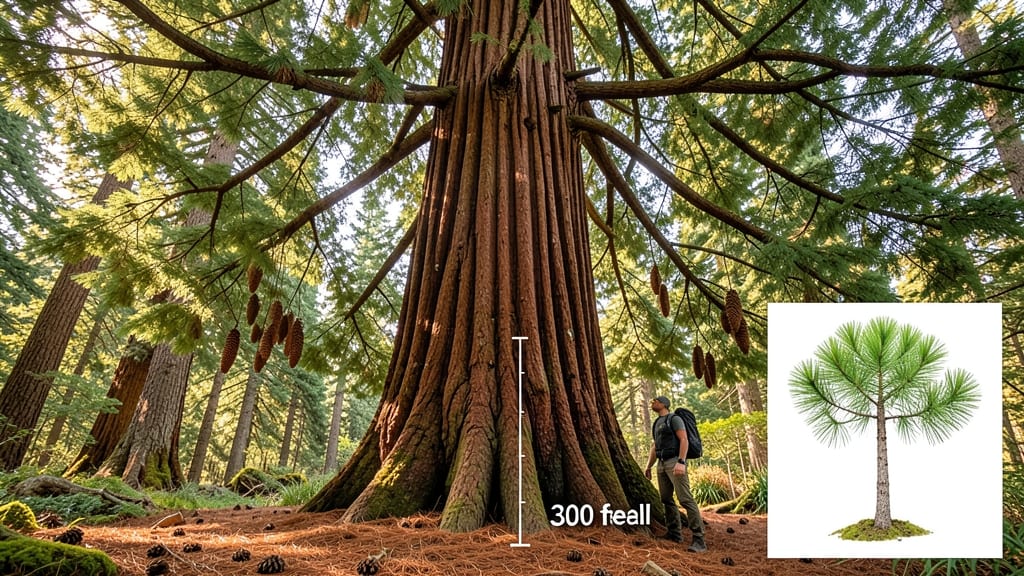
A sequoia tree can grow how tall can a sequoia tree grow to heights that dwarf even the tallest buildings 🌲—some specimens stretching over 379 feet into the sky, making them the largest trees on Earth.
Standing beneath one feels like gazing up at a living skyscraper, but just how do they reach such staggering heights? The answer lies in their ideal growing conditions, rapid early growth, and the rare combination of genetics and environment that allows them to thrive.
If you’ve ever dreamed of growing a sequoia in your yard, you’ll quickly realize these giants aren’t just about space—they demand the right climate, soil, and patience. Most home gardeners will never see their sequoia reach record-breaking heights, but understanding their potential helps set realistic expectations.
In this guide, I’ll break down the science behind their growth, compare them to other massive trees, and share practical tips for those who want to cultivate these ancient wonders—even in a backyard.


Sequoia tree height records: the tallest trees on Earth
When you stand beneath a coast redwood or giant sequoia, it’s impossible not to feel dwarfed by their sheer size. These trees aren’t just tall—they’re the tallest living organisms on Earth, surpassing even the most ambitious skyscrapers.
The tallest known specimens reach heights that defy imagination, with some exceeding 379 feet—taller than a 30-story building. But which species holds the record, and how do they achieve such staggering heights?
The title of tallest tree on Earth belongs to the coast redwood (Sequoia sempervirens), with the famous Hyperion tree standing at a breathtaking 380.1 feet. This tree, discovered in 2006, remains the tallest tree ever measured.
Meanwhile, the giant sequoia (Sequoiadendron giganteum), though not as tall, boasts the greatest volume, with the General Sherman tree weighing in at over 2.7 million pounds. Both species thrive in California’s unique climate, but their growth secrets go far beyond luck.
The comparison table below highlights the key differences between these two iconic species, including their maximum recorded heights, ideal growing conditions, and locations. These details reveal why they dominate the world’s tallest tree rankings and how their environments shape their growth.
| Species | Tallest Recorded Height | Location | Ideal Climate | Growth Rate |
|---|---|---|---|---|
| Coast Redwood (Sequoia sempervirens) | 380.1 ft (Hyperion) | Redwood National Park, CA | Coastal fog, mild winters | 3-4 ft/year (young) |
| Giant Sequoia (Sequoiadendron giganteum) | 275 ft (Algodones Champion) | Sequoia National Park, CA | Mountainous, cold winters | 2-3 ft/year (young) |
| Comparison to Human Structures | Taller than Statue of Liberty (305 ft) | N/A | N/A | N/A |
The Hyperion tree’s height is a testament to the perfect storm of conditions that allow coast redwoods to grow so tall. These trees thrive in California’s coastal fog belts, where moisture lingers in the air, providing hydration without heavy rainfall.
The mild, wet winters and cool summers create an ideal environment for rapid growth, with young trees adding 3-4 feet per year under optimal conditions.
Giant sequoias, while not as tall, achieve their massive girth through a different strategy. They grow in higher elevations, where cold winters and deep, well-draining soil foster thick, fire-resistant bark.
Their slower growth rate—2-3 feet per year—allows them to live for thousands of years, with some specimens over 3,000 years old. The General Sherman tree, for example, is estimated to be 2,200 years old and weighs more than 160 elephants.
What makes these trees so exceptional isn’t just their height but their genetic adaptations. Coast redwoods have hollow, spongy wood that reduces weight while maintaining strength, allowing them to support their massive canopies.
Giant sequoias, on the other hand, produce thick, resinous bark that protects them from fires—a natural part of their ecosystem. These adaptations, combined with their ideal growing conditions, enable them to reach heights that seem almost otherworldly.
To put their size into perspective, imagine stacking 11 average basketball players (6'7") on top of each other—you’d still fall short of the Hyperion tree’s height. Even the Algodones Champion, the tallest giant sequoia at 275 feet, would tower over the Washington Monument (169 ft).
Their dominance in the tree world isn’t just about height; it’s about endurance, adaptability, and sheer scale.
For gardeners dreaming of cultivating their own sequoia, it’s worth noting that these giants require massive space and specific conditions. While you might not grow a 380-foot redwood in your backyard, understanding their growth habits can inspire appreciation for these natural wonders.
Their ability to thrive in foggy, coastal climates or mountainous terrain is a reminder of how unique ecosystems shape life on Earth.
If you’ve ever visited a redwood forest or a grove of giant sequoias, you’ve witnessed living proof of nature’s engineering prowess. These trees don’t just grow tall—they defy gravity, outlive civilizations, and reach for the sky with a grace that leaves humans in awe
Factors that influence how tall a sequoia tree can grow
A sequoia tree's height isn't just a matter of luck—it's the result of a perfect storm of genetic potential, environmental conditions, and ecological relationships.
These ancient giants, like the coast redwood (Sequoia sempervirens) and giant sequoia (Sequoiadendron giganteum), evolve in environments where multiple factors align to push them toward their maximum 379-foot heights. Understanding these influences helps explain why some sequoias grow taller than skyscrapers while others remain stunted.
At the core, a sequoia's height is dictated by its genetic blueprint. Some trees inherit traits from parents that thrive in specific conditions, allowing them to grow faster and taller.
However, even the most genetically gifted sequoia won't reach its full potential without the right climate, soil, and water availability. These elements work together like a symphony, where every note must be perfect for the tree to hit its highest crescendo.
🌱
One of the most critical factors is climate. Coast redwoods, for example, rely on fog drip—a phenomenon where coastal fog condenses on leaves, providing moisture even in dry periods. This allows them to grow in areas with low rainfall but high humidity.
In contrast, giant sequoias thrive in the Sierra Nevada mountains, where cold winters and warm, dry summers create ideal conditions for their massive growth spurts.
Soil plays an equally vital role. Sequoias prefer deep, well-draining soil rich in organic matter. In their native habitats, they often grow in loamy or sandy soils with a thick layer of decomposing leaves and needles.
Poor soil quality, such as clay-heavy or waterlogged ground, can stunt a sequoia's growth, leading to weaker roots and slower height increases.
Even in optimal conditions, a sequoia's growth rate varies—young trees may grow 1-2 feet per year, while mature specimens can add up to 3 feet annually under perfect circumstances.
🌳
Human activities, particularly fire suppression, have dramatically altered sequoia growth patterns. Historically, natural fires cleared underbrush, allowing sunlight to reach the forest floor and promoting the growth of young sequoias.
Without these fires, forests become overcrowded, and trees compete fiercely for resources, often resulting in shorter, less robust specimens. Today, controlled burns are reintroduced to mimic natural processes, helping sequoias regain their potential for towering heights.
For gardeners or landowners, understanding these ecological relationships is key to creating conditions that mimic the sequoia's natural environment.