
Container Gardens
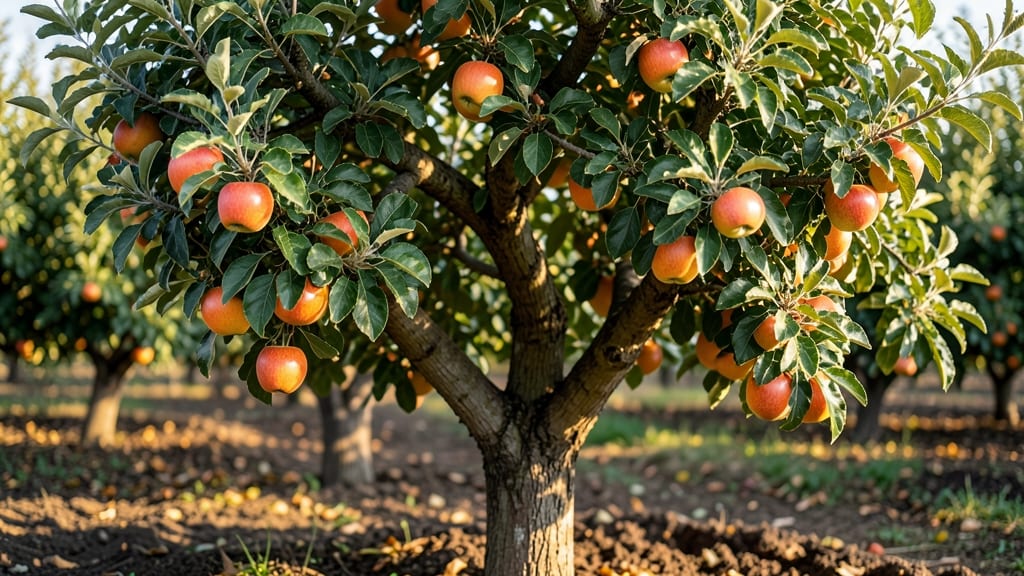
Gala apple trees grow best in USDA hardiness zones 4 through 8, where they can withstand winter lows of -30°F (-34°C) while delivering their signature sweet, crisp fruit. Plant them in early spring or fall to give roots time to establish before extreme weather or summer heat.
Gala apples are famous for their cold tolerance, making them perfect for northern climates where other varieties might struggle. 🌳 The key is understanding your specific zone's frost patterns—zones 4-5 can handle harsh winters, while zones 7-8 benefit from cooler summers that prevent stress.
I've found that proper planting timing (spring or fall) directly impacts root development, which translates to stronger trees that produce fruit more reliably.
What many gardeners overlook is how microclimates within zones can affect growth. A sheltered spot in zone 5 might protect your tree from the worst winter winds, while a south-facing location in zone 7 can extend the growing season.
For best results, pair your Gala with companion plants like thyme or marigolds—they improve soil health and deter pests without competing for resources.
💡 In This Article
- Understanding Gala Apple Tree Cold Tolerance and Climate Needs
- Optimal Planting Months and Soil Preparation for Gala Apples
Understanding Gala apple tree cold tolerance and climate needs
The Gala apple tree's cold hardiness stems from its genetic adaptation to temperate climates, where it evolved to survive winter dormancy. This variety can endure temperatures as low as -30°F (-34°C), thanks to specialized cells that produce antifreeze proteins—similar to how some fish survive Arctic waters.
In zones 4-5, these proteins prevent ice crystals from forming within the tree's vascular system, which would otherwise block water transport and kill the tree. 🌡️
Dormancy is another critical factor. Gala trees require 200-400 chill hours (temperatures between 32-45°F/0-7°C) to break dormancy properly. Without sufficient chill hours, buds may fail to open in spring, leading to poor fruit set.
For example, in zone 6, where chill hours typically range from 300-600, Gala trees thrive, while in zone 8's milder winters (often under 200 chill hours), they may produce less reliably unless given extra care like delayed pruning.
Frost sensitivity during bloom is where Gala trees show their vulnerability. When temperatures drop below 28°F (-2°C) during flowering, pollen grains can be damaged, reducing fruit production by up to 50%.
This is why gardeners in zones 4-5 often plant windbreaks or choose early-blooming varieties that align with local frost patterns. In contrast, zones 7-8 benefit from the tree's ability to handle occasional late frosts better due to their milder overall climate.
Microclimates play a surprisingly large role in Gala tree success. A north-facing slope in zone 5 might receive only 60% of the sunlight of a south-facing site, delaying spring warming and extending frost risk.
Conversely, urban areas in zone 7 can experience "heat islands" where temperatures rise 5-10°F higher than rural zones, potentially stressing the tree during summer. Planting near reflective surfaces like light-colored walls or using mulch can help regulate soil temperatures in these extreme microclimates.
Soil temperature also affects root health. Gala trees prefer soil that stays between 50-60°F (10-15°C) during winter—too warm can trigger premature growth, while too cold can damage roots.
In zone 4, where ground freezes deeply, planting on a slight mound or using thick mulch (4-6 inches) creates an insulating layer that maintains these optimal temperatures. This technique has helped gardeners in Minnesota and Maine achieve consistent yields where other varieties fail.
What most gardeners don't realize is how humidity levels interact with cold tolerance. High humidity in zones 5-6 can create ice layers on branches, increasing weight and risk of breakage.
Pruning trees to an open vase shape (rather than a dense center) reduces this danger by distributing snow load more evenly. In drier zones 7-8, the opposite challenge arises—low humidity can dry out leaves during winter, so regular watering (even in cold months) prevents desiccation.
The science behind Gala's success in zones 4-8 comes down to three key adaptations: antifreeze proteins, chill hour requirements, and flexible bloom timing. When you combine these with smart microclimate management, you create the perfect conditions for this variety to thrive where others would fail. 🌟