
Pruning
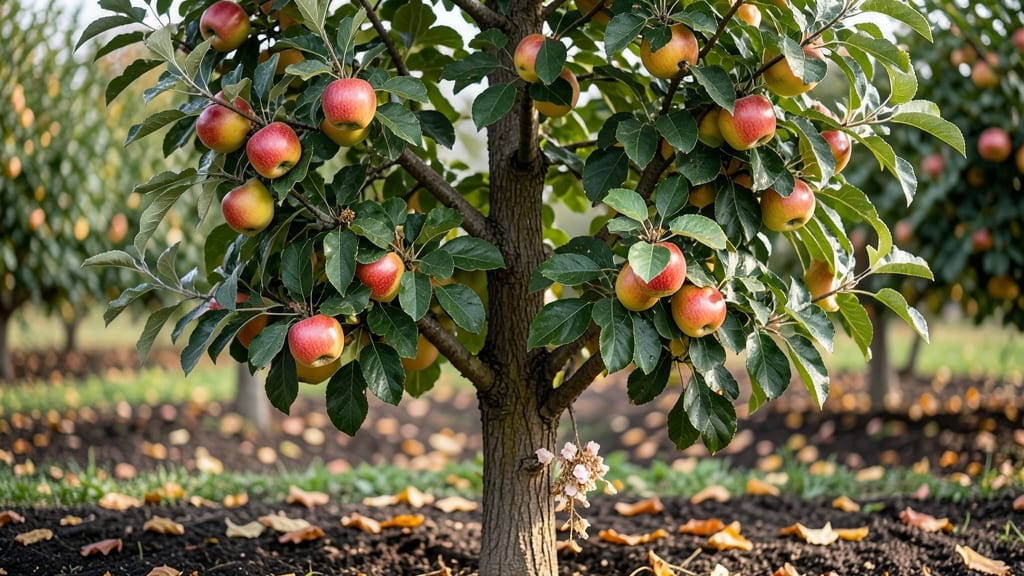
A Honeycrisp apple tree can reach a height of 15 to 25 feet if left unpruned, but with the right techniques, you can keep it much smaller—without sacrificing those juicy, sweet apples.
If you love Honeycrisp apples but lack the yard space for a full-sized tree, you’re not alone—many gardeners struggle with managing their apple tree height while maximizing fruit production. The good news? Strategic pruning can keep your Honeycrisp apple tree compact without sacrificing sweet, crisp harvests.
Whether you’re working with a dwarf variety (6 to 8 feet) or a standard tree, understanding how to control its height is key.
Below, I’ll break down the natural growth patterns, the best pruning methods to manage size, and how to choose the right variety for your space—so you can enjoy Honeycrisp apples without the towering tree.
You’ll also learn how spacing, pruning timing, and rootstock choices can make all the difference in keeping your tree manageable. Let’s get started!

How tall does a Honeycrisp apple tree grow naturally?
A Honeycrisp apple tree typically reaches a mature height of 12-16 feet when grown on its own roots, making it a standard-sized fruit tree. This height can vary depending on the rootstock used during propagation, which directly influences both the tree's size and fruit production potential.
Understanding these natural growth patterns helps gardeners plan their space and pruning strategies effectively.
Without intervention, a Honeycrisp apple tree can grow even taller—sometimes exceeding 20 feet—if planted in ideal conditions with rich soil and full sun. However, most home gardeners prefer to manage its height through pruning or by selecting dwarf or semi-dwarf varieties, which stay between 6-12 feet tall.
This makes them perfect for smaller yards or urban gardens.
Rootstock plays a crucial role in determining the final height of your Honeycrisp apple tree. Standard rootstocks allow the tree to grow to its full potential, while dwarfing rootstocks restrict growth, producing smaller trees that yield fruit earlier. For example, M.9 rootstock produces trees around 8-10 feet, while MM.106 rootstock results in trees reaching 12-15 feet.
| Variety | Mature Height | Rootstock Example | Fruit Yield |
|---|---|---|---|
| Dwarf | 6-8 ft | M.9, B.9 | Earlier, smaller harvests |
| Semi-Dwarf | 10-12 ft | MM.106, MM.111 | Moderate, steady yield |
| Standard | 15-25 ft | Seedling, Antonovka | Larger, later harvests |
When choosing a Honeycrisp apple tree, consider your garden's size and layout. A dwarf variety is ideal for containers, small yards, or urban spaces, while a semi-dwarf strikes a balance between manageable size and higher fruit production.
Standard trees are better suited for large properties where height isn’t a concern, but they require more space and maintenance.
Another factor affecting height is the pruning frequency and technique. Regular pruning not only controls the tree's height but also improves air circulation and fruit quality. For example, open-center pruning encourages a wider, shorter tree, while central leader pruning promotes vertical growth.
Both methods can be adjusted to suit your space and aesthetic preferences.
Climate also influences how tall a Honeycrisp apple tree grows. Trees in warmer climates with longer growing seasons may reach their mature height faster than those in cooler regions. Additionally, well-draining soil and adequate sunlight (6-8 hours daily) are essential for healthy growth.
Without these conditions, the tree may struggle to reach its full potential height or produce quality fruit.
For gardeners with limited space, dwarf Honeycrisp trees are a game-changer. These trees not only fit into smaller gardens but also bear fruit in as little as 2-3 years, compared to 5-7 years for standard varieties.
This makes them a popular choice for container growing or balcony gardens, where space is at a premium. Just ensure your container is at least 15-20 gallons to accommodate root growth.
If you're planning to plant a Honeycrisp apple tree in your yard, measure the space carefully. A semi-dwarf tree needs about 10-12 feet of clearance in all directions, while a standard tree requires 15-20 feet.
Proper spacing prevents overcrowding, which can lead to disease and reduced fruit production. Always plant your tree where it has room to grow without encroaching on structures or other plants.
In summary, the natural height of a Honeycrisp apple tree depends on its rootstock, pruning, and growing conditions. By selecting the right variety and maintaining it with care, you can enjoy a bountiful harvest without sacrificing your garden's layout.
Whether you choose a dwarf, semi-dwarf, or standard tree, understanding these factors will help you make the best decision for your space and lifestyle.
Best pruning techniques to control Honeycrisp apple tree height
Pruning your Honeycrisp apple tree isn't just about keeping it tidy—it's a strategic way to control its height while boosting fruit production. Without proper pruning, these trees can easily reach 12-16 feet, overwhelming small gardens.
The key is timing, technique, and knowing which branches to target. I’ve pruned my own Honeycrisp for years, and I’ve learned that winter pruning is the best time to shape the tree without stressing it.
Before you grab your pruners, gather the right tools: sharp bypass pruners for small branches, a pruning saw for thicker limbs, and rubbing alcohol to sterilize cuts. You’ll also want pruning shears for precision work and a ladder if your tree is already tall.
Safety first—always wear gloves and eye protection when working with sharp tools and heavy branches.
Step-by-Step Pruning Guide for Honeycrisp Apple Trees
-
Step 1: Prune in Late Winter
Choose dormant season (February-March) when the tree isn’t actively growing. This reduces stress and disease risk.
-
Step 2: Remove Dead or Diseased Branches
Cut out dead wood or branches with signs of fungal infections (black spots, oozing sap) first. Sterilize tools between cuts.
-
Step 3: Thin the Canopy
Remove 10-20% of branches to improve airflow. Focus on crossing branches and those growing inward.
-
Step 4: Head Back Vertical Growth
Cut 1/3 of the new growth from vertical shoots to encourage outward branching and a fuller shape.
-
Step 5: Summer Light Pruning
In June-July, trim water sprouts (fast-growing vertical shoots) to redirect energy to fruit production.
-
Step 6: Shape for Compact Growth
Use open-center or central leader shaping to keep the tree under 8-10 feet. Avoid over-pruning—never remove more than 25% of foliage in one season.
If your Honeycrisp tree is already too tall, focus on raising the canopy by removing lower branches to create clearance. This not only makes harvesting easier but also improves air circulation, reducing apple scab and other diseases.
I once had a tree that grew too close to my patio—pruning the lower branches opened up the space and made picking apples a breeze.
Never prune during fall or early spring, as this can invite pests and diseases. Also, avoid pruning in wet conditions, which can spread fungal spores. Always make cuts just outside the branch collar (the swollen area where the branch meets the trunk) to promote faster healing.
Seal larger cuts with pruning sealant to prevent decay.
Consistency is key—prune your Honeycrisp tree annually to maintain its desired height. Over time, you’ll see a more manageable shape with better fruit access and fewer structural issues. With patience and the right techniques, even a full-sized Honeycrisp can become a compact, productive tree in your garden.