
Pests and Diseases
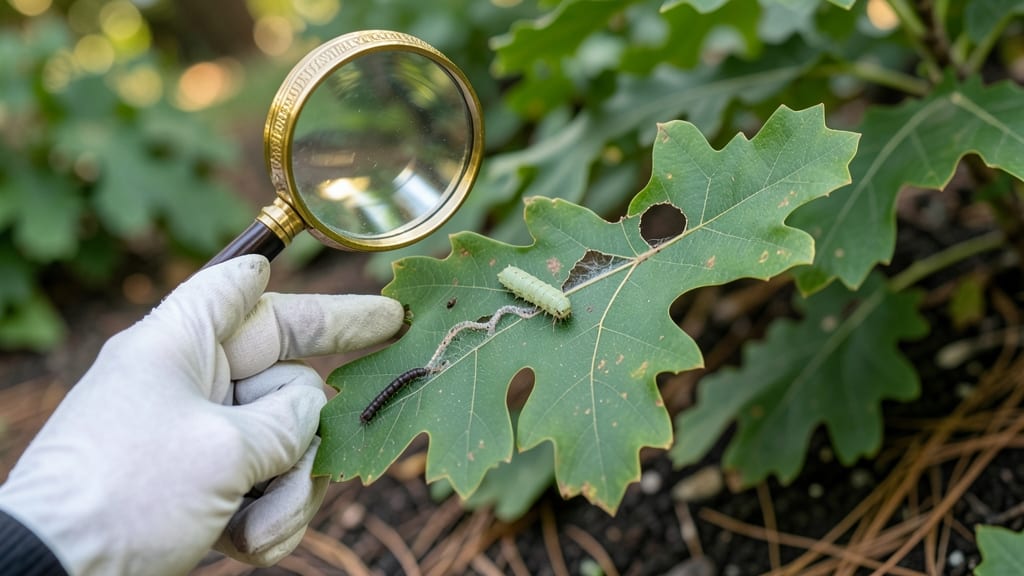
Holes in tree leaves turn your yard from lush to lacy faster than you'd think. 🌳 I've seen everything from skeletonized maples to Swiss-cheese oaks, and the culprits range from hungry caterpillars to wind storms that chew foliage like popcorn. The good news?
Most cases have simple fixes if you catch them early. The worst offenders are usually tent caterpillars, Japanese beetles, or leaf miners—but sometimes it's just hail or lawn equipment damage.
I learned the hard way that ignoring the problem lets pests multiply, so I now check my trees every two weeks during peak season (late spring to early summer).
You'll be able to identify the damage pattern in minutes, then choose the right response: neem oil spray for beetles, handpicking for caterpillars, or mulching to protect young trees from wind. The key is acting before half the leaves are gone.
Works for any tree species—oaks, maples, fruit trees—you name it. Let's get your canopy back to full, healthy glory.
Leaf Damage Explained
Understanding why your tree leaves develop holes is the first step toward effective treatment. These imperfections rarely appear by chance—they’re usually a sign of environmental stress, pest activity, or disease. Below, we break down the most common causes with clear scientific explanations and actionable insights.
Many insects feed on leaves, creating distinctive patterns of damage. Here’s how to identify the most likely suspects:
- 🌿 Chewing Insects (Caterpillars, Beetles, Sawflies) These pests take large, irregular bites out of leaves, often leaving behind frass (insect excrement) or skeletonized remains.
Look for: - Tent caterpillars (silken webs on branches) - Japanese beetles (shiny green/golden bugs, often in groups) - Sawfly larvae (hairy, caterpillar-like but without prolegs) Action: Handpick larvae, use neem oil, or apply Bt (Bacillus thuringiensis)—a natural bacteria that targets caterpillars.
- 🕷️ Piercing-Sucking Insects (Aphids, Spider Mites, Leafhoppers) These tiny pests poke holes while feeding on sap, causing stippling (tiny white/yellow dots) or yellowing between veins.
Check the: - Undersides of leaves (aphids, spider mites) - New growth (leafhoppers leave speckled damage) Action: Blast off mites with water spray, introduce ladybugs (natural predators), or use insecticidal soap.
- 🐝 Leafcutter Bees & Wasps These beneficial insects cut precise semi-circular notches to line their nests. Unlike pests, they don’t harm the tree long-term. Action: Ignore them—they’re pollinators!
Leaves can develop holes from physical damage or extreme conditions, mimicking pest activity:
- 💨 Wind & Hail High winds or storms tear leaves, creating jagged, uneven edges with no frass or webbing. Action: Prune weak branches to reduce wind exposure and mulch to stabilize roots.
- 🔥 Heat & Drought Stress Intense sun or dry soil can cause brown, crispy holes (often near leaf edges). Check for:
- Wilting leaves (even when watered)
- Soil pulling away from roots (drought indicator) Action: Deep water 1–2 times per week and mulch heavily to retain moisture.
- 🧊 Frost & Freeze Damage Cold snaps cause irregular brown patches or blackened edges. Young leaves are most vulnerable. Action: Cover tender trees with frost cloth in late fall/winter and avoid late-season fertilizing (which encourages new growth).
Some pathogens decay leaf tissue, leaving behind holes or spots. Unlike pests, these often spread via water or wind:
- 🍄 Anthracnose Fungus Causes shot holes (small, dead patches with a hole in the center) and target spots (dark rings). Thrives in wet, humid conditions. Action: Remove infected leaves, improve air circulation, and apply copper fungicide in spring.
- 🟡 Bacterial Leaf Spot Produces water-soaked holes that turn yellow/brown with a ragged edge. Common in rainy seasons. Action: Prune for airflow, sterilize tools, and use copper-based bactericides.
- 🍂 Leaf Miner Damage (Not Always a Pest!) Some fungi or bacteria create blister-like tunnels (like leaf miners), but unlike insects, there’s no frass inside. Action: Rake and destroy fallen leaves to prevent spread.
Sometimes, human activity is the real villain:
- 💦 Overwatering or Poor Drainage Leads to root rot, which weakens leaves, making them susceptible to secondary pests/diseases. Action: Test soil moisture and ensure well-draining soil (add compost or sand if needed).
- 🧴 Herbicide or Pesticide Drift Chemical burns create bleached or necrotic holes (often with yellow halos). Action: Stop applications and flush soil with water to dilute residue.
- 🐾 Pet or Wildlife Damage Curious animals (deer, rabbits, squirrels) gnaw leaves, leaving clean, uneven bites. Action: Use physical barriers (fencing, netting) or repellents (like hot pepper spray).
💡 Pro Tip: If holes appear overnight or in specific patterns, snap a photo and check the leaf underside for eggs, webbing, or tiny insects. Early ID = easier fixes!
Fixing Leaf Damage Fast
Now that you’ve identified the culprit behind those pesky holes in your tree leaves, it’s time to take action! The right approach depends on the cause—whether it’s hungry pests, fungal invaders, or mechanical damage.
Below, we’ll break down practical, step-by-step solutions for each common issue, plus prevention tips to keep your trees thriving. Let’s get your foliage back to full, healthy glory! 🌿✨
If insects like caterpillars, beetles, or mites are the culprits, manual removal and targeted treatments work best.
🔥 Handpick & Remove Large Pests
For caterpillars, sawfly larvae, or beetles, early intervention is key.
- 👨🍳 Step 1: Inspect leaves daily (especially in the morning or evening when pests are sluggish).
- 🔪 Step 2: Use gloves and a bucket of soapy water to pluck off pests.
Drop them into the water to drown them (no need for harsh chemicals!). - ⏰ Step 3: Repeat every 2–3 days until no more pests are visible.
🌡️ Natural Sprays for Stubborn Infestations
If pests persist, try organic or low-toxicity sprays:
- 💡 Neem Oil Spray (1 tsp neem oil + 1 tsp mild soap + 1 quart water) – Disrupts pest life cycles and deters future attacks.
- 🎯 Horticultural Oil – Smothers soft-bodied insects like mites.
Apply in the early morning or late evening to avoid harming bees. - 🌿 Diatomaceous Earth (DE) – Sprinkle food-grade DE around the base of the tree (reapply after rain). It dehydrates pests but is safe for plants and pets.
✨ Long-Term Prevention
- 🌱 Plant Resistant Varieties: Choose tree species less appealing to pests (e.g., dwarf lilac instead of rose bushes for Japanese beetles).
- 🕊️ Encourage Beneficial Insects: Ladybugs, lacewings, and parasitic wasps eat garden pests.
Attract them with native flowers (like dill, fennel, or marigolds). - 🌿 Prune Regularly: Remove chewed or heavily damaged leaves to reduce pest hiding spots.
If leaf spots, mold, or mildew are causing holes (or weakening leaves to attract pests), sanitation and fungicides are your best tools.
🧹 Clean Up Debris Immediately
- 🔥 Step 1: Rake and remove all fallen leaves, fruit, and branches from under the tree.
- 🍳 Step 2: Disinfect pruners with rubbing alcohol (70% or higher) between cuts to prevent spreading spores.
- 🥘 Step 3: Bag and compost (or trash) infected leaves away from your garden to stop reinfection.
💡 Apply Fungicidal Treatments
For powdery mildew, anthracnose, or leaf spot:
- 🌿 Copper Fungicide – Safe for organic gardens; spray every 7–10 days during wet seasons.
- 🎯 Baking Soda Spray (1 tbsp baking soda + 1 tsp oil + 1 gallon water) – Helps prevent fungal growth on leaves.
- 🌡️ Systemic Fungicides (like Myclobutanil) – Use for severe cases; follow label instructions carefully.
✨ Boost Tree Health to Fight Off Fungi
- 💪 Water at the Base: Avoid wetting leaves (especially in the evening) to reduce humidity.
- 🌱 Mulch Properly: Apply 2–3 inches of organic mulch (like wood chips) to improve drainage and root health.
- 🍎 Fertilize Smartly: Use a balanced, slow-release fertilizer in early spring to strengthen the tree’s immune system.
If wind, hail, or animals are tearing leaves, physical barriers and pruning can help.
🛡️ Shield Young or Delicate Trees
- 🔥 Step 1: Install tree wraps or burlap screens around young trees in storm-prone areas.
- 🍳 Step 2: Use cage-like structures (like tree guards) for small trees to prevent deer or rabbit damage.
- 🥘 Step 3: Prune weak branches before storms to reduce wind resistance.
💡 Repair & Revitalize Damaged Foliage
- 🌿 Trim Severely Damaged Leaves: If >50% of the leaf is gone, prune it to encourage new growth.
- 🎯 Apply Foliar Feed: Use a seaweed or fish emulsion spray to help the tree recover faster.
- ✨ Monitor for Secondary Pests: Holes from hail or animals can invite insects—check regularly for new signs of trouble.
If the damage is widespread, the tree is young, or you’re unsure of the cause, don’t hesitate to consult an arborist.
They can: ✅ Diagnose hidden pests or diseases you might miss. ✅ Recommend tree-specific treatments (some sprays can harm certain species). ✅ Advise on long-term care for rare or high-value trees.
Final Pro Tip: 💡 Act fast! The sooner you treat the issue, the easier it is to reverse damage and prevent spread. Keep an eye on your trees, and they’ll reward you with lush, hole-free foliage all season long! 🌳🌟
Frequently asked questions
Why do some holes in leaves look like tiny Swiss cheese while others are jagged?
Tiny "Swiss cheese" holes usually mean leaf miners or fungal infections like anthracnose, while jagged edges suggest physical damage from wind, hail, or chewing pests like Japanese beetles. Check for frass (insect poop) or webbing to confirm the cause.
Can I save a tree if most of its leaves have holes?
Yes, but act fast! If less than 50% of leaves are damaged, your tree can recover. Prune severely affected foliage, treat the root cause (pests/disease), and fertilize to boost growth. For over 50% damage, consult an arborist to assess long-term health.
How do I tell if holes are from pests vs. disease vs. weather?
Pests leave frass (poop), webbing, or chewed edges. Disease creates spots with holes (like anthracnose) or water-soaked patches. Weather damage has jagged, clean edges with no debris. Flip leaves to spot eggs or tiny insects.
Will my tree grow back healthy leaves after treatment?
Most trees regrow leaves within 4–8 weeks if the root system is healthy. Young trees or severe cases may take longer. Focus on removing damaged leaves, treating the cause, and watering deeply to support new growth.
Are there any trees that rarely get holes in their leaves?
Some resilient varieties include crepe myrtle, ginkgo, and serviceberry. These species have natural pest resistance, but no tree is 100% immune—proper care (like pruning and soil health) helps prevent damage.