
Pruning
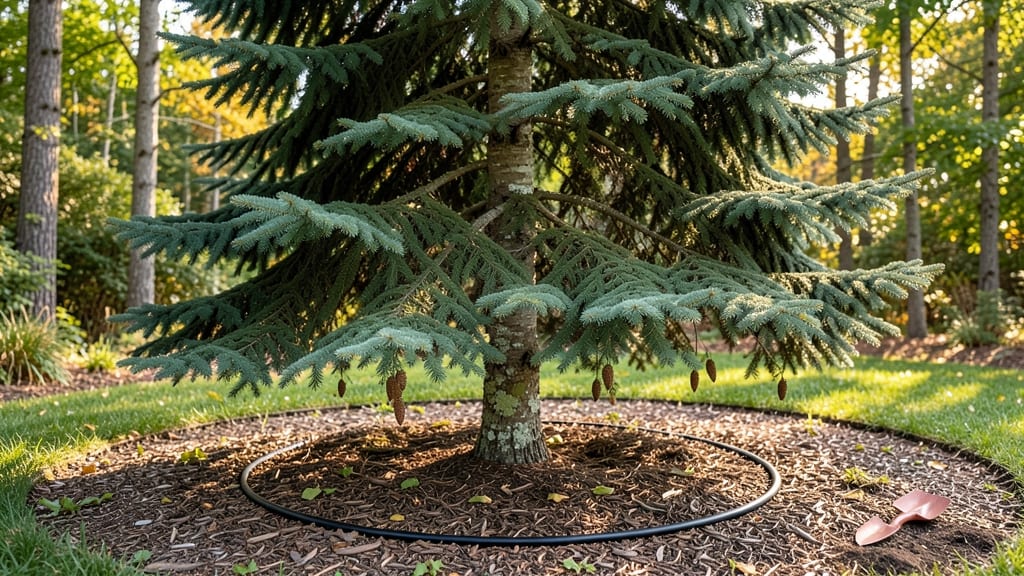
Hemlock tree care starts with precision pruning—not just cutting randomly, but shaping it to thrive for decades. 🌲 I’ve learned the hard way that aggressive trimming can stress these shade-loving giants, while strategic cuts encourage dense, disease-resistant growth. The key? Timing, tools, and knowing where to stop before you start. Hemlocks prefer partial shade and moist, well-draining soil, but their care shifts with seasons. Winter’s the best time to prune (when the tree’s dormant), while summer heat and drought demand extra watering. Skip the shears in fall—it’s when fungal diseases like needle blight strike vulnerable cuts. You’ll end up with a tree that stays lush year-round, resists pests, and even improves air quality. The secret is selective pruning: remove only dead, crossing, or inward-growing branches—never more than 25% of the canopy at once. Think of it as a haircut for your tree’s health, not its looks. Works for both young saplings and mature trees in landscapes, parks, or even urban settings. Here’s how to do it right—without turning your hemlock into a sad, over-pruned shadow of itself.
📚 In This Guide
- What you need
- Instructions
- Tips and common mistakes
- Wrapping up and next steps
What you need
- ● Pruning shears: Bypass pruners (for small branches, 5–7" blades) – 1 pair.
- ● Loppers: Bypass or anvil (for branches ½"–2" thick) – 1 pair.
- ● Pruning saw: Curved or folding (for branches 2"–4" thick) – 1 saw.
- ● Extension pole: Adjustable (for high branches, 6–12 ft) – 1 pole.
- ● Gloves: Heavy-duty, cut-resistant – 1 pair.
- ● Safety glasses: ANSI-rated – 1 pair.
- ● Ladder: Sturdy, non-slip (if needed, 10–20 ft) – 1 ladder.
- ● Disinfectant: 70% isopropyl alcohol (to sterilize tools) – small bottle.
- ○ Tree wound dressing: Optional (for large cuts, like Tanglefoot) – 1 tube.
- ● Weather check: Calm, dry conditions (avoid pruning during rain or wind).
- ● Tree health assessment: Inspect for pests/disease (e.g., woolly adelgid) before trimming.
- ○ Optional: Tree growth regulator (e.g., Prohibit) for adelgid prevention – 1 sprayer.
- ○ Optional: Mulch (2–4" layer of wood chips) to retain moisture – 1–2 bags.
Instructions for hemlock tree care: precision trimming through the seasons
Hemlocks reward careful attention with lush, disease-resistant growth. Here’s how to maintain their health year-round with targeted pruning and seasonal adjustments.
✂️ Step 1: Assess and Plan Your First Trim in Late Winter
Wait until late February or early March when the tree is still dormant but before buds begin to swell. This timing prevents stressing new growth and minimizes disease risk. Start by inspecting the canopy for dead, diseased, or crossing branches—these are your priorities. Use a pruning saw for branches thicker than ½ inch, and bypass pruners for smaller stems.
Look for branches growing inward or rubbing against others—these create wounds that invite pests. Remove no more than 25% of the crown in a single session to avoid shocking the tree. Mark your cuts with a pencil or flagging tape before climbing to ensure clean, precise removals. Hemlocks are sensitive to over-pruning, so patience here pays off in dense, healthy foliage.
☀️ Step 2: Thin the Canopy for Light Penetration in Early Spring
Once buds break in April or May, focus on selective thinning to improve air circulation and sunlight exposure. Target branches that block light from reaching the lower canopy—this encourages even growth and reduces fungal risks. Aim to remove 10-15% of the total foliage this season, spacing cuts 6-12 inches from the main trunk or lateral branch collar.
Step back frequently to visualize the tree’s shape. Hemlocks naturally grow in a conical form, so avoid heavy topping—this triggers weak, unsightly regrowth. Use sharp tools to make clean cuts at a 45-degree angle just outside the branch collar. Disinfect pruners between cuts with rubbing alcohol to prevent spreading sap-borne diseases.
🌿 Step 3: Maintain Health Through Summer with Light Pruning
Mid-summer is for corrective pruning only—no major structural work. Watch for brown tips or sparse foliage, which may signal overwatering, pests, or nutrient deficiencies. Remove only small, damaged branches (under ¼ inch thick) to avoid stressing the tree during peak growth. Water deeply once weekly if rainfall is scarce, keeping soil 2-3 inches moist but never soggy.
Hemlocks are shade-tolerant but still benefit from filtered sunlight. If nearby trees or structures cast heavy shade, consider fertilizing lightly with a balanced, slow-release formula (10-10-10) in June. Apply it 6 inches from the drip line, watering thoroughly afterward. Avoid granular fertilizers—they can burn roots in dry conditions.
🪴 Step 4: Prepare for Winter with Structural Pruning in Fall
Schedule your final trim in October or November, after leaves have fallen but before hard frosts. Focus on structural integrity: remove weak, storm-damaged, or structurally unsound branches first. Hemlocks are prone to snow and ice damage, so reinforce the canopy by reducing weight-bearing branches near the top. Use a pole saw for high branches, working from a stable ladder with a helper.
Seal larger wounds (over ½ inch wide) with pruning sealant to prevent decay. Smaller cuts (under ¼ inch) don’t need sealing—they’ll heal naturally. Rake up and dispose of pruned debris immediately to reduce pest habitats. Mulch the base with 2-3 inches of organic mulch, keeping it 6 inches away from the trunk to prevent rot.
⏰ Step 5: Monitor and Adjust Year-Round for Long-Term Health
Check your hemlock monthly for signs of woolly adelgid (a common pest) or needle cast diseases. Treat infestations early with horticultural oil in early spring before eggs hatch. Water deeply every 10-14 days during droughts, aiming for 1-1.5 inches of moisture per week. Hemlocks in containers need weekly watering and may require winter protection (burlap wrap) in freezing climates.
Every 3-5 years, reassess the tree’s structure. Mature hemlocks benefit from crown lifting—raising the lower branches to improve light and airflow. If the tree shows yellowing needles or stunted growth, test soil pH (ideal range: 5.0-6.5) and amend with sulfur if too alkaline. With consistent care, your hemlock will thrive for decades, providing year-round interest and shade.
Tips & tricks for perfect hemlock tree care
Mastering hemlock maintenance means knowing the little details that make all the difference. These insights will help you avoid common mistakes and keep your tree thriving for decades.
Seasonal Timing Matters: The late winter trim in late February or early March is critical—it's the only time you can safely remove up to 25% of the crown without stressing the tree. I learned this the hard way after over-pruning in early spring and watching new growth suffer. Always check for bud swelling first; if you see buds forming, wait a few more weeks. The goal is to work with the tree's natural dormancy cycle, not against it.
Tool Precision Prevents Damage: Hemlocks have delicate branch collars, so using the right tool makes all the difference. For branches over ½ inch thick, a pruning saw is essential—it prevents tearing that invites disease. I recommend sharpening your tools before each season; dull blades create jagged cuts that heal poorly. And here's what nobody tells you—always make your cuts just outside the branch collar at a 45-degree angle. This small detail ensures the wound seals properly and reduces the risk of rot.
Visual Cues for Proper Pruning: When thinning in April or May, step back every few minutes to assess your work. The ideal hemlock shape should maintain its natural conical form without any flat spots or heavy tops. Look for branches that create "V" shapes when viewed from below—these are candidates for removal as they create weak points. I mark potential cuts with flagging tape first, then verify from multiple angles before making any cuts. This prevents over-pruning and maintains the tree's structural integrity.
Pest Prevention Starts with Cleanliness: After your fall pruning in October or November, immediately dispose of all pruned debris. I've seen hemlocks become infested with woolly adelgid simply because pruned branches were left on the ground nearby. For larger wounds over ½ inch wide, apply pruning sealant to prevent decay. And don't forget to disinfect your tools between cuts with rubbing alcohol—this simple step can save your tree from sap-borne diseases that spread easily through contaminated tools.
Pro Tips for Hemlock Tree Care
- Mastering hemlock maintenance means knowing the little details that make all the difference. These insights will help...
- Seasonal Timing Matters: The late winter trim in late February or early March is critical—it's the only time you can ...
- Tool Precision Prevents Damage: Hemlocks have delicate branch collars, so using the right tool makes all the differen...
Frequently asked questions
Got questions about keeping your hemlock tree thriving?
Here are answers to the most common concerns—from pruning to pests—so you can care for your evergreen with confidence.
When is the best time to trim a hemlock tree?
Late winter or early spring (February–April) is ideal for pruning hemlock trees—when the tree is dormant but before new growth begins. Avoid heavy pruning in late summer or fall, as it can stress the tree and leave it vulnerable to pests or disease. Pro tip: Light shaping in summer is fine, but never remove more than 25% of the foliage at once!
How do I know if my hemlock tree is over-pruned?
Watch for these red flags: brown, sparse foliage (especially on branch tips), excessive deadwood, or stunted new growth. Over-pruned hemlocks may also develop long, leggy branches or look "bald" at the top. If you see these signs, scale back and focus on restorative pruning in the next dormant season.
What pests or diseases should I watch for in hemlock trees?
Hemlocks are prone to woolly adelgids (tiny sap-sucking insects) and hemlock woolly crown gall. Look for white cottony clusters on branches or yellowing needles. Early treatment with horticultural oil or neem oil can help. For severe infestations, consult a certified arborist—these pests spread quickly!
How long does it take for a hemlock tree to recover from pruning?
Recovery time varies, but healthy hemlocks typically bounce back within 1–2 growing seasons if pruned correctly. Focus on watering deeply (1–2 inches per week) and avoiding fertilizers for 3–6 months post-prune. Patience is key! Avoid heavy pruning again until you see fresh, dark green growth at the branch tips.
Can I replace a hemlock tree with something easier to maintain?
If hemlocks seem high-maintenance, consider disease-resistant alternatives like eastern white pine, arborvitae, or thuja (cedar). These evergreens require similar light and soil but are often less prone to pests. For a low-maintenance look, opt for columnar varieties (e.g., Thuja occidentalis 'Sunkist') that need minimal pruning.
Wrapping up and next steps
Caring for your hemlock tree is a rewarding journey that ensures its beauty and health for years to come! 🌿 By mastering precision trimming, proper watering, and seasonal maintenance, you’ll protect your tree from pests, diseases, and structural risks.
Start small—even a single trim can make a difference—and soon, your hemlock will thrive as the stunning centerpiece of your landscape.
Ready to take action? Grab your tools and schedule your next trimming session—your tree’s future starts today! 🌟