
Pruning
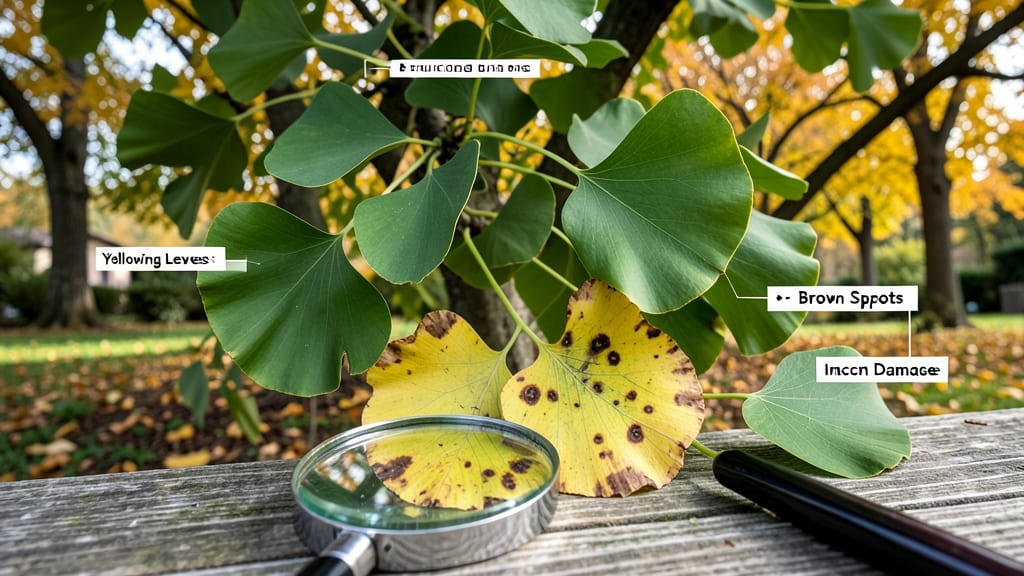
Your ginkgo tree’s leaf problems might signal trouble—or just a seasonal quirk. 🌿 I’ve seen everything from mild stress to full-blown pest invasions, and knowing the difference saves trees (and headaches).
The key is spotting the pattern: is it scattered spots, whole branches, or just the older leaves? Each tells a different story.
Most problems start with environmental stress—too much sun, poor drainage, or sudden temperature swings—but pests like ginkgo psyllids or diseases like anthracnose can turn leaves into crispy messes fast. The good news?
Early action fixes 90% of issues before they spread. I’ll walk you through what to look for and how to treat it, so your tree stays lush and strong.
By the end, you’ll know whether to prune, spray, or just wait it out. The solutions are simpler than you’d think—no arborist needed for the basics.
Think of this as your ginkgo tree’s first-aid kit: quick fixes for common ailments and long-term care to keep those iconic fan-shaped leaves vibrant year after year.
We’ll also cover when to call in a pro (hint: if the whole canopy looks sick) and how to prevent future problems. Your tree’s health starts with understanding these clues—let’s get those leaves back to their signature golden-green glory.
Root Causes Behind Leaf Issues
Ginkgo trees (Ginkgo biloba) are resilient, ancient survivors—but even they aren’t immune to stress. When their leaves turn yellow, brown, or drop prematurely, it’s almost always a sign of an underlying issue. Understanding why these problems occur is the first step to restoring your tree’s health.
Below, we break down the most common culprits, from environmental factors to hidden pests, with clear explanations of how they damage leaves.
Ginkgos thrive in adaptable conditions, but extreme or sudden changes can shock their systems. Environmental stress often manifests as discolored or wilting leaves, and it’s usually reversible with adjustments.
💧 Water-Related Imbalances
Ginkgo trees hate soggy roots and drought—both can trigger leaf problems.
- Overwatering: Ginkgos prefer well-draining soil. When roots sit in waterlogged conditions, they suffocate, starving the tree of oxygen. This leads to chlorosis (yellowing between veins) and leaf drop. Why? Anaerobic soil bacteria produce toxins that disrupt nutrient uptake, especially iron and zinc.
- Underwatering: While drought-tolerant, prolonged dry spells cause leaves to curl, yellow, and crisp at the edges. Why? The tree prioritizes root survival over leaf function, shedding foliage to conserve moisture.
- Pro Tip: 💡 Test soil moisture by sticking your finger 2–3 inches deep. Water only when the topsoil feels dry—but avoid shallow, frequent watering. Deep watering 1–2x per week (depending on climate) mimics natural rainfall patterns.
☀️ Temperature and Sunburn
Ginkgos love sunlight but can suffer from too much or too little of it.
- Heat Stress: Intense afternoon sun (especially in hot climates) can scorch leaves, causing brown, papery patches on leaf edges. Why? High temperatures increase transpiration rates faster than roots can replenish water, leading to cellular dehydration.
- Cold Damage: Young ginkgo leaves are sensitive to late frosts (<32°F). New growth may turn black or mushy if damaged. Why? Ice crystals rupture cell walls, and the tree’s vascular system can’t recover quickly.
- Solution: 🌡️ If planting in hot zones, provide afternoon shade for young trees. In cold regions, avoid pruning in late fall—wait until late winter to prevent frost damage to fresh cuts.
Ginkgos are forgiving, but poor soil health can starve them of essential nutrients, leading to yellowing or stunted growth. Unlike many trees, they’re particularly sensitive to soil pH imbalances.
📊 pH Imbalances and Micronutrient Lockout
Ginkgos prefer slightly acidic to neutral soil (pH 6.0–7.5). Outside this range, critical nutrients become unavailable.
- Alkaline Soil (pH >7.5): Causes iron chlorosis (yellow leaves with green veins). Why? High pH reduces iron solubility, so roots can’t absorb it—even if the soil has plenty. Iron is vital for chlorophyll production.
- Acidic Soil (pH <6.0): May lead to magnesium or manganese deficiencies, causing yellowing between veins or on older leaves. Why? Excess aluminum or hydrogen ions block nutrient uptake.
- Actionable Fix: 🔥 Test your soil with a home pH kit or lab test. For alkaline soil, amend with elemental sulfur or peat moss. For acidic soil, add lime (calcium carbonate). Re-test in 3–6 months.
⚠️ Compacted or Poor-Draining Soil
Ginkgos hate competition for resources. Compacted soil restricts root growth, while poor drainage leads to root rot.
- Symptoms: Slow growth, yellowing leaves, and roots growing horizontally (instead of downward). Why? Roots suffocate, reducing water and nutrient absorption.
- Solution: ✨ Loosen soil around the root zone with a broadfork or aeration tool. Mix in compost or organic matter to improve structure. If planting, avoid heavy clay—amend with sand or coconut coir for drainage.
While ginkgos are pest-resistant, they’re not invincible. Certain insects and pathogens target their leaves, causing discoloration, spots, or premature drop.
🐛 Insect Infestations
Pests rarely kill ginkgos but can weaken them, making them susceptible to other issues.
- Ginkgo Psyllids: Tiny, jumping insects that suck sap from leaves, causing yellowing, curling, or stunted growth. Why? Their saliva contains toxins that disrupt photosynthesis.
- Japanese Beetles: Adults chew notches along leaf edges, while larvae (grubs) damage roots. Why? Physical damage reduces leaf surface area, limiting the tree’s ability to feed.
- Treatment: 🎯 For psyllids, spray with neem oil or insecticidal soap in early spring. For beetles, handpick adults or use milky spore bacteria for long-term grub control.
🍄 Fungal and Bacterial Infections
Damp conditions invite pathogens that thrive on stressed ginkgo leaves.
- Anthracnose: Causes dark brown spots with yellow halos on leaves. Why? The fungus Gloeosporium spreads in wet, humid weather, clogging leaf stomata and blocking gas exchange.
- Bacterial Leaf Spot: Produces water-soaked, translucent spots that turn brown. Why? Bacteria like Xanthomonas enter through wounds or rain splatter, multiplying in moist conditions.
- Prevention: 🌡️ Improve airflow with pruning dense branches. Apply copper fungicide in spring if your area has a history of these issues. Remove and destroy infected leaves to prevent spread.
Next up: How to diagnose these issues in your ginkgo—and the step-by-step fixes to bring its leaves back to vibrant green. 🌿
Quick Fixes for Ginkgo Tree Leaf Issues
Reviving your ginkgo tree’s lush green leaves starts with identifying the root cause—and then acting fast. Below, we break down practical, step-by-step solutions for the most common ginkgo leaf problems, from fungal infections to nutrient deficiencies.
Each fix is designed to be easy to implement, even for beginner gardeners. Plus, we’ll share prevention tips to keep your tree thriving long-term.
Symptoms: White powdery patches, orange rust spots, or dark brown/black lesions on leaves.
🔥 Step 1: Prune Infected Leaves Immediately
Remove and dispose of (not compost) any severely affected leaves to prevent spread. Use sterilized pruners (wipe with rubbing alcohol between cuts) to avoid cross-contamination.
🍳 Step 2: Apply Fungicide
- Organic option: Mix 1 tbsp baking soda + 1 tsp dish soap + 1 gallon water in a spray bottle.
Apply to both sides of leaves in the early morning or evening (avoid direct sunlight). - Chemical option: Use a copper-based fungicide (like Bordeaux mixture) or neem oil spray (1 tsp neem oil + 1 quart water + a drop of soap as an emulsifier).
Reapply every 7–10 days until new growth appears.
👨🍳 Step 3: Improve Air Circulation
Fungal spores thrive in humid, stagnant air. Thin out dense foliage and prune branches to allow sunlight and airflow to reach the center of the tree.
🌡️ Prevention Tips
✅ Water at the base (avoid overhead sprinkling) to keep leaves dry. ✅ Space ginkgo trees at least 15–20 feet apart to reduce humidity buildup. ✅ Clean up fallen leaves regularly—fungi overwinter in debris.
Symptoms: Uniform yellowing (chlorosis), stunted growth, or leaves that feel soft/brittle.
💡 Step 1: Test Your Soil
Grab a soil test kit (available at garden centers) to check for deficiencies in iron, manganese, zinc, or nitrogen. Ginkgo trees prefer slightly acidic to neutral soil (pH 6.0–7.5).
📊 Step 2: Fertilize Correctly
- For iron deficiency (yellowing between veins): Apply chelated iron (like Ironite) or Epsom salt (1 tbsp per gallon of water, sprayed on leaves).
- For nitrogen deficiency (pale green/yellow leaves): Use a balanced fertilizer (10-10-10 or 20-20-20) in early spring before new growth starts.
- For zinc/manganese deficiency (small, distorted leaves): Sprinkle zinc sulfate or manganese sulfate around the base and water deeply.
🥗 Step 3: Mulch Properly
Spread 2–3 inches of organic mulch (wood chips, pine straw) around the tree’s drip line (the edge of its canopy). Keep mulch 6 inches away from the trunk to prevent rot.
✨ Prevention Tips
🔹 Fertilize in early spring—avoid late-season feeding, which encourages tender new growth vulnerable to frost. 🔹 Avoid over-fertilizing—ginkgo trees are low-maintenance; too much nitrogen can burn roots. 🔹 Water deeply but infrequently—1–2 inches per week (adjust for drought).
Symptoms: Yellowing leaves, mushy stems, or leaves that curl and drop even when soil is wet.
🔪 Step 1: Check the Roots
Gently dig near the base to inspect for black, mushy roots (sign of rot). If roots are healthy but soil is soggy, you’re overwatering.
⏰ Step 2: Adjust Watering Habits
- Let the top 2–3 inches of soil dry out between waterings.
- Water deeply but less frequently—ginkgo trees are drought-tolerant once established.
- Improve drainage by amending soil with compost or perlite if your area stays waterlogged.
🌡️ Step 3: Treat Root Rot (If Present)
- Prune back affected roots with sterilized shears.
- Repot or transplant (if in a container) to well-draining soil.
- Apply a fungicide (like mycorrhizal fungi or hydrogen peroxide spray—3% solution—to kill pathogens).
🎯 Prevention Tips
🔹 Plant in raised beds or on slopes if your yard retains water. 🔹 Avoid planting in low-lying areas where water pools. 🔹 Use a moisture meter to track soil dryness—ginkgo trees hate "wet feet."
Symptoms: Tiny webs, sticky residue (honeydew), or skeletonized leaves (chewed edges).
🍳 Step 1: Blast Off Pests
- Spider mites: Spray leaves with a strong stream of water to knock them off, then apply neem oil or insecticidal soap.
- Scale insects: Scrape off clusters with a soft brush or rubbing alcohol-soaked cotton ball.
- Japanese beetles: Handpick adults into soapy water or use milky spore powder (organic) for long-term control.
👨🍳 Step 2: Introduce Beneficial Insects
Ladybugs, lacewings, and parasitic wasps eat ginkgo pests naturally. Buy them online or attract them with native plants like dill or yarrow.
🌡️ Prevention Tips
🔹 Install fine mesh netting over young trees to block beetles. 🔹 Prune and remove heavily infested branches before pests spread. 🔹 Encourage birds—they love munching on Japanese beetle grubs!
Before reaching for chemicals, check these first: ✔ Watering schedule (too much or too little?) ✔ Sunlight exposure (is it in shade now when it wasn’t before?) ✔ Soil pH (test it—ginkgo trees hate alkaline soil!)
Most ginkgo leaf problems resolve within 4–6 weeks with consistent care. If issues persist, consult a local arborist—they can diagnose hidden issues like bacterial infections or soil compaction. 🌿
Frequently asked questions
Why are my ginkgo tree leaves turning yellow in patches?
Patchy yellowing often signals nutrient deficiencies or fungal infections. Check for iron chlorosis (yellowing between veins) or anthracnose (dark spots with yellow halos). Test your soil pH—ginkgos prefer 6.0–7.5. If it's too alkaline, amend with sulfur or compost. For fungal issues, prune infected leaves and apply neem oil or copper fungicide.
Can overwatering cause ginkgo tree leaf problems?
Ginkgos hate soggy roots, which leads to root rot and yellowing leaves. Let the top 2–3 inches of soil dry between waterings. If your tree is in heavy clay, improve drainage by mixing in compost or perlite. Overwatering also makes trees more susceptible to fungal diseases like anthracnose.
How do I tell if my ginkgo tree has ginkgo psyllids?
Look for tiny jumping insects (1/16 inch) on new leaves and yellowing, curled foliage. Psyllids suck sap, causing stunted growth. Treat early with neem oil or insecticidal soap in spring. For severe infestations, prune affected branches and dispose of them. Beneficial insects like ladybugs can also help control them naturally.
Are ginkgo tree leaves supposed to turn brown in fall?
No—healthy ginkgo leaves stay green well into autumn. Brown leaves in fall usually mean drought stress, sunburn, or pest damage. If it's early fall, check for Japanese beetles (notched leaf edges) or heat stress (brown, crispy patches). Water deeply if soil is dry, and provide afternoon shade for young trees in hot climates.
When should I call an arborist for ginkgo leaf problems?
Consult a pro if you see large areas of dead leaves, oozing cankers, or severe root rot. Arborists can diagnose bacterial infections or soil compaction issues. Also call if your tree is leaning or showing structural weakness—this could indicate root damage from overwatering or pests. Early intervention saves mature trees!