
Light Requirements
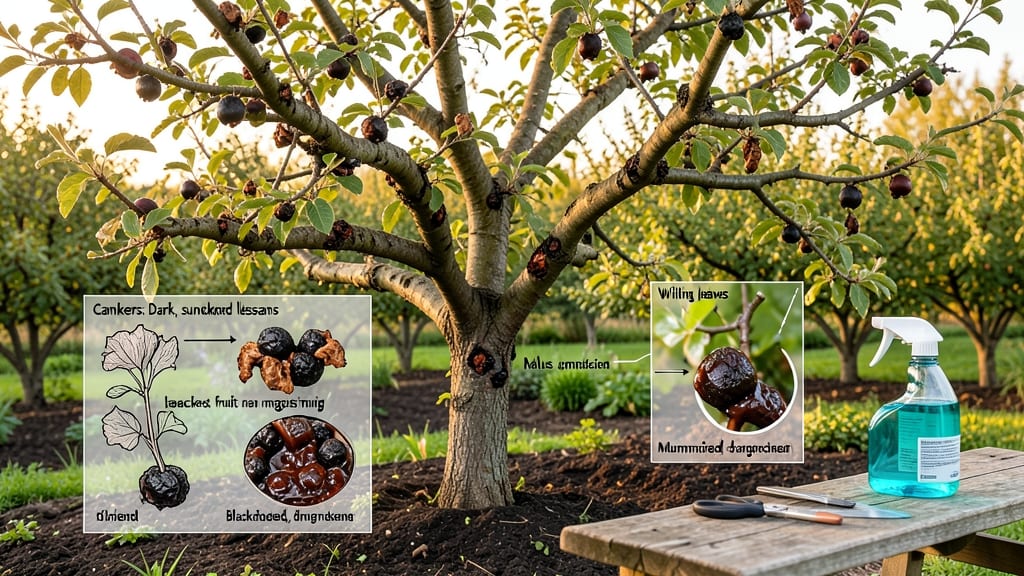
When your fruit tree’s leaves turn black and curl like burnt paper, you’re staring down blight—the silent killer of apple, pear, and peach trees. 🌳 I’ve watched entire harvests vanish overnight from fire blight’s creeping black ooze, but there’s hope: organic treatments that stop the spread and save your tree’s future.
The key? Acting fast with copper sprays, pruning cuts, and a few secret tricks most gardeners miss.
Blight thrives in wet weather, sneaking in through wounds or infected branches. That dark, glossy sheen on leaves? Bacterial fire blight. The fuzzy white spots? Powdery mildew. Both spread like wildfire—literally—if you don’t isolate infected limbs and sterilize your pruners.
My first year, I lost a young apple tree because I waited too long. Now, I prune 6 inches below the blackened spots and burn the clippings to break the cycle.
You’ll see new green growth within 2-3 weeks of proper pruning and copper treatments. The trees stay productive, the fruit stays blemish-free, and you avoid the heartbreak of another lost harvest. This isn’t just about saving a tree—it’s about reclaiming your orchard’s health without harsh chemicals.
Works for home gardens, small farms, and even container-grown fruit trees. Let’s turn that blighted branch into a lesson for next season’s thriving harvest.
Root Causes of Tree Decline
When your fruit tree starts showing signs of blight—spotted leaves, wilting branches, or premature fruit drop—it’s often a cry for help. Understanding why these issues arise is the first step to saving your tree.
Below, we break down the key culprits behind fruit tree decline, from invisible pathogens to environmental stressors, so you can take targeted action.
Fungal blights are the most common cause of fruit tree decline, thriving in warm, humid conditions. These microscopic organisms—like Venturia inaequalis (apple scab) or Monilinia fructicola (brown rot)—latch onto leaves, stems, and fruit, disrupting photosynthesis and nutrient flow.
- How it spreads: Spores hitch rides on wind, rain, or even garden tools, landing on young shoots or wounds in the bark.
- Signs to watch for:
- Dark, greasy spots on leaves (often with yellow halos).
- Cankers (sunken, dead patches) on branches.
- Mummified or rotting fruit still clinging to the tree.
- Why it’s worse in spring: Cool, wet weather (50–75°F) creates the perfect fungal buffet. Overhead watering or dense foliage traps moisture, giving spores a foothold.
💡 Pro Tip: Prune infected branches before spores spread (remove at least 6 inches below visible damage). Sterilize pruners with rubbing alcohol to prevent cross-contamination.
Fruit trees are resilient, but sudden shifts in temperature, drought, or frost can weaken their defenses, making them vulnerable to secondary infections. Think of it like a human catching pneumonia after a bad cold—stress opens the door for trouble.
| Stressor | How It Hurts Your Tree | Red Flags |
|---|---|---|
| 🌞 Late-Freeze Damage | Flowers and buds freeze before pollination, leading to poor fruit set. New growth may blacken. | Brown, mushy blossoms; stunted shoots. |
| 💧 Drought Stress | Roots struggle to absorb water, causing leaf scorch. Trees become prime targets for fungal attacks. | Crispy leaf edges; wilting even when soil seems moist. |
| 🌧️ Overwatering | Waterlogged soil cuts off oxygen to roots, inviting rot (e.g., Phytophthora) and fungal growth. | Yellowing leaves; mushrooms at the base of the trunk. |
✨ Actionable Fix: Mulch with wood chips (3–4 inches deep) to regulate soil temperature and retain moisture. Avoid wetting foliage—water at the base of the tree early in the morning.
While blight is often fungal, insects can pave the way by creating entry points. Sap-sucking pests like aphids or scale insects weaken trees by draining nutrients, while borers tunnel into bark, leaving wounds for fungi to exploit.
- Top Tree Pests & Their Damage:
- Coddling Moth: Larvae burrow into fruit, causing rot and dropping prematurely.
- Japanese Beetles: Skeletons leaves, reducing photosynthesis and stressing the tree.
- Fire Blight Bacteria (Erwinia amylovora): Spread by beetles feeding on oozing cankers.
- How to spot them:
- Sticky residue (honeydew) on leaves.
- Wilting branches with oozing, blackened tips.
- Tiny holes or sawdust-like frass (insect poop) near the trunk.
🔥 Quick Defense: Introduce beneficial nematodes (for grubs) or ladybugs (for aphids). Spray neem oil before pests appear to disrupt their life cycles.
A tree’s ability to fight blight hinges on its overall health. Nutrient deficiencies, compacted soil, or improper planting leave it malnourished and defenseless. Think of it like a person with a vitamin deficiency—every cold becomes a battle.
- Key Deficiencies & Symptoms:
- Nitrogen (N): Pale yellow leaves (start at the bottom).
- Potassium (K): Brown leaf edges or “scorch.”
- Magnesium (Mg): Interveinal yellowing (between leaf veins).
- Soil Issues to Check:
- Compacted soil (roots can’t breathe).
- High pH (>7.0) locking out nutrients like iron.
- Lack of organic matter (poor water retention).
🎯 Soil Revival Steps:
- Test your soil (kit from a garden center or lab).
- Amend with compost or worm castings (1–2 inches mixed into topsoil).
- Apply a balanced organic fertilizer (e.g., 5-5-5) in early spring.
Revive Your Trees Naturally
Fruit tree blight—whether it’s dark spots on leaves, wilting branches, or premature leaf drop—can feel like a death sentence for your orchard. But with the right approach, you can turn things around without harsh chemicals.
Below, we’ve mapped out targeted fixes for common causes, along with preventive habits to keep your trees thriving. Think of this as your organic first-aid kit for ailing fruit trees!
---
Signs: Black/brown spots, powdery mildew, or leaf curling. Fix: - 🔥 Remove infected parts immediately – Use sterilized pruners (wipe with rubbing alcohol between cuts) to trim away diseased leaves, branches, or fruit. Dispose of debris in a sealed bag—not the compost pile—to prevent reinfection. - 🌬️ Improve airflow – Thin out dense foliage and space trees properly (6–10 feet apart, depending on the variety). Good airflow = less humidity = fewer fungal spores. - 🍄 Apply organic fungicides – Mix 1 tablespoon baking soda + 1 teaspoon neem oil + 1 teaspoon dish soap in 1 gallon of water, then spray early morning or evening (avoid direct sun). Repeat every 7–10 days until new growth appears. - 🌱 Strengthen the tree – Feed with compost tea or fish emulsion (high in nitrogen) to boost immunity. Weak trees invite pests and disease.
💡 Pro Tip: Water at the base (not overhead) to keep leaves dry. Early morning watering lets foliage dry by nightfall—fungi hate dry leaves!
---
Signs: Oozing cankers, yellowing leaves, or bacterial leaf spot (tiny water-soaked marks). Fix: - 🔪 Cut out infected areas – Sterilize tools between cuts, and burn or bury (not compost) severely affected branches. Bacterial blight spreads fast! - 👨🍳 Copper fungicide spray – Use copper sulfate (1 tsp per gallon of water) or copper hydroxide. Spray every 10–14 days during wet seasons. (Note: Avoid copper if your soil is already copper-rich—test first!) - 🚫 Avoid overhead watering – Use drip irrigation or soaker hoses to prevent splashing bacteria onto leaves. - 🌿 Mulch properly – Use straw or wood chips (not fresh grass clippings) to keep soil moist but prevent splashing.
✨ Bonus: Plant garlic or chives nearby—their natural antibacterial properties can help deter bacterial spread.
---
Signs: Chewed leaves, sawdust-like frass (insect droppings), or sticky honeydew on branches. Fix: - 🕷️ Handpick or shake off pests – For aphids, mites, or caterpillars, blast them off with a strong stream of water or use a drop cloth to shake them into soapy water. - 🍎 Introduce beneficial insects – Ladybugs, lacewings, and parasitic wasps love eating tree pests. Buy them online or attract them with neem oil sprays (which also repel pests). - 🪲 Use neem oil or insecticidal soap – Mix 2 tbsp neem oil + 1 tsp dish soap in 1 quart of water, spray evenly on undersides of leaves, and repeat every 5–7 days. - 🌿 Prune for sunlight – Dense canopies trap moisture and pests. Thin branches to let light and air circulate.
🎯 Prevention Hack: Wrap tree trunks with aluminum foil (for young trees) to confuse boring insects like bark beetles.
---
Signs: Yellowing leaves (chlorosis), stunted growth, or weak branches. Fix: - 📊 Soil test first – Check pH and nutrient levels. Most fruit trees prefer slightly acidic soil (6.0–7.0). Adjust with lime (to raise pH) or sulfur (to lower pH) if needed. - 🥗 Organic fertilizers – Use compost, worm castings, or a balanced organic fertilizer (like 5-5-5) in early spring. Avoid high-nitrogen fertilizers in summer—they encourage soft growth that attracts pests. - 💧 Deep watering – Water slowly at the base (1–2 inches per week) to encourage deep root growth. Mulch with straw to retain moisture. - 🍎 Foliar sprays for quick fixes – - Iron deficiency? Spray chelated iron (diluted as directed). - Magnesium deficiency? Use Epsom salt spray (1 tbsp per gallon of water).
🌡️ Pro Tip: If your tree is newly planted, avoid heavy fertilizing the first year—focus on watering and mulching to establish roots.
---
1. 🌱 Choose resistant varieties – Some fruit trees (like disease-resistant apple varieties or figs) naturally fight blight better. Check with local nurseries! 2. 🌿 Rotate crops – If you have multiple fruit trees, avoid planting the same type in the same spot every year.
3. 🧹 Clean up annually – Remove all fallen leaves, fruit, and debris in late fall to starve overwintering pathogens. 4. 🌞 Optimize sunlight – Most fruit trees need 6–8 hours of sun daily.
Prune to open the canopy and reduce humidity. 5. 💧 Water wisely – Morning watering + drip irrigation = fewer fungal problems.
--- Final Thought: 🌟 Patience is key! Some trees recover in weeks, while others may take a season. Monitor daily, act fast at the first sign of trouble, and soon, your fruit trees will be back to bearing healthy, blight-free harvests. 🍎🍐🍑
Frequently asked questions
What’s the difference between fungal blight and bacterial blight on fruit trees?
Fungal blight (like apple scab) shows up as powdery spots or fuzzy growth on leaves and fruit, while bacterial blight (fire blight) creates black, oozing cankers that look like burnt bark. Fungi thrive in humidity, while bacteria spread through water splashes and wounds. Copper sprays stop bacteria, but fungicides target fungal spores.
Can I still harvest fruit from a blight-affected tree?
Only if the fruit shows no visible spots or rot. Remove all infected fruit immediately—even if it looks mostly healthy, spores or bacteria may have penetrated. For severe cases, prune the entire branch to prevent spread. Always wash harvested fruit thoroughly before eating.
How often should I spray copper fungicide for fire blight?
Apply copper fungicide every 10–14 days during bloom and wet seasons. Start spraying before symptoms appear for prevention. Mix 1 teaspoon copper sulfate per gallon of water and spray in the early morning to avoid leaf burn. Stop spraying 2 weeks before harvest.
Will pruning alone stop blight from spreading?
Pruning is critical but not enough by itself. Always cut 6 inches below infected areas and sterilize tools between cuts. Combine pruning with copper sprays or organic fungicides and improve airflow by thinning dense branches. Remove all pruned debris from the garden area.
Can I save a tree that’s already lost most of its leaves to blight?
Yes! Start with emergency pruning to remove dead wood, then apply compost tea or fish emulsion to boost recovery. Mulch heavily with wood chips and water deeply at the base. New growth may appear in 4–6 weeks, but monitor closely for reinfection. Young trees recover faster than mature ones.