
How To
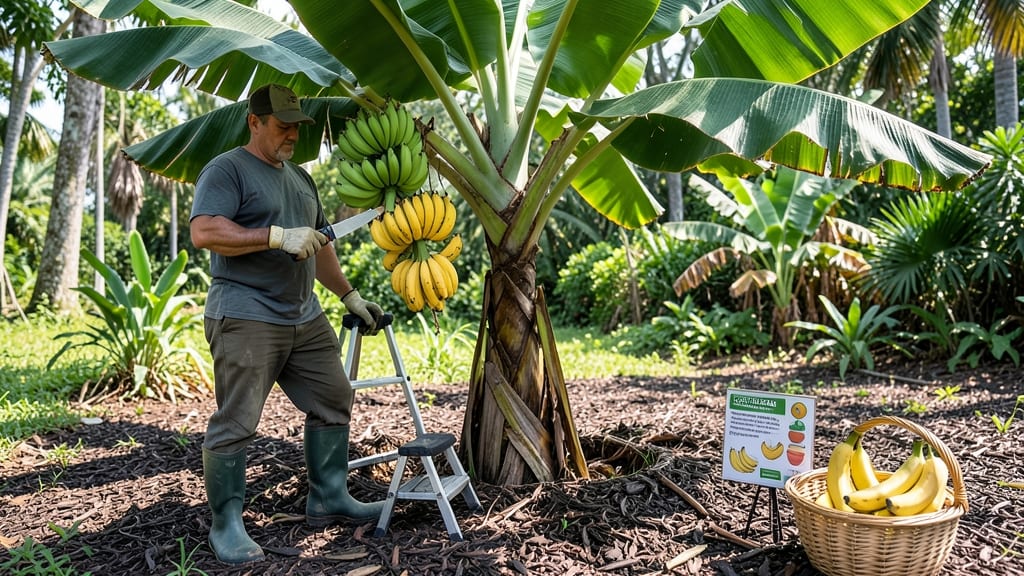
Picking Florida banana trees 🍌 at the right time means the difference between sweet, creamy fruit and a bitter, seedy disappointment—and the best window isn’t always what you’d expect.
Most gardeners assume bananas ripen on the tree, but in Florida’s heat, they’re often ready to harvest before they turn fully yellow. Miss that sweet spot, and you’ll end up with overripe mush or underripe, hard fruit that never softens.
The key? Learning the subtle cues that Florida’s humidity and pests add to the mix.
From the Dwarf Cavendish’s compact fingers to the Ice Cream Banana’s thick, starchy skin, each variety has its own signals—like a slight give when you press or a shift from green to pale yellow.
I’ll walk you through the exact visual and tactile clues, plus the best months to check your trees, so you never waste another harvest.
You’ll also discover how to handle them after picking to keep them fresh longer, because even the ripest banana can turn sour if you don’t store it right. Let’s get started.


How to identify Florida banana tree fruit ripeness stages
Picking bananas at the perfect moment ensures the best flavor and texture, but Florida’s humid climate adds unique challenges to ripeness detection. Unlike tropical origins, our subtropical conditions accelerate ripening, so you’ll need to watch for 3 key visual cues rather than relying solely on color.
The most reliable method combines fruit size, skin texture, and stem response—each signaling readiness in its own way.
Start by examining the fruit’s size—ripe bananas should reach about 6-8 inches long for standard varieties, while dwarf types like Dwarf Cavendish mature at 4-6 inches. However, size alone isn’t enough; you’ll also need to check for the gentle give when pressed lightly.
A ripe banana yields slightly to pressure but doesn’t feel mushy, a critical distinction in Florida’s heat where fruits can overripen quickly.
| Ripeness Stage | Visual Cues | Tactile Test | Florida-Specific Notes |
|---|---|---|---|
| Unripe | Bright green, firm, pea-sized | Hard, no give | Common in early spring; wait for color shift |
| Early Ripening | Green with yellow tips, hand-sized | Slightly firm but yields to pressure | Peak in late summer; check daily |
| Optimal Ripeness | Mostly yellow with few brown spots, 6-8" long | Gentle dent when pressed; stem softens | Best flavor; harvest in early morning |
| Overripe | Mostly brown, soft, wrinkled skin | Mushy, bruises easily | Common in fall humidity; discard or compost |
Florida’s high humidity can trick growers into thinking bananas are ripe when they’re not. For example, Red Dacca varieties may develop a red-purple blush before reaching optimal ripeness, while Ice Cream Bananas stay green longer due to their thicker skins.
Always pair visual checks with the stem test: gently twist the fruit’s stem—if it detaches easily, it’s ready to pick.
Timing your harvest is equally critical. In Florida, bananas typically ripen 2-4 weeks faster than in tropical climates, so monitor your tree’s progress closely. The early morning is the best time to harvest, as cooler temperatures preserve sweetness and reduce bruising during transport.
Use a sharp pruning shear to cut the fruit cluster cleanly, leaving a 1-inch stem attached to prevent spoilage.
Don’t overlook the fruit’s weight—ripe bananas feel noticeably heavier for their size due to increased sugar content. This tactile cue is especially useful for dwarf varieties, where size differences between ripe and unripe fruits are less pronounced.
Combine this with the color gradient: the base of the banana should show the most color change, while the tips remain slightly green.
If you’re growing multiple banana varieties, create a simple chart to track ripening stages by variety. For instance, Grand Nain bananas may take 120-150 days to ripen, while Bluggoe varieties mature in just 90-110 days.
Florida’s long growing season means you’ll often have overlapping ripening stages, so prioritize harvesting the earliest-ripening bunches first.
One common mistake in Florida is waiting for bananas to turn fully yellow before picking. While this works in cooler climates, our warm, humid air causes overripening, leading to softer texture and fermented flavors.
Instead, aim for 70-80% yellow coverage with minimal brown spotting. This balance ensures peak sweetness while maintaining structural integrity.
After harvesting, store bananas at room temperature for 2-3 days to allow residual starches to convert to sugars. For longer storage, move them to a cool, dry place (like a pantry) where they’ll ripen slowly over 5-7 days.
Avoid refrigerating until fully ripe, as cold temperatures break down cell walls and turn bananas mushy.
Finally, keep an eye out for pests and diseases that can mimic ripeness cues. For example, sigatoka leaf spot, common in Florida, causes premature yellowing. Always inspect leaves for dark spots or mold growth before assuming your bananas are ready.
Healthy trees produce the sweetest fruit, so prioritize regular pruning and fungicide treatments during Florida’s rainy season.
Best harvesting timeline for Florida banana trees by variety
Florida’s tropical climate lets banana trees produce fruit year-round, but each variety has its own ideal harvest window. Understanding these timelines ensures you enjoy bananas at peak sweetness and texture.
The Dwarf Cavendish, Red Dacca, and Ice Cream Banana all thrive in Florida, but their ripening schedules differ slightly due to genetic and environmental factors.
For Dwarf Cavendish—the most common backyard variety—harvest occurs in late spring to early summer (April to June). This aligns with Florida’s natural humidity peaks, which accelerate ripening.
Meanwhile, Red Dacca bananas, known for their striking red blush, ripen slightly later, typically from June to August, when temperatures remain warm but slightly cooler than peak summer.
Here’s a quick comparison of the best harvesting windows for Florida’s top banana varieties, including key seasonal adjustments for frost-sensitive regions:
In frost-sensitive regions like North Florida, adjust timelines by 1-2 weeks earlier to avoid unexpected cold snaps. For example, if a Red Dacca bunch appears ready in late August, harvest it promptly—delaying risks exposure to 30°F temperatures, which can damage unripe fruit.
Pro tip: Harvest in the morning when temperatures are coolest. This preserves sweetness and firmness, especially for Ice Cream Bananas, which bruise easily. Use a sharp knife or pruning shears to cut the fruit stalk cleanly, leaving a small stub to prevent disease.
After picking, let bananas ripen at room temperature for 2-3 days to develop full flavor. Store unripe bunches in a paper bag with an apple to speed up ethylene gas production—nature’s way of telling your bananas it’s time to sweeten up!