
Pests and Diseases
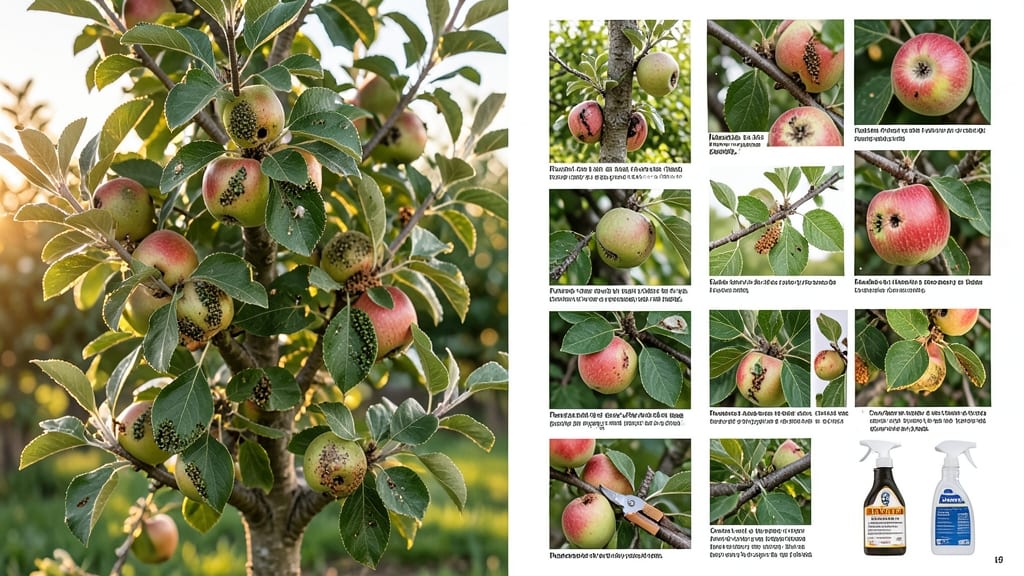
Apple tree pests and diseases can turn a thriving orchard into a sad, brown mess in just one season—unless you act fast. 🌿 I’ve seen fire blight blacken branches overnight and codling moths turn apples into wormy ruins, but the right early steps can save your harvest before it’s too late.
Most problems start with tiny signs: sticky leaves from aphids, rust-colored spots from apple scab, or sawdust-like frass near branches (that’s codling moth larvae). The key is catching them early—before they spread.
Pruning out infected branches, cleaning up fallen fruit, and choosing disease-resistant varieties like ‘Liberty’ or ‘Enterprise’ cuts risks dramatically.
Organic fixes like neem oil, copper sprays, and pheromone traps work wonders, but timing matters—apply sprays before pests arrive, not after. Chemical options exist too, but organic methods build long-term tree health without harming pollinators or your family.
This guide covers the worst offenders, their sneaky symptoms, and the foolproof fixes that actually work. No more guessing—just actionable steps to keep your apples sweet and your trees strong.
Root Causes Behind Tree Struggles
Apple trees, like any living organism, are vulnerable to pests and diseases—but why do these issues flare up in the first place? The answer lies in a mix of environmental factors, tree health, and human influence.
Understanding these root causes is the first step to prevention. Let’s break down the science behind the chaos. 🌱🔬
Apple trees thrive in specific conditions, and when those conditions shift, their natural defenses weaken, making them prime targets for pests and diseases.
- Extreme Weather:
Drought, heavy rain, or sudden temperature swings disrupt the tree’s ability to produce protective compounds like phenolics and tannins. For example, prolonged drought stresses roots, reducing nutrient uptake and making the tree more susceptible to codling moth infestations or apple scab (a fungal disease).
- Poor Air Circulation:
Tightly packed orchards or dense foliage trap moisture, creating the perfect humid environment for fungal spores (like Venturia inaequalis, the pathogen behind apple scab) to germinate and spread. Pro Tip: Prune trees to open the canopy and improve airflow—this alone can cut fungal infections by up to 40%. ✨
- Soil Imbalances:
Soil that’s too acidic (pH < 5.5) or deficient in essential nutrients (like nitrogen, potassium, or micronutrients such as boron or zinc) weakens the tree’s immune system.
For instance, boron deficiency can lead to black rot (caused by Botryosphaeria dothidea) because the tree can’t properly form healthy bark cells. Test your soil! A simple pH test can reveal if your tree is fighting an uphill battle. 🌡️
Pests don’t randomly attack healthy trees—they target stressed or already compromised ones. Here’s how they take advantage:
- Weakened Bark:
Injuries from hail, improper pruning, or mechanical damage (like lawnmower cuts) create entry points for borers (e.g., apple maggot or peach twig borer).
These pests lay eggs in cracks, and their larvae tunnel into the tree, disrupting nutrient flow. Action Step: Seal wounds with pruning paint to deter invaders. 🔥
- Overripe or Damaged Fruit:
Fruit that’s bruised, cracked, or overripe becomes a buffet for pests like codling moths and apple maggots. These insects are drawn to fermenting sugars and soft tissue, accelerating decay. Pro Tip: Harvest promptly and remove fallen fruit to break the pest cycle. 🍎🚫
- Lack of Natural Predators:
Monoculture orchards (planting only apple trees) eliminate biodiversity, which means fewer birds, ladybugs, or parasitic wasps to control pests.
For example, aphids thrive unchecked in such environments, spreading woolly apple aphid and viral diseases like apple mosaic. Solution: Plant companion flowers (e.g., alyssum or dill) to attract beneficial insects. 🌼🐞
Diseases don’t appear out of nowhere—they hitchhike on wind, water, tools, or even animals. Here’s how they gain a foothold:
| Disease | How It Spreads | Triggering Factor |
|---|---|---|
| Apple Scab | Spores splash in rain or cling to tools/animals. | Cool, wet springs (50–70°F with high humidity). |
| Powdery Mildew | Windborne spores land on leaves. | Poor air circulation + warm nights (60–80°F). |
| Fire Blight | Bacteria (Erwinia amylovora) spread via bees, rain, or pruning tools. | Spring blooms + rainy weather. |
Key Takeaway: Many diseases thrive in specific weather windows. Monitoring forecasts and acting early (e.g., applying copper fungicide before rain) can prevent outbreaks. 🌧️📅
Even well-intentioned actions can backfire. Here’s how humans accidentally invite pests and diseases:
- Over-Fertilizing:
Excess nitrogen promotes lush foliage but weakens fruit skin, making it easier for apple maggots to penetrate. Fix: Use a balanced fertilizer (e.g., 10-10-10) and focus on organic matter like compost. 🌱
- Ignoring Sanitation:
Leaving fallen leaves, mummified fruit, or old mulch in the orchard creates a reservoir for pathogens and pests. For example, apple scab spores survive winter in infected debris. Action: Rake and destroy debris in fall—do not compost diseased material. 🔥
- Improper Pruning:
Cutting too late in the season (after June) encourages fire blight bacteria to enter wounds. Rule of Thumb: Prune in dormant season (late winter) and sterilize tools with 70% alcohol or bleach between trees. ✂️🦠
Bottom Line: Most apple tree woes stem from a mix of environmental stress, pest opportunism, and human habits. The good news? Knowledge is power. By addressing these root causes—whether it’s improving soil health, adjusting pruning practices, or boosting biodiversity—you can turn the tide and keep your orchard thriving. 🚀
Quick Fixes for Common Apple Tree Troubles
Now that you know what’s attacking your apple trees, let’s roll up our sleeves and get to work! 🌳🛠️ Early intervention is key, so here’s a practical, step-by-step guide to tackling pests and diseases before they take over.
How to Fix It: Apple scab thrives in wet conditions, but you can outsmart it with a mix of preventative measures and targeted treatments.
🔥 Remove Infected Leaves & Fruit
- 🍎 Step 1: Rake up and destroy fallen leaves and mummified fruit (don’t compost them—the fungus survives!).
Burn them or toss them in a sealed trash bin. - 🌡️ Step 2: Thin out dense foliage to improve airflow, reducing humidity where scab spores love to linger.
🍳 Apply Fungicides at the Right Time
- ⏰ Timing is everything: Spray copper fungicide or organic options like neem oil (mixed with a spreader-sticker) before buds swell in early spring.
Repeat every 10–14 days during wet periods. - 💡 Pro Tip: For organic growers, baking soda spray (1 tbsp baking soda + 1 tbsp oil + 1 gallon water) can help as a preventive measure.
✨ Long-Term Prevention
- 🌱 Plant resistant varieties like ‘Liberty’ or ‘Enterprise’ if scab is a recurring issue.
- 🌧️ Improve drainage around the tree base to reduce soil moisture, which fuels fungal growth.
How to Fix It: This pest’s larvae turn your fruit into a squishy mess, but traps and timing can stop them in their tracks.
🕵️♂️ Set Up Pheromone Traps
- 🔍 Step 1: Hang codling moth traps in your orchard before adult moths emerge (usually late spring).
Check traps weekly and replace lures as needed. - 📅 Step 2: Time sprays with kaolin clay or spinosad (organic) during egg-laying periods (monitor local moth activity).
🥘 Physical Barriers Work Too
- 🧵 Step 3: Wrap tree trunks with sticky bands (like Tanglefoot) to trap crawling larvae before they burrow into fruit.
- 🍎 Step 4: Bag young fruit with paper or mesh bags to block moths from laying eggs.
💡 Pro Tip:
- 🌡️ Use a soil probe to check for larvae in fallen fruit. If you find them, remove and destroy the fruit immediately.
How to Fix It: These sap-suckers weaken trees and spread viruses, but natural predators and sprays can keep them in check.
👨🍳 Blast Them Off with Water
- 💦 Step 1: Spray trees with a strong jet of water (especially undersides of leaves) to knock off aphids. Repeat every 3–4 days during outbreaks.
🍳 Introduce Beneficial Insects
- 🐞 Step 2: Release ladybugs, lacewings, or parasitic wasps (available at garden centers). These natural predators devour aphids and mites without harming your tree.
- 🌱 Step 3: Plant companion flowers like dill or yarrow nearby to attract these helpful bugs.
🔥 Chemical-Free Sprays
- 🌿 Step 4: Mix 1 tsp mild liquid soap + 1 quart water and spray directly on pests. Neem oil also disrupts their life cycle.
✨ Prevention Tips
- 🌡️ Avoid over-fertilizing with nitrogen—it attracts aphids.
- 🌧️ Keep trees healthy with proper watering (drought stress = more mites).
How to Fix It: This bacterial disease spreads like wildfire (literally), but pruning and copper can stop it.
🔪 Prune Infected Branches
- ⏰ Step 1: Cut out infected branches 6–12 inches below the blackened tissue (sterilize pruners with rubbing alcohol between cuts).
- 🌳 Step 2: Burn or bag pruned material—do not leave it on the ground.
🍳 Apply Copper Bactericide
- 🔥 Step 3: Spray copper fungicide (like Bordeaux mixture) during bloom and after pruning to prevent spread.
💡 Pro Tip:
- 🌱 Remove nearby susceptible plants (like pears or crabapples) to reduce fire blight risk.
- 🌧️ Water deeply but infrequently (early morning is best) to avoid fungal spores splashing onto leaves.
- 🍎 Mulch with wood chips (not grass clippings) to deter pests and retain moisture.
- 📅 Monitor regularly—catch issues early with weekly inspections of leaves, fruit, and bark.
Remember: The best defense is a healthy tree! Proper pruning, watering, and soil care go a long way in keeping pests and diseases at bay. 🌟
Frequently asked questions
What are the first signs of apple scab on my tree?
Look for olive-green or yellow spots on the upper surfaces of leaves that turn velvety brown with a fuzzy texture. Infected fruit may develop raised, corky patches. The key is acting fast—remove infected leaves immediately and apply copper fungicide before buds swell in spring.
How do I tell if my apple tree has codling moths vs. apple maggots?
Codling moths create small holes in apples with brown frass (sawdust-like droppings) inside, while apple maggots leave larger, irregular holes with white larvae. Check fallen fruit near the tree base—codling moths prefer fruit still on branches, while maggots target dropped apples.
Can I use the same treatment for fire blight and apple scab?
No—fire blight requires copper bactericide (like Bordeaux mixture) while apple scab needs fungicides. The biggest mistake is mixing them: copper can harm beneficial insects needed to control scab. Always apply copper after bloom for fire blight, and fungicides before buds swell for scab.
Why do my apple trees get aphids every year, even with sprays?
Aphids return because they're drawn to new growth and weak trees. Focus on prevention: prune in dormant season, avoid over-fertilizing with nitrogen, and plant companion flowers (like dill) to attract ladybugs. For outbreaks, blast them off with water or use neem oil—just reapply every 3-4 days.
Are there any apple varieties that naturally resist most diseases?
Yes! Liberty and Enterprise apples are bred for disease resistance and work well in many climates. Other good choices include Akane (scab-resistant) and GoldRush (fire blight-resistant). Always check local nursery recommendations for your specific region's biggest threats.