
Pruning
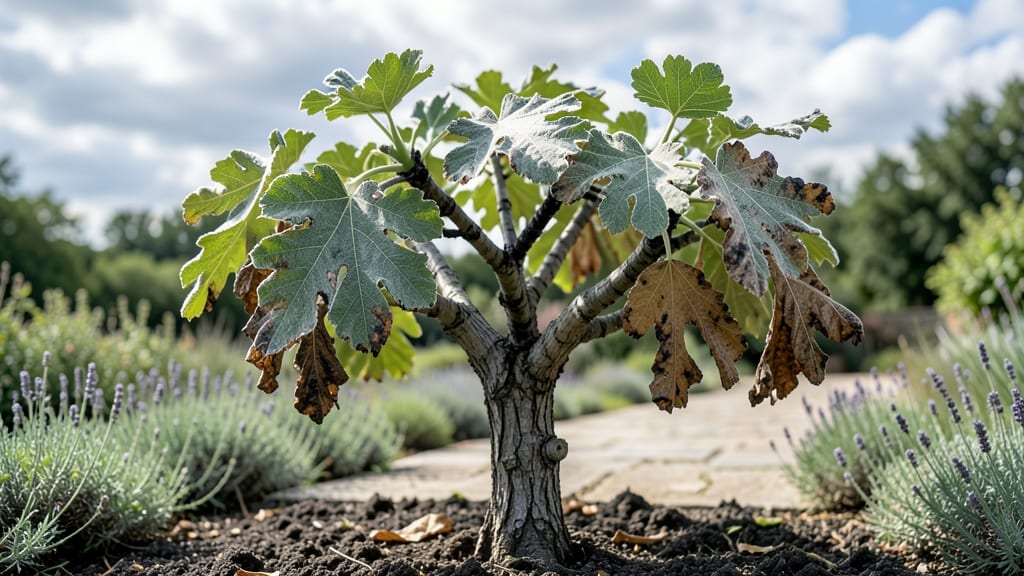
Your damaged fig tree—the one with frost-burned branches—might look hopeless now, but it can bounce back with the right moves. 🌿 The key is acting fast—pruning dead wood, protecting tender growth, and adjusting care before new shoots appear.
I’ve nursed back frost-damaged figs every spring, and these steps work even for severe damage. First, cut back only the blackened, brittle branches—never healthy green wood. Use clean pruners and make cuts just above a bud or leaf node.
Then, wrap the trunk in burlap or frost cloth to shield new growth from late frosts. Mulch the base with 4-6 inches of straw to insulate roots. By late spring, you’ll see fresh green leaves pushing from the cuts—proof the tree’s still alive.
Keep watering lightly (figs hate soggy soil) and avoid heavy pruning until after the last frost. Within a season, your tree can recover enough to fruit again. Works for both container and in-ground figs, even in zones where frost is a yearly threat. Let’s get those branches healing!
Cold Snaps Strike Hard
When a fig tree is damaged by frost, it’s rarely a single, isolated incident—it’s usually the result of a combination of environmental factors, plant biology, and sometimes even human oversight. Understanding why frost harms fig trees is the first step toward preventing future damage and reviving affected branches.
Below, we break down the key reasons frost can devastate your fig tree, from sudden temperature drops to underlying vulnerabilities in the plant itself.
Fig trees, especially tender varieties like Ficus carica, are not cold-hardy. While some varieties can tolerate brief dips into the mid-20s°F, most figs begin suffering damage when temperatures fall below 28°F (-2°C). The issue isn’t just the cold itself—it’s the speed of the drop.
- Rapid Freezing: When temperatures plummet quickly, the fig tree’s cells don’t have time to adjust. Water inside the cells expands as it freezes, rupturing cell walls and causing frost burn—visible as brown, crispy patches on leaves and branches.
- No Gradual Acclimation: Unlike hardy trees, figs lack the ability to produce protective antifreeze proteins. Even if a fig tree survived a mild frost last year, a sudden late-season freeze (like a polar vortex) can still kill it.
- Wind Chill Worsens Damage: Wind accelerates heat loss, making frost damage 2-3 times worse in exposed areas. A sheltered fig tree may escape unscathed while one in an open yard turns black.
💡 Pro Tip: If your area has a history of flash freezes, consider planting figs in microclimates—like against a south-facing wall or in a greenhouse—where cold air pools less aggressively.
Frost damage isn’t just about temperature—moisture levels play a huge role. Fig trees in dry, arid conditions are far more susceptible to frost injury because:
- Dry Soil = Less Heat Retention: Moist soil acts like a thermal blanket, slowly releasing warmth. Dry soil, however, radiates heat away faster, making roots and lower branches freeze quicker.
- Desiccated Leaves Freeze Easier: Healthy, hydrated leaves can tolerate slightly lower temps than wilted or crispy ones. A fig tree already stressed by drought will crisp up faster in a freeze.
- Frost Heaving Risk: In freezing, dry ground, roots can lift out of the soil (a process called frost heaving), severing water-conducting vessels and killing the tree.
🌡️ Actionable Fix: Before winter, deep-water your fig tree (1-2 inches per week) and mulch heavily with straw or wood chips to lock in moisture and insulate roots.
Not all fig tree damage is created equal—young, fast-growing branches are far more vulnerable to frost than mature wood. Here’s why:
| Factor | Why It Matters |
|---|---|
| Thin Bark | Mature fig branches develop thicker bark that insulates against cold. New growth has paper-thin bark, which freezes solid in low temps. |
| High Water Content | Young shoots are 90% water, making them prone to ice crystal formation inside cells. Older wood has less water and recovers better. |
| Late-Season Flushes | If your fig tree sprouted new leaves in fall (due to warm weather), those tender shoots will burn instantly in a frost, even if the rest of the tree survives. |
✨ Prevention Tip: If you live in a transitional climate (like Zone 8-9), prune back late-season growth by early November to harden off the tree before winter.
Where you plant your fig tree can make or break its frost resistance. Common mistakes include:
- Open, Windy Spots: Wind strips heat from leaves and branches, lowering their freezing point. A fig in an exposed yard may freeze at 32°F (0°C) while one near a wall survives 25°F (-4°C).
- Low-Lying Areas: Cold air sinks, so figs planted in valleys or depressions get hit harder than those on slopes or hillsides.
- Reflective Surfaces: Light-colored pavement or buildings can bounce heat away at night, making nearby figs 3-5°F colder than average.
🎯 Solution: Choose a south or west-facing spot with protection from prevailing winds (like a fence or hedge). If planting in a cold zone, use a greenhouse or cold frame for young trees.
Now that you know why frost damages fig trees, the next step is how to fix it—and the good news is, with the right pruning and care, even heavily frosted figs can bounce back. Stay tuned for our 3-step revival guide!
Reviving Frost-Burned Fig Trees
Frost damage can leave your fig tree looking sad and stressed, but with the right care, you can help it bounce back stronger than ever. Below are practical, step-by-step solutions tailored to the type of frost damage your tree is facing—whether it’s blackened leaves, brittle branches, or delayed budding.
We’ll also share prevention tips to keep your fig tree resilient against future cold snaps.
Before jumping into fixes, diagnose the severity of the frost damage. This helps you focus your efforts where they’re needed most.
- 🍃 Light Frost (Brown Spots, Wilting Leaves): The tree is still alive but struggling. Leaves may turn brown or crispy, but the branches remain flexible when bent. Action: Prune dead foliage and protect the tree from further cold stress.
- ❄️ Moderate Frost (Brittle Branches, No New Growth): Branches snap easily, and buds fail to open in spring. The bark may look cracked or discolored. Action: Prune aggressively, fertilize, and monitor for new shoots.
- ⚠️ Severe Frost (Blackened Wood, No Signs of Life): The entire branch (or tree) appears completely dead, with no green beneath the bark. Action: Remove the dead wood and consider replacing the tree if it’s beyond recovery.
Pruning is the first line of defense after frost damage. The goal? Remove dead wood while encouraging healthy regrowth.
🔥 How to Prune Frost-Damaged Branches
- 👨🍳 Use Sterilized Tools
- Clean pruning shears or a saw with rubbing alcohol to prevent disease spread.
- 🔪 Cut at the Right Angle
- Make cuts just above a healthy bud or branch collar (the swollen area where branches meet the trunk).
- Avoid leaving stubs—cut cleanly to prevent rot.
- 🌿 Remove Only the Necessary
- Dead branches: Cut all the way back to the trunk or a live branch.
- Partially damaged branches: Trim back to green wood (new growth) or a strong lateral branch.
- Crossing or weak branches: Remove them to improve airflow and reduce stress.
- ⏰ Best Time to Prune
- Late winter/early spring (just before new growth starts) is ideal.
- Avoid pruning in fall, as wounds may not heal before winter.
Once pruning is done, give your fig tree the support it needs to recover.
💡 Pro Tips for a Stronger Tree
| Issue | Solution | When to Do It |
|---|---|---|
| Wilting or Crispy Leaves | Water deeply at the base of the tree (avoid wetting foliage). Mulch with 2-3 inches of organic matter (straw or wood chips) to insulate roots. | Early spring or after pruning |
| No New Growth | Apply a balanced fertilizer (10-10-10) in early spring to boost energy. Avoid high-nitrogen fertilizers—they promote leafy growth over fruit. | March–April |
| Weak or Stunted Tree | Prune lightly to reduce stress and improve sunlight penetration. Consider root feeding with a slow-release fertilizer. | Spring (after last frost) |
| Fungal Risk After Pruning | Spray copper fungicide or neem oil on cuts to prevent infections. | Immediately after pruning |
The best way to avoid frost damage? Prevent it in the first place. Here’s how:
- 🌡️ Choose the Right Variety Some figs (like Chicago Hardy or Celestial) tolerate colder climates better. If you live in USDA Zones 7-8, opt for cold-hardy types.
- 🌳 Plant in the Perfect Spot
- Full sun (6+ hours daily) but sheltered from wind.
- Well-draining soil—figs hate soggy roots.
- South-facing walls or fences can absorb heat and protect the tree.
- 🛡️ Winter Protection
- Mulch heavily (4-6 inches) around the base to insulate roots.
- Wrap the trunk with burlap or tree guard to prevent sunscald in winter.
- Cover young trees with frost cloth on extremely cold nights (below 20°F).
- 💧 Water Wisely
- Deep watering in fall helps the tree store moisture for winter.
- Avoid overwatering in winter—wet roots freeze easier.
- 🍃 Foliar Spray: Mix 1 tsp of liquid seaweed fertilizer in a gallon of water and spray leaves to boost cellular repair.
- 🌿 Companion Planting: Grow rosemary or thyme nearby—they release aromatic oils that deter pests and improve resilience.
- 🌞 Sunlight Boost: If your fig is in a shady spot, consider relocating it to a sunnier area next season.
By following these steps, your frost-damaged fig tree can not only survive but thrive—producing sweeter figs and stronger branches next season. 🍈💪 Stay patient, and your tree will reward you!
Frequently asked questions
How can I tell if my fig tree is dead after frost damage?
Check for any signs of life by scraping the bark with your fingernail. If you see green beneath or the bark is still slightly flexible, the tree may still recover. Completely blackened, brittle branches with no green underneath are truly dead and should be removed. Wait until late winter or early spring before making final calls.
Can I still harvest figs from a frost-damaged tree?
If the frost only damaged leaves or tender growth but spared the main branches, your tree may still produce figs—just possibly fewer. Focus on protecting new shoots in spring and avoid heavy pruning until you see fresh growth. Some varieties like 'Celestial' are more resilient and may recover better than others.
What's the best way to protect my fig tree from future frost?
Start with proper winter mulching (4-6 inches of straw) and wrap the trunk with burlap or frost cloth for extra insulation. Plant in a south-facing microclimate near a wall or fence, and avoid low-lying areas where cold air pools. For container figs, move them to a sheltered spot or bring them indoors.
Will pruning frost-damaged branches encourage more growth?
Yes! Pruning removes dead wood and redirects the tree's energy to healthy branches. Cut just above a bud or leaf node to encourage new growth. Avoid heavy pruning in fall—wait until late winter when the tree is still dormant but before new shoots appear in spring.
How long does it take for a frost-damaged fig tree to recover?
With proper care, you may see new growth within 4-6 weeks after pruning. Full recovery can take up to 1-2 seasons, depending on the severity of damage. Be patient—figs are resilient, and consistent watering, mulching, and protection will help it bounce back stronger.