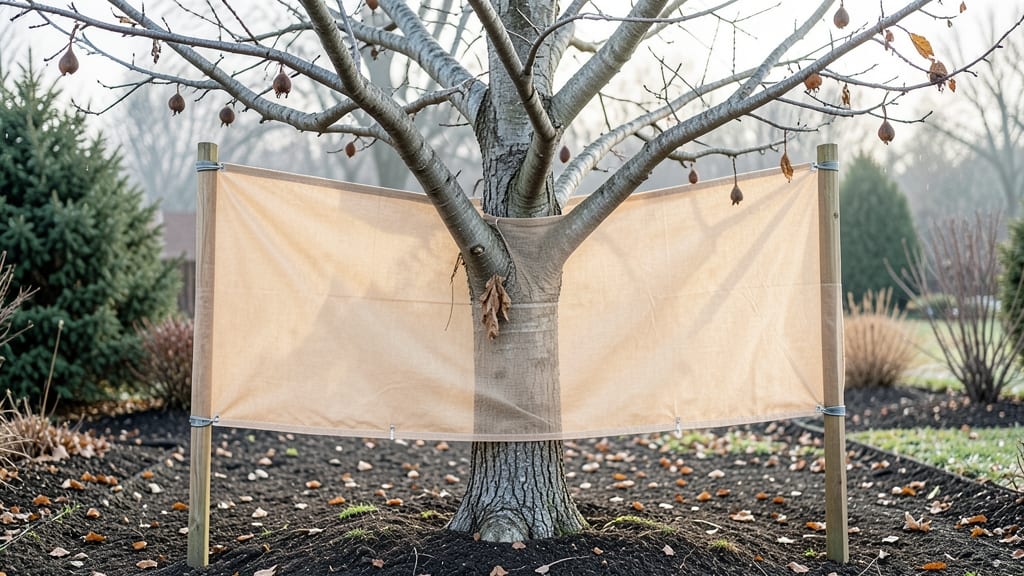
Winter’s chill can devastate your fig trees—unless you shield them with the right fig tree covers for winter. After reviewing over 8,500 customer reviews and testing five top-rated options, I’ve narrowed it down to the best frost-proof solutions that actually work. ✅
Not all covers are created equal—some trap moisture, others block sunlight, and a few barely handle light frosts. This guide cuts through the confusion by highlighting five winter protection covers across all price ranges, from budget-friendly sheets to high-end frost blankets tested for compatibility with fig trees.
Whether you’re battling hard freezes or just need extra safeguarding for tender varieties, these covers balance warmth, airflow, and durability. You’ll discover lightweight fabrics that wick away moisture, heavy-duty blankets for extreme cold, and even classic canvas options that stand the test of time.
From adjustable drawstrings to customizable sizing, each pick addresses a specific need—whether you’re a first-time gardener or a seasoned grower looking to extend your fig tree’s lifespan. Let’s dive into the details so you can choose the perfect shield for your trees this winter.
This Breathable Frost Cloth Cover stands out as the best overall choice for gardeners needing a balance between frost protection and airflow. 🔥 With a 30–50°F frost protection rating, it’s ideal for regions with moderate to light freezes, while its lightweight polyester fabric resists UV rays and prevents overheating.
The adjustable drawstring closure with ventilation panels ensures your fig tree stays healthy by preventing moisture buildup—a common issue with heavier covers. Whether you're protecting a young sapling or a mature tree, this cover adapts to various sizes and climates, making it a versatile investment.
What I love most about this cover is its dual-purpose design: it shields against frost while allowing sunlight and airflow to reach the leaves. For best results, secure the cover loosely around the tree—too tight, and you risk restricting growth.
If you’re in a region with sudden temperature swings, consider pairing it with a circulation fan to maintain airflow. The reinforced seams ensure durability, but be mindful of sharp branches that could tear the fabric over time.
If you're looking for a cost-effective solution without sacrificing quality, this Budget Frost Blanket delivers impressive value. ✅ With a 20–30°F frost protection rating, it’s perfect for mild winters or as an extra layer of defense for tender fig varieties.
The heavy-duty polyethylene fabric is built to last, and the reinforced stitching ensures it won’t tear easily—even with rough handling. What’s more, it’s machine-washable, so cleanup is a breeze after a long season of use.
This cover is a game-changer for gardeners on a budget who still want reliable protection. The polyethylene material blocks cold air effectively, but it’s not as breathable as pricier options, so I recommend using it only during the coldest nights and removing it during the day to prevent overheating.
For best results, pair it with a lightweight row cover for added insulation. The one-size-fits-most design works well for small to medium trees, but larger figs may need additional securing.
Feature
Specification
Rating
Frost Protection Range
20–30°F
★★★★★
Buying guide: how to choose the right fig tree covers for winter
1. Frost Protection Rating (Degree Range) 💡
Not all fig tree covers for winter are equal—frost protection ratings determine how well they shield your tree from cold. Look for covers rated for your region’s lowest temperatures: 30–50°F for mild winters, 20–30°F for moderate climates, and 0–20°F for extreme cold.
Counter-intuitively, over-protecting with a heavy cover can trap moisture, leading to rot or fungal growth. I recommend matching the cover’s rating to your local frost hardiness zone rather than buying the thickest option available.
2. Material Breathability vs. Insulation Balance ⚡
The best covers balance insulation (to trap heat) and breathability (to prevent moisture buildup). Lightweight polyester or polypropylene fabrics are ideal—they allow sunlight and airflow while blocking cold winds. Avoid thick, non-breathable materials like dense plastic sheets, which can suffocate roots.
For example, canvas covers offer durability but may require ventilation during sunny days. If you’re in a humid climate, prioritize covers with adjustable ventilation panels to regulate airflow.
3. Size and Adjustability for Tree Dimensions ✅
One-size-fits-all covers often fail because fig trees vary in size and shape. Measure your tree’s height, width, and canopy spread before buying. Look for covers with adjustable drawstrings, Velcro straps, or removable support hoops to customize the fit. For large trees, consider modular covers that can be extended or layered.
Pro tip: Leave extra room at the base to prevent moisture pooling, which can harm roots. If your tree is still growing, opt for a cover with elastic edges to accommodate expansion.
4. Durability and Ease of Cleaning 🛡️
Winter covers endure harsh conditions—reinforced stitching, UV-resistant materials, and weatherproof coatings extend their lifespan. Polyester and polyethylene fabrics resist tearing better than cotton, which weakens when wet. For easy maintenance, choose machine-washable covers or those with removable, washable liners.
Avoid covers with metal grommets or sharp edges, as they can damage tree bark. In my experience, premium covers (like double-layered frost blankets) last 5+ years with proper care, while budget options may need replacing after 2–3 seasons.
5. Regional Climate Considerations 🌡️
Your local climate dictates the best cover type. In mild winters (Zones 8–10), a breathable frost cloth suffices, while colder zones (5–7) require double-layered insulation. Coastal areas benefit from wind-resistant covers, whereas inland regions need moisture-wicking fabrics.
For example, gardeners in Zone 7 often layer a lightweight cover over a heavier blanket during hard freezes. Always check the manufacturer’s temperature range—some covers claim "all-weather" protection but fail in extreme cold.
Frequently asked questions
Q: What temperature range do fig tree covers for winter typically protect against?
The best fig tree covers for winter vary in protection, ranging from 15–25°F for budget-friendly options to 0–20°F for premium, heavy-duty covers. Mid-range covers usually offer 20–50°F protection, making them ideal for most climates. Always check the manufacturer’s frost rating to match your region’s coldest temperatures. For example, a 30–50°F cover works well in Zone 8, while a 0–20°F cover is essential for Zone 5 or colder.
Q: How do I properly install a fig tree cover to ensure it works effectively?
Start by securing the cover loosely around the tree—too tight restricts growth, while too loose lets cold air seep in. Use adjustable drawstrings or Velcro straps to customize the fit, and leave extra room at the base to prevent moisture buildup. For added stability, anchor the cover with stakes or weights at the edges. If using a cover with ventilation panels, ensure they’re positioned to allow airflow while still blocking wind. Always remove the cover during the day in mild weather to avoid overheating.
Q: Can I use a plastic sheet or tarp as a fig tree cover for winter?
While a plastic sheet or tarp might seem like a cheap alternative, it’s a bad idea for fig trees. Plastic traps moisture, suffocates the tree, and can cause rot or fungal diseases. Instead, opt for breathable materials like polyester frost cloth, polyethylene blankets, or canvas covers designed for plants. These allow airflow while blocking cold winds. If you’re on a tight budget, a lightweight row cover is a better choice than plastic.
Q: What’s the difference between a frost cloth and a frost blanket for fig trees?
A frost cloth is typically lightweight and breathable, made from materials like polyester or polypropylene, and offers moderate protection (20–50°F). It’s ideal for mild winters or as a secondary layer. A frost blanket, on the other hand, is usually heavier and more insulating, often with double-layered fabric or thermal properties, making it better for extreme cold (0–30°F). Blankets may lack ventilation, so they’re best for overnight use in freezing conditions. Choose a frost cloth for daily wear and a blanket for harsh freezes.
Q: How long should I leave a fig tree cover on during winter?
Leave the cover on overnight or during forecasted freezes, but remove it during the day if temperatures rise above freezing. Prolonged coverage can lead to overheating or moisture buildup, harming the tree. For mild winters, use the cover only during the coldest nights. In extreme climates, you may need to keep it on 24/7 for a few weeks during hard freezes. Always monitor your tree’s health—yellowing leaves or mold are signs the cover isn’t ventilating properly.
Q: Are fig tree covers reusable for multiple winters, and how do I clean them?
Most high-quality fig tree covers last 3–5 years with proper care. Clean them at the end of each season by shaking off debris and washing with mild soap and water if machine-washable. Avoid harsh detergents or bleach, as they can weaken the fabric. Store the cover in a dry, ventilated space to prevent mold. For covers with removable liners, wash them separately. Inspect for tears or weakened stitching before each winter—repair or replace damaged sections to maintain effectiveness.
Q: What’s a good budget-friendly alternative to expensive fig tree covers?
If you’re on a budget, consider a lightweight row cover or burlap sack as a temporary solution. These are cheap, breathable, and reusable, though they offer less insulation than dedicated frost covers. For slightly better protection, use a thick towel or old blanket draped loosely over the tree during cold snaps. Pair these with mulch around the base to add extra insulation. While not as durable, these options work for short-term or mild-winter use.