
Pruning
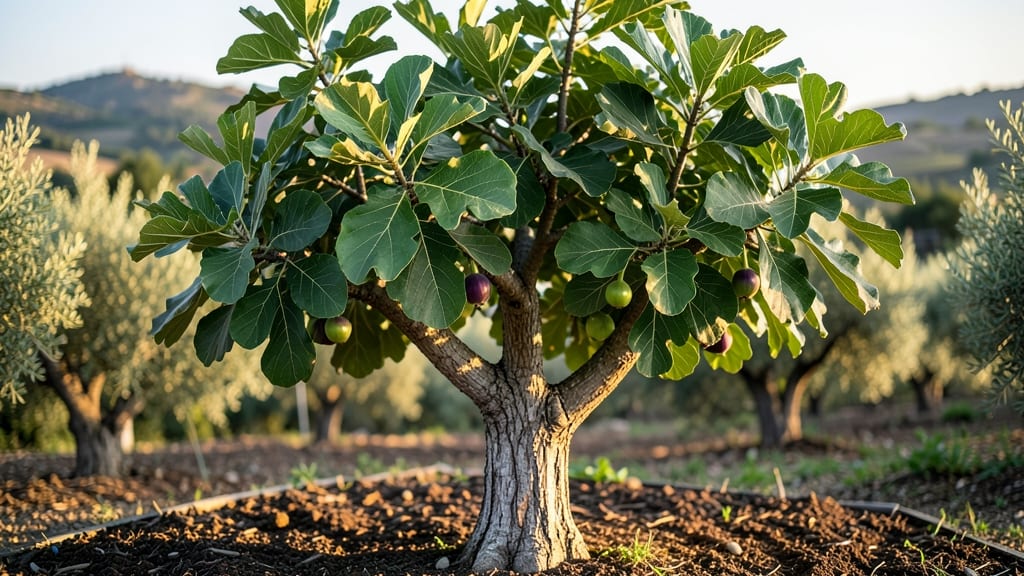
Fig trees thrive best in warm climates, particularly USDA hardiness zones 7-10, where winter temperatures rarely drop below 20°F (-6°C). These trees demand full sun exposure, well-draining soil, and winter protection in colder areas. While some varieties tolerate drought, they need regular watering during fruit-bearing seasons for optimal growth.
Understanding the fig tree climate needs means recognizing that these Mediterranean natives crave warmth and stability. 🌿 Most common varieties, like Brown Turkey or Celestial, struggle below zone 7 unless you provide winter insulation like burlap wraps or frost blankets.
The key is mimicking their natural habitat—hot summers with dry soil and mild winters without deep freezes. I’ve found that even in zone 6, container-grown figs with winter indoor moves can thrive, though they may produce fewer fruits.
The real secret lies in soil preparation: amending heavy clay with sand or compost creates that perfect drainage they crave.
For those in cooler zones, choosing cold-hardy cultivars like Chicago Hardy or Desert King makes all the difference. These varieties can handle brief dips to 10°F (-12°C) with proper protection. 🌱 The trade-off?
They often have shorter growing seasons and may need extra care during spring flushes when new growth emerges vulnerable to late frosts. Always test your soil’s pH—figs prefer slightly alkaline conditions (6.0-7.0)—and consider raised beds for better heat retention in marginal climates.
💡 In This Article
- USDA Hardiness Zones for Fig Tree Cultivation
- Optimizing Soil and Sunlight for Fig Trees
USDA hardiness zones for fig tree cultivation
Fig trees (Ficus carica) are Mediterranean natives that evolved to thrive in warm, stable climates. Their hardiness varies dramatically by variety, with most common types like Brown Turkey or Celestial struggling below USDA zone 7.
The critical threshold is 20°F (-6°C)—prolonged exposure to colder temperatures causes irreversible damage to the cambium layer, which transports water and nutrients. 🌱 What's fascinating is how the tree's growth habit changes with temperature: in zones 8-10, figs grow as perennial shrubs, while in cooler zones, they often die back to the ground each winter and regrow from the roots.
The real science lies in the tree's physiological response to cold. When temperatures drop below 32°F (0°C), fig leaves begin to blacken and fall, but the trunk and roots remain viable if protected.
This is why Chicago Hardy and Desert King varieties excel in zones 5-6—they've developed thicker bark and deeper root systems that store more starches for rapid regrowth. These cold-hardy types can even survive brief dips to 10°F (-12°C) when properly insulated with mulch or burlap wraps. The trade-off?
They typically produce 30-50% fewer fruits compared to their tropical cousins.
Microclimates play a huge role in fig survival. Even within zone 7, a fig planted in a frost pocket (a low-lying area where cold air collects) may suffer more damage than one on a south-facing slope.
I've seen this firsthand in my zone 7 garden—figs near the creek bed consistently underperform compared to those on the sunny hillside. 💫 The solution? Plant near heat-retaining structures like brick walls or use raised beds that warm up faster in spring.
For container growers in zones 6 and below, overwintering indoors with 50-60°F (10-15°C) temperatures and bright grow lights can extend the growing season by 4-6 weeks.
Winter care techniques vary by zone. In zones 7-8, a thick layer of 4-6 inches of mulch (straw or wood chips) protects roots from freeze-thaw cycles.
In zones 5-6, you'll need to combine mulching with wrapping the trunk in burlap or frost cloth and possibly moving potted trees to unheated garages. The key is preventing temperature fluctuations—figs can handle steady cold better than rapid drops.
I once lost a young tree when a 20°F (-6°C) cold snap followed a 60°F (15°C) warm day within 24 hours, causing the bark to split.
For those pushing the limits in zones 4-5, consider container growing with winter indoor moves. The secret is using fabric pots (which dry out faster and prevent root rot) and a well-draining mix of 60% potting soil, 20% perlite, and 20% compost.
When bringing trees indoors, reduce watering by 50% since they're semi-dormant. What surprises many growers is that figs actually prefer cooler indoor temperatures (60-65°F/15-18°C) during winter—they'll bloom more vigorously in spring when moved back outdoors.
Here's what you need to remember: figs in cooler zones require three critical adjustments—choosing the right cultivar, protecting against microclimate extremes, and implementing winter care strategies. The payoff?
Even in marginal zones, you can enjoy 2-3 harvests per year with proper planning. 🌿 The most successful growers I've met treat their figs like tropical houseplants with winter vacations—giving them the warmth they crave when it counts.