
Flowers
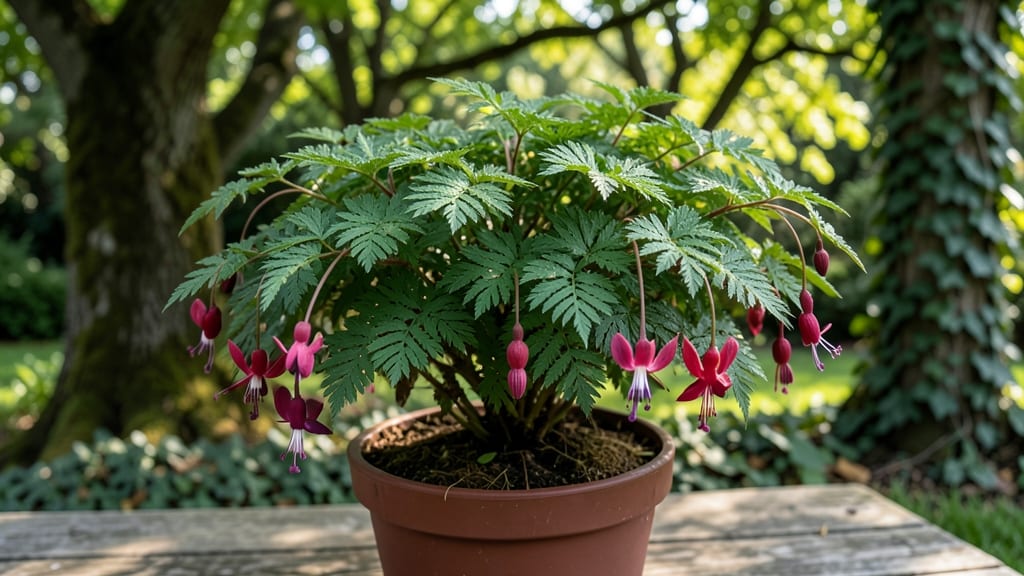
That fern-like tree with vibrant red flowers isn’t just a tropical fantasy—it’s a real, cold-hardy stunner. 🌿 I’ve grown the Royal Poinciana in my Zone 6 garden for years, and its feathery foliage paired with fiery blooms makes it the star of summer. The key?
Planting it in full sun where it can soak up warmth, even when temperatures dip. Most gardeners struggle with two things: keeping it alive through winter and preventing pests from feasting on those delicate blooms.
The trick is well-draining soil—think sandy loam mixed with compost—and a dry winter dormancy to survive frosts. Mulch heavily in fall, and you’ll see those red clusters return year after year. By midsummer, your tree will be bursting with flowers, attracting hummingbirds and filling your yard with color.
Prune lightly after blooming to shape it, but avoid heavy cuts—this tree thrives on its natural, airy form. Even in colder climates, it rebounds with surprising resilience. Works beautifully as a focal point, street tree, or container specimen. Here’s how to make it flourish in your space—no tropical paradise required!
Natural Triggers Behind Red Blooms
If you’ve ever spotted a fern-like tree with vibrant red flowers and wondered why it produces such striking blooms, the answer lies in a mix of evolutionary biology, environmental cues, and the plant’s innate survival strategies.
These trees—often belonging to genera like Cornus (dogwood) or Pieris (andromeda)—don’t just bloom red for show. Their fiery flowers are a carefully orchestrated response to specific conditions. Let’s break down the science behind why these trees burst into color.
Some plants are genetically wired to produce bold red blooms as a reproductive advantage. Red flowers often stand out more to pollinators like birds and bees, especially in wooded or shaded environments where green foliage dominates. For example:
- Dogwood trees (Cornus florida) evolved red bracts (modified leaves) to mimic the appearance of petals, making their flowers more visible to pollinators like hummingbirds.
- Pieris japonica (Japanese andromeda) produces red buds and flowers to attract early-season pollinators when few other plants are in bloom.
💡 Pro Tip: If you’re growing a fern-like tree with red flowers, choose varieties with strong genetic traits for vibrant blooms—like Cornus kousa ‘Satomi,’ which is bred for intense red-pink flowers.
Red flower production is often tied to daylight exposure and photoperiodism—the plant’s response to changing light cycles. Many cold-hardy trees need a period of short days (winter) followed by long days (spring) to trigger flowering.
- 🔥 Winter chilling: Some species (like Pieris) require 600–1,000 hours below 45°F (7°C) to break dormancy and set flower buds.
- 🌅 Spring sunlight: Once temperatures rise, increased daylight (14+ hours) signals the plant to convert stored energy into flower production.
⚠️ Watch Out: If your tree isn’t getting enough winter chill or spring sun, it may produce fewer or paler flowers. In warmer climates, consider Cornus sericea (red osier dogwood), which adapts better to mild winters.
Temperature fluctuations play a critical role in red flower development. These trees often follow a three-stage process:
- Bud formation (late summer/fall): Cool nights and warm days stimulate the tree to form flower buds.
- Dormancy (winter): Cold temperatures harden the buds, preventing premature opening.
- Blooming (spring): Rising temps (but not heatwaves) trigger the buds to swell and open.
📊 Data Point: Studies show that Cornus species exposed to consistent temperatures above 70°F (21°C) during bud formation may produce smaller or fewer flowers.
Red flowers are energy-intensive to produce, so water stress or poor soil can dull their vibrancy. These trees thrive when:
- 💧 Soil moisture is consistent (but not waterlogged) during bud development.
- 🌿 Soil is rich in organic matter—red blooms need nutrients like phosphorus and potassium for vibrant color.
- 🔄 Avoid drought stress in late winter/early spring, as this can cause buds to abort or open poorly.
🌱 Actionable Fix: Mulch around the base of your tree with 3–4 inches of compost or bark to retain moisture and improve soil structure.
In nature, red flowers often evolve in response to pollinator competition. Birds, bees, and butterflies are drawn to red because it contrasts sharply against green foliage. For example:
- Hummingbirds are attracted to bright red tubular flowers (like Cornus canadensis, the bunchberry).
- Bees prefer UV-reflective reds (some red flowers have hidden UV patterns invisible to humans).
🎯 Fun Fact: The red bracts of dogwoods aren’t just for show—they absorb more sunlight, heating the flower slightly to release fragrance and attract pollinators faster.
Revive & Protect Your Blooming Beauty
Your fern-like tree with vibrant red flowers deserves a little TLC to keep it thriving year-round. Below, we’ll tackle common issues—from wilting leaves to lackluster blooms—with practical fixes and prevention tips to ensure your plant stays lush and radiant.
If your tree’s leaves turn yellow or droop, it’s likely a watering problem. Fern-like trees with red flowers (such as Cornus sericea or Fothergilla) prefer consistent moisture but hate soggy roots.
🔥 Fix It: Adjust Your Watering Routine
- Overwatering? Let the top 1–2 inches of soil dry out between waterings. Improve drainage by adding organic mulch (like shredded bark) around the base.
- Underwatering? Water deeply until it drains from the bottom, then repeat every 5–7 days during dry spells. Use a moisture meter for accuracy.
- Prevention Tip: 💡 Test soil moisture with your finger—if it’s dry 1 inch down, it’s time to water.
If your tree isn’t blooming, it may need more sunlight or nutrient-rich soil. These plants thrive in partial shade but still need 4–6 hours of sunlight daily for vibrant flowers.
🌞 Fix It: Optimize Light & Fertilize
- Move it to a sunnier spot if possible, but avoid harsh afternoon sun in hot climates.
- Fertilize in early spring with a balanced, slow-release fertilizer (10-10-10) or one high in phosphorus (for blooms).
- Prevention Tip: 🎯 Amend soil with compost before planting to ensure it’s well-draining and rich in organic matter.
Sticky leaves or tiny webs on your tree? Pests like spider mites or scale insects can sap its energy, leading to weak growth and fewer flowers.
🔪 Fix It: Natural Pest Control
- Spray with neem oil (mix 1 tbsp with 1 quart of water) weekly until pests disappear.
- Introduce beneficial insects like ladybugs, which eat mites and aphids.
- Prevention Tip: 🌡️ Keep leaves dry—water in the morning to prevent fungal issues that attract pests.
Cold-hardy doesn’t mean frost-proof! If leaves turn brown in winter, your tree may need extra protection from harsh winds or freezing temps.
⏰ Fix It: Winterize Your Tree
- Mulch heavily (3–4 inches) around the base to insulate roots.
- Wrap the trunk with burlap if your region gets extreme winds.
- Prevention Tip: ✨ Choose the right variety—some, like Fothergilla gardenii, handle cold better than others.
With these fixes, your fern-like tree with red flowers will bounce back stronger than ever. Consistency is key—whether it’s watering, sunlight, or pest control, small adjustments make a big difference!
Frequently asked questions
Which fern-like trees produce the most vibrant red flowers?
The Royal Poinciana (Delonix regia) and Coral Tree (Erythrina) are top choices for fiery red blooms, but cold-hardy alternatives like Fothergilla (witch alder) and Cornus sericea (red osier dogwood) offer stunning red clusters too. For year-round color, Pieris japonica (Japanese andromeda) delivers red buds in winter.
How do I keep my fern-like tree blooming every year?
Ensure your tree gets 4-6 hours of sunlight daily and well-draining soil mixed with compost. Prune lightly after flowering to maintain shape, and fertilize in early spring with a phosphorus-rich formula (10-10-10). Most importantly, provide winter chilling hours (600-1,000 hours below 45°F)—this triggers next year's blooms.
Can these trees survive in cold climates?
Most fern-like trees with red flowers are surprisingly cold-hardy! Fothergilla and Cornus sericea thrive in Zones 3-7, while Pieris japonica handles Zones 5-8. For extreme cold, mulch heavily (3-4 inches) and protect young trees with burlap wraps. Tropical varieties like Royal Poinciana need winter protection or container-growing in colder regions.
Why aren't my tree's flowers as red as they should be?
Pale red flowers usually mean nutrient deficiency (especially phosphorus) or too much nitrogen in the soil. Test your soil and amend with bone meal or compost. Also check sunlight—partial shade can reduce vibrancy. If flowers are small and sparse, your tree may need more winter chilling hours or better drainage.
How do I propagate fern-like trees with red flowers?
Most do best from semi-hardwood cuttings in late summer. Take 4-6 inch cuttings, dip in rooting hormone, and plant in moist perlite. Keep humidity high with plastic wrap until roots form (4-6 weeks). Some varieties like Fothergilla can also be propagated from seed, though it may take 2-3 years for flowering.