
Pruning
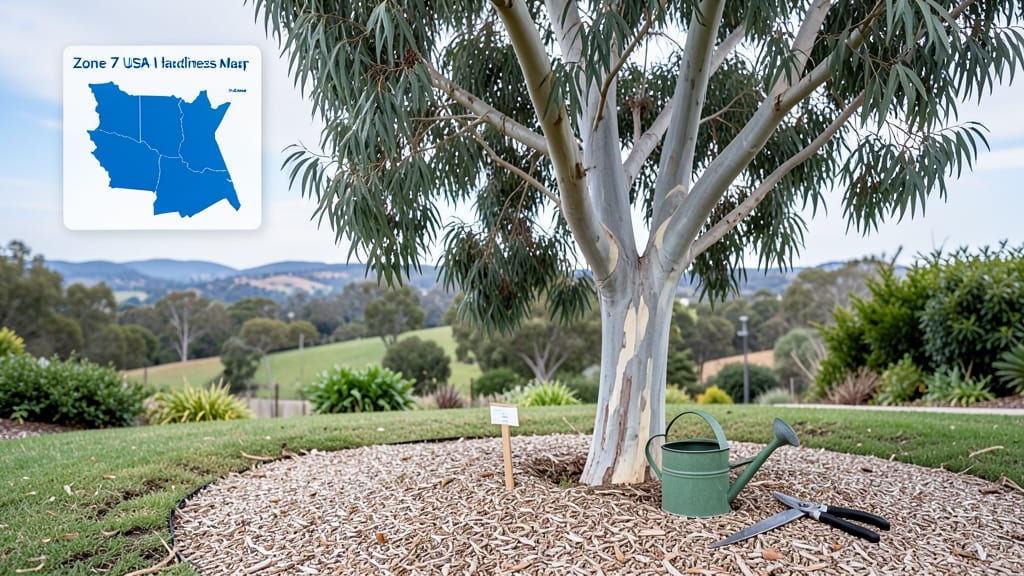
Eucalyptus trees in Zone 7 need careful placement or container growing since most varieties can't handle temperatures below 10–25°F without damage. Only cold-tolerant species like Eucalyptus gunnii or Eucalyptus pauciflora survive brief freezes to 10°F, while others require winter protection like thick mulch or windbreaks.
Zone 7's unpredictable winters—where temperatures can swing from mild to freezing overnight—make eucalyptus care especially tricky. 🌿 The key difference between hardy and tender species lies in their native climates: while most eucalyptus hail from frost-free regions of Australia, these two exceptions evolved in cooler alpine areas.
I've seen firsthand how Eucalyptus gunnii keeps its foliage through light freezes, but its roots still need protection from prolonged cold. For non-hardy types, strategic planting near south-facing walls or using insulated containers can add 5-10°F of protection during cold snaps.
When winter arrives, don't wait until the first frost to act. Apply 4-6 inches of mulch around the base in late fall, and consider wrapping the trunk with burlap for younger trees. Container-grown eucalyptus should be moved to unheated garages or covered with frost cloths when nighttime temps drop below 25°F.
The goal is to prevent the roots from freezing—once that happens, even cold-hardy varieties struggle to recover.
💡 In This Article
- Cold Hardiness Limits of Eucalyptus Species
- Zone 7 Eucalyptus Planting and Winter Survival Strategies
Cold hardiness limits of eucalyptus species
The cold hardiness of eucalyptus trees hinges on their native climate origins. Most species evolved in Australia's frost-free coastal regions, where temperatures rarely drop below 32°F. This means their cellular structure lacks the protective adaptations—like antifreeze proteins or deep dormancy—that cold-hardy plants develop.
When Zone 7's winter temperatures hit 25°F or lower, eucalyptus leaves begin to show frost damage: crisp edges turn brown, and the waxy coating that normally repels water breaks down, leaving foliage vulnerable to dehydration.
There are two notable exceptions: Eucalyptus gunnii (Cider Gum) and Eucalyptus pauciflora (Snow Gum). These alpine varieties can tolerate brief exposures to 10°F because their leaves contain higher concentrations of osmolytes—organic compounds that act like natural antifreeze by lowering the freezing point of water within plant cells.
However, prolonged cold or soil temperatures below 20°F can still cause root damage, even in these hardy types. The key difference lies in their ability to enter a semi-dormant state, slowing metabolic processes to conserve energy during cold snaps.
What most gardeners don't realize is that eucalyptus roots are even more sensitive to cold than the foliage. When soil temperatures drop below 35°F, root activity slows dramatically, and prolonged exposure can lead to irreversible damage.
This is why mulching isn't just about protecting the trunk—it's a critical buffer for the root zone. In my experience, adding 4-6 inches of wood chips or straw mulch can raise soil temperatures by 5-10°F during cold nights, making a significant difference in survival rates.
Another critical factor is leaf morphology. Most eucalyptus have long, narrow leaves that maximize sunlight exposure but also increase surface area for frost damage. The cold-hardy varieties have smaller, thicker leaves that reduce heat loss.
For example, Eucalyptus gunnii's leaves are only 1-2 inches long compared to 4-6 inches in tender species, which helps them retain heat better during cold nights. This structural difference explains why some varieties can survive Zone 7 winters while others cannot.
The science behind eucalyptus cold sensitivity involves membrane damage. When cell walls freeze, ice crystals form within the plant tissues, rupturing cell membranes and disrupting nutrient transport.
This is why you'll often see eucalyptus trees that look fine above ground but fail to leaf out in spring—the roots have been compromised.
The threshold for this damage varies by species but typically occurs between 15-25°F, which is why Zone 7 gardeners must be so vigilant about protection during cold snaps.
For those considering eucalyptus in Zone 7, it's worth noting that even cold-hardy varieties may exhibit dieback if exposed to prolonged cold. The goal isn't to create a frost-proof plant but to minimize stress.
For instance, Eucalyptus gunnii might lose some foliage at 10°F but can regrow if the roots remain protected. This resilience makes it the best choice for Zone 7 gardeners willing to invest in proper winter care.