
Pruning
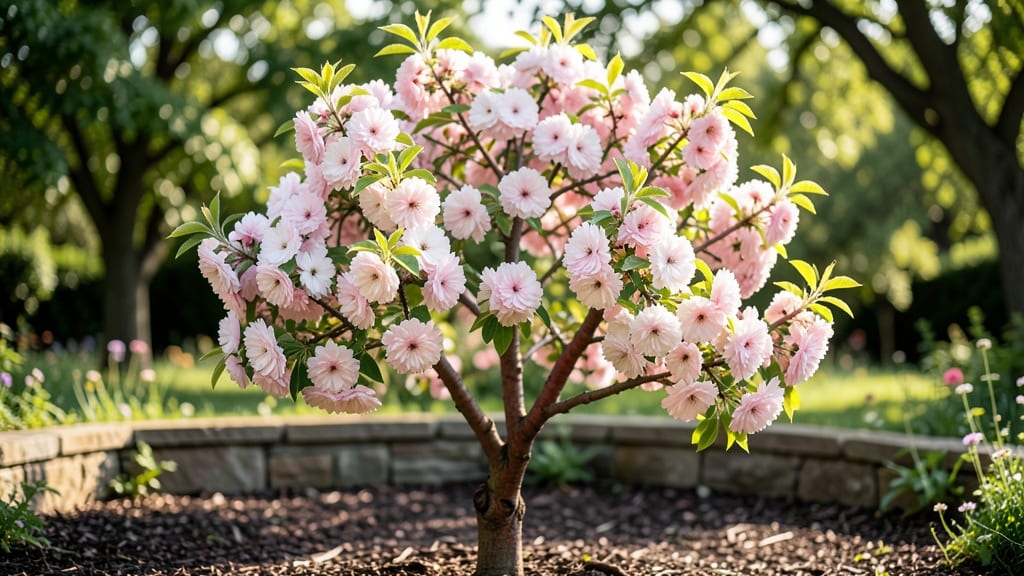
Pruning a donut peach tree flower isn’t just about shaping—it’s about unlocking year-round blooms that look like delicate pink lace against the branches. 🌸 I learned the hard way that cutting at the wrong time can leave you with sparse flowers or even no fruit.
The secret lies in timing cuts with the tree’s natural cycle, and once you master it, your tree will reward you with more flowers than you know what to do with.
Start by pruning in late winter (before buds swell) to remove dead or crossing branches—this is when the tree is dormant and can handle stress. Then, do a light trim after each flush of blooms to encourage new growth.
I’ve seen trees go from a handful of flowers to hundreds just by following this rhythm. The key is patience: don’t rush, and never cut more than 25% of the canopy in one session.
What you’ll end up with is a tree that flowers spring, summer, and even fall, with clusters of blossoms so dense they look like confetti. The donut-shaped fruit adds a playful touch, but the real star is those endless blooms that attract bees and hummingbirds.
Just imagine your yard filled with that sweet, citrusy scent all season long. Works for both container-grown and in-ground donut peach trees—just adjust the pruning tools for size. And if you’re worried about overdoing it, remember: less is more.
A little precision goes a long way with these dramatic bloomers.
📚 In This Guide
- What you need
- Instructions
- Tips and common mistakes
- Wrapping up and next steps
What you need
- ● Pruning shears: Bypass pruners (sharp, clean, and 10-12 inches long) for small branches.
- ● Loppers: Long-handled (24-36 inches) for thicker branches (½–1½ inches in diameter).
- ● Pruning saw: Curved-tooth saw for branches over 1½ inches thick.
- ● Disinfectant: 70% isopropyl alcohol or bleach solution (1 part bleach:9 parts water) to sterilize tools.
- ○ Pruning sealant: Optional but helpful for large cuts (e.g., tree wound dressing or pruning paint).
- ● Gloves: Heavy-duty, cut-resistant to protect your hands.
- ● Safety gear: Safety glasses and long sleeves/pants (for thorny branches!).
- ● Weather check: Prune on a dry, cloudy day (avoid frost or extreme heat).
- ● Tree health: Ensure your donut peach tree is disease-free (no signs of blight or pests).
- ● Tools sharpened: Test your shears/loppers—dull tools crush branches, inviting infection.
- ● Clean workspace: Lay down tarps or old sheets to catch debris.
- ○ Research cuts: Sketch a simple branch map (optional but helpful for beginners!).
- ● 🌡️ Timing matters: Late winter/early spring (just before buds swell) is prime time for donut peach trees!
- ● ✨ Sterilize between cuts: Wipe tools with disinfectant after each branch to prevent spreading disease.
- ● 🎯 Avoid over-pruning: Never remove more than 25% of the tree’s canopy in one session.
Step-by-Step guide to pruning donut peach tree flowers
Here's how I keep my donut peach tree blooming beautifully all year—no guesswork, just precise cuts.
⏰ Step 1: Time Your Pruning for Peak Health
Prune your donut peach tree in late winter or early spring, just as new growth begins but before buds swell. This timing ensures you remove dead wood while leaving healthy buds intact for spring blooms. If you live in a mild climate, you can do a light pruning in late summer to encourage new growth for fall flowers.
I always check the weather first—never prune when frost is forecasted. Cold temperatures stress newly pruned trees. Watch for swollen buds on branches; that's your signal to hold off until they soften slightly. For year-round blooms, I do a light maintenance trim after each major bloom cycle to redirect energy.
✂️ Step 2: Remove Dead, Diseased, or Crossing Branches
Start by cutting out any dead, diseased, or damaged branches first—they sap energy from healthy growth. Use clean, sharp pruning shears to make cuts at a 45-degree angle, about ¼ inch above an outward-facing bud. This encourages new growth in the right direction and prevents water from pooling on the cut.
Next, remove branches that cross or rub against each other. These create wounds where pests and diseases can enter. I look for branches growing inward or downward—they’ll never get enough sunlight to produce quality blooms. Cut these back to the nearest outward-facing bud or branch collar. Never leave stubs; they invite rot and weaken the tree.
☀️ Step 3: Thin Out Overcrowded Areas for Better Airflow
Peach trees need good airflow to prevent fungal diseases like brown rot. Thin out branches to let sunlight reach the center of the tree. Aim to create an open, vase-like shape with 6-8 main scaffold branches spaced evenly. Remove any branches growing straight up—these compete with the main leader and create weak crotches.
I focus on selective thinning rather than heavy cutting. Remove no more than 25% of the tree’s foliage in one session. Watch for branches with multiple blooms clustered together—these often produce smaller, less flavorful donuts. Thin these clusters to 1-2 strong blooms per branch for better fruit quality. Use your shears to make clean cuts just above a bud or branch collar.
🌱 Step 4: Shape for Year-Round Blooms
To encourage continuous blooming, prune to promote new growth while preserving existing flower clusters. Cut back last year’s growth by about ⅓ to stimulate fresh shoots. These new branches will produce next season’s blooms. I always leave some older wood—it’s where the best donut peach flowers develop.
For fall blooms, do a light pruning after the summer harvest. Remove only spent flowers and weak growth, and avoid heavy cuts that stress the tree. If you notice leggy growth (long, weak branches with few leaves), trim them back to encourage bushier, more productive branches. Step back occasionally to check your progress—the tree should look balanced and open, not overcrowded.
💧 Step 5: Clean Up and Protect the Tree
After pruning, sterilize your tools with rubbing alcohol to prevent spreading disease. Collect and dispose of pruned branches away from the tree to avoid pests. I like to mulch around the base with 2-3 inches of organic mulch to retain moisture and protect roots from temperature swings.
Water deeply right after pruning to help the tree recover. Avoid fertilizing immediately—wait 4-6 weeks to let the cuts heal before feeding. Keep an eye out for new growth in the next 2-3 weeks; that’s your sign the tree is responding well. If you see yellowing leaves or wilting, it might be stressed—reduce watering slightly and monitor closely.
Tips & tricks for perfect donut peach tree flower pruning
Even the most experienced gardeners sometimes miss these key details that make all the difference with donut peach trees.
Timing is Everything: In Step 1, those swollen buds are your best indicator—when they're firm but starting to soften, that's your window. I've learned the hard way that pruning too early when buds are still tight can damage emerging flowers, while waiting too long risks losing winter-killed branches. For year-round blooms, mark your calendar for late winter/early spring AND late summer maintenance.
Precision Cutting Technique: When you're making those 45-degree cuts in Step 2, imagine you're drawing a line from the branch collar to the bud—your cut should follow that line perfectly. I use a small piece of masking tape on my shears as a visual guide for the ¼-inch spacing. This ensures clean cuts that heal properly and don't leave unsightly stubs that invite disease.
Airflow Strategy: The 25% foliage rule in Step 3 is non-negotiable for donut peach trees. I visualize the tree's canopy like an umbrella—you want sunlight to reach every part, not just the outer edges. For stubborn overcrowded areas, I make two cuts: first to remove the branch, then a second to shape the remaining branch. This creates a more natural look while maintaining that crucial airflow.
Recovery Care: After pruning, that deep watering in Step 5 isn't just about hydration—it's about helping the tree establish new root growth. I always add a handful of compost to the mulch ring to give the tree extra nutrients during recovery. Watching for new growth in 2-3 weeks becomes my daily ritual until I see those fresh shoots appear.
Pro Tips for Donut Peach Tree Flower
- Even the most experienced gardeners sometimes miss these key details that make all the difference with donut peach trees.
- Timing is Everything: In Step 1, those swollen buds are your best indicator—when they're firm but starting to soften, that's your window.
- Precision Cutting Technique: When you're making those 45-degree cuts in Step 2, imagine you're drawing a line from the branch collar to the bud—your cut should follow that line perfectly.
Frequently asked questions
Got questions about pruning your donut peach tree to keep those stunning blooms coming? Here are some of the most common ones—plus practical answers to help you grow a thriving tree!
When is the best time to prune a donut peach tree for flowers?
The ideal window is late winter or early spring (just before buds swell but before blooms open). This encourages strong new growth and abundant flowers. Avoid pruning during active bloom or after summer—it can stress the tree and reduce next year’s flowers.
Can I prune my donut peach tree in summer?
Summer pruning is possible, but it’s riskier. If you must, do it in early summer (June) to shape the tree or remove dead wood. Avoid heavy cuts—focus on light trimming to prevent stress. Pro tip: Water deeply after pruning to help the tree recover!
Why aren’t my donut peach tree flowers lasting long?
Short-lived blooms often mean over-pruning, nutrient deficiency, or poor watering. Check for:
- Too many cuts in one season (stick to 10-20% of branches max per year).
- Low nitrogen (use a balanced fertilizer in early spring).
- Drought stress (deep water 1-2x weekly during bloom season).
What’s the difference between pruning for donuts vs. fruit?
Donut peach trees (like Prunus persica ‘Bonanza’) prioritize aesthetic blooms, so focus on:
- Open center shape (remove inward-growing branches).
- Thinning dense areas for airflow (prevents disease).
- Avoid heavy fruit-bearing cuts—these reduce blooms.
Should I prune after a harsh winter?
Yes, but wait until late winter (when temps stay above freezing). Look for:
- Dead/damaged branches (cut these first—they won’t regrow).
- Crossing branches (rubbing can weaken the tree).
- Water sprouts (fast-growing vertical shoots—remove them).
Pro Tip:
Use sharp, sterilized shears (clean with rubbing alcohol) to prevent disease. And always make cuts at a 45° angle just above a bud or branch collar for faster healing!
Wrapping up and next steps
Watching your donut peach tree flower burst into vibrant blooms is incredibly rewarding—especially when you’ve mastered the art of pruning for year-round beauty! 🌸 By timing your cuts right (late winter or early spring) and focusing on open-center shaping, you’ll encourage stronger growth, better air circulation, and those coveted peach blossoms you love.
Remember, patience and consistency are key, so don’t rush the process.
Ready to see your tree thrive? Grab your pruners and schedule your next pruning session—your future blooms will thank you! 🌿 For extra confidence, revisit our FAQs or sketch a quick pruning plan before you start.