
Pruning
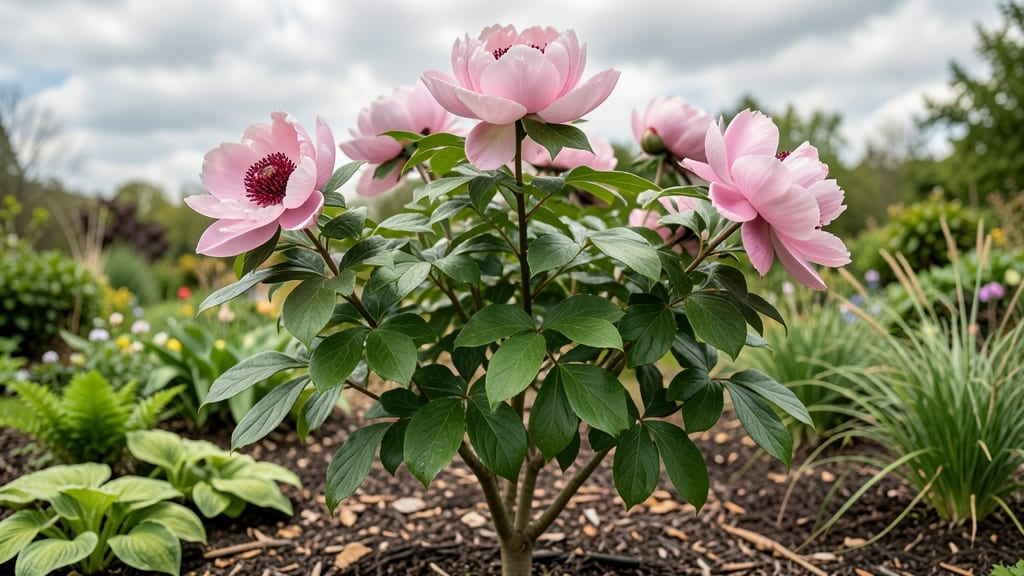
Tree peonies (Paeonia suffruticosa) bloom like no other shrub—bold, fragrant, and reliable for decades if pruned right. 🌸 I’ve watched mine go from scraggly to showstopping in just three years, and the secret isn’t complicated: timing and confidence.
Most gardeners overthink it, but the real magic happens in late winter or early spring, when the plant is dormant but the buds are already dreaming of summer.
You’ll need sharp pruners, a sunny spot with well-draining soil, and patience—these aren’t plants you rush. The best varieties like ‘Duchesse de Nemours’ or ‘Karl Rosenfield’ thrive in zones 4-8, but even in colder climates, they bounce back with fewer cuts.
The goal isn’t to shape them like topiary; it’s to open up the center so light and air circulate, preventing those pesky fungal issues that turn blooms to mush.
After pruning, you’ll see thick, velvety-green stems by spring, followed by blooms so heavy they’ll bend branches. The fragrance alone—like a mix of roses and spice—makes the effort worth it.
And here’s the best part: these cuts keep producing for years, unlike their herbaceous cousins that fade after one season.
For beginners, the biggest mistake is pruning too early or too late—wait until after the last frost but before buds swell. And if you’re in a humid area, space plants 5-6 feet apart to avoid mildew.
Trust me, once you’ve seen a tree peony in full bloom, you’ll understand why gardeners fight over cuttings like they’re rare jewels.
📚 In This Guide
- What you need
- Instructions
- Tips and common mistakes
- Wrapping up and next steps
What you need
- ● Sharp pruning shears or loppers: Choose bypass pruners (for small branches) or loppers (for thicker stems, up to 2 inches in diameter). Sanitize with rubbing alcohol before and after use to prevent disease spread.
- ● Hand pruners (for fine trimming): Ideal for delicate cuts on smaller branches or deadheading spent blooms.
- ● Gloves (cut-resistant): Protect your hands from thorns and rough bark. Opt for gardening gloves with reinforced palms.
- ● Disinfectant (10% bleach solution or hydrogen peroxide): Mix 1 part bleach to 9 parts water to sterilize tools between cuts.
- ○ Pruning saw (optional but helpful): For branches thicker than 2 inches—look for a bow saw or pruning saw with a fine-toothed blade.
- ● Rake or leaf blower: Clears debris from the base of the plant post-pruning.
- ● Mulch (compost or shredded bark): 2–3 inches of organic mulch to retain moisture and protect roots.
- ● Pruning sealant: For large cuts (over ½ inch thick) to prevent disease entry.
- ● Knee pads or a small stool: Makes crouching or kneeling more comfortable.
- ● Marking twine or flags: Helps identify branches to keep or remove during complex pruning.
- ● Garden hose (with spray nozzle): For rinsing tools and refreshing the plant post-pruning.
Step-by-Step instructions for pruning paeonia tree peonies
Strategic cuts keep your tree peony thriving and blooming abundantly for decades.
✂️ Step 1: Prune Immediately After First Bloom
Wait until 2-3 weeks after the first bloom cycle—when the flowers have fully faded but before new buds form. This timing ensures you remove spent blooms while preserving next year's flower buds, which develop on last year's growth. I always prune in late spring or early summer, depending on your climate zone.
Use clean, sharp pruners to cut back the stems to the first set of leaves below the faded bloom. Never cut into old wood or you risk killing the plant. Tree peonies form flower buds on the previous year's growth, so aggressive pruning now means fewer blooms next season. Make cuts at a 45-degree angle just above a leaf node to encourage new growth.
✂️ Step 2: Lightly Trim for Airflow in Late Summer
In late August or early September, give your tree peony a gentle cleanup. Remove any dead, diseased, or crossing branches that block airflow. This prevents fungal diseases that thrive in damp, crowded foliage. I look for branches that are brown, mushy, or have black spots—these need immediate removal.
Thin out overcrowded stems by cutting them back to the base. This encourages stronger, more robust growth next year. Avoid heavy pruning now, as new flower buds are forming on this year's growth. Just a light tidying keeps the plant healthy without sacrificing next season's blooms.
✂️ Step 3: Winter Pruning for Shape and Health
In late winter or early spring, before new growth begins, do a final shape-up. Remove any dead or weak branches completely. Tree peonies are hardy and can handle winter pruning, but avoid cutting back more than one-third of the plant at once. This prevents stress and ensures a strong rebound in spring.
Shape the plant by trimming branches that grow inward or cross each other. This opens up the center for better airflow and sunlight penetration. I always prune on a dry day when the plant is dormant—this minimizes the risk of disease introduction. After pruning, apply a 2-3 inch layer of mulch around the base to protect roots from temperature swings.
⏰ Step 4: Post-Pruning Care for Recovery
After each pruning session, water the plant deeply to help it recover. Tree peonies have deep roots, so 1-2 gallons of water per plant encourages strong root growth. Avoid fertilizing immediately after pruning—wait until new growth appears in spring. Over-fertilizing now can lead to soft, weak growth that's prone to disease.
Monitor the plant for signs of stress, like wilting or yellowing leaves. If you see new buds forming too early, your pruning was too aggressive. Tree peonies are forgiving, but they reward patience. With consistent, gentle pruning, your tree peony will reward you with large, vibrant blooms for decades.
Tips & tricks for pruning paeonia tree peonies
These essential strategies will help you maintain your tree peony's health and ensure stunning blooms year after year.
Timing is Everything: The 2-3 week window after blooming in Step 1 is critical—don't rush it! I've seen gardeners cut too early and accidentally remove next year's flower buds. Wait until petals are completely brown and crispy before pruning. If you're unsure, observe the plant daily: once the blooms look like dried paper, it's safe to prune. This patience prevents years of disappointment from missed blooms.
Tool Precision Matters: Using clean, sharp pruners isn't just about ease—it's about plant health. Dull tools crush stems, creating entry points for disease. I always disinfect my pruners with rubbing alcohol between cuts, especially when removing diseased branches in Step 2. For that 45-degree angle in Step 1, practice on scrap wood first—it makes all the difference in promoting healthy regrowth.
Seasonal Considerations: The late winter pruning in Step 3 requires special attention to climate. In colder zones, wait until after the last frost when the ground begins to thaw. In milder climates, early spring is perfect. I've learned this the hard way—pruning too early can shock dormant plants. Always check for signs of new growth before cutting, and remember that one-third rule strictly: more than that risks stunting your peony's recovery.
Recovery Care Secrets: After pruning, those 1-2 gallons of water in Step 4 aren't just a suggestion—they're essential. Tree peonies have deep taproots that need hydration to recover from stress. I've found that adding a handful of compost to the watering area helps too. And here's a pro tip: water in the morning so any excess moisture evaporates before evening, reducing fungal risks. The mulch layer isn't just decoration—it acts like a blanket for roots during temperature swings.
Pro Tips for Paeonia Tree Peony
- These essential strategies will help you maintain your tree peony's health and ensure stunning blooms year after year.
- Timing is Everything: The 2-3 week window after blooming in Step 1 is critical—don't rush it!
- Tool Precision Matters: Using clean, sharp pruners isn't just about ease—it's about plant health.
Frequently asked questions
When is the best time to prune my Paeonia tree peony?
The ideal time to prune tree peonies is right after they finish blooming in late spring or early summer. Avoid pruning in fall or winter, as this can stimulate new growth that may be damaged by cold. If you miss the window, a light trim in early spring (before buds swell) is better than nothing—but prioritize timing for optimal blooms!
How much can I cut back my tree peony?
Tree peonies are hardy and can handle moderate pruning. Remove up to one-third of the plant’s height to encourage bushier growth and more flowers. Never cut into old wood (wood older than 3–4 years), as this won’t regrow. Focus on dead, diseased, or crossing branches first, then shape lightly. Over-pruning can reduce next year’s blooms!
My tree peony isn’t blooming—did I prune it wrong?
If your tree peony skips blooms, check these common mistakes:
- Pruning too late (after early summer) can cut off next year’s flower buds.
- Over-trimming (beyond 1/3 of the plant) stresses the shrub.
- Cutting into old wood (no regrowth = no flowers).
- Lack of sunlight (tree peonies need 6+ hours of sun daily).
Can I propagate my tree peony from cuttings?
Tree peonies are notoriously difficult to propagate from cuttings, but you can try layering or root division in early spring. For cuttings, use semi-hardwood stems in summer, dip in rooting hormone, and keep moist. Success rates are low—consider buying a new plant or grafting for guaranteed results!
What pests or diseases should I watch for after pruning?
Pruning opens your tree peony to pests like aphids, spider mites, or borers, and diseases such as powdery mildew or botrytis blight. After cutting:
- Sterilize tools with rubbing alcohol to prevent spreading pathogens.
- Remove fallen leaves/debris to reduce fungal growth.
- Apply neem oil or insecticidal soap if you spot pests.
- Ensure good airflow around the plant to deter mildew.
Wrapping up and next steps
With the right tools, timing, and technique, your paeonia tree peony can thrive and reward you with stunning, year-round blooms! 🌸 Pruning isn’t just about cutting—it’s about nurturing growth, improving airflow, and keeping your plant healthy.
Whether you’re a seasoned gardener or just starting, these strategies will help you master the art of peony care.
Ready to transform your garden? Grab your pruners, mark your calendar, and get ready to enjoy the beauty of your tree peony for seasons to come. Happy pruning! 🌿