
Pruning
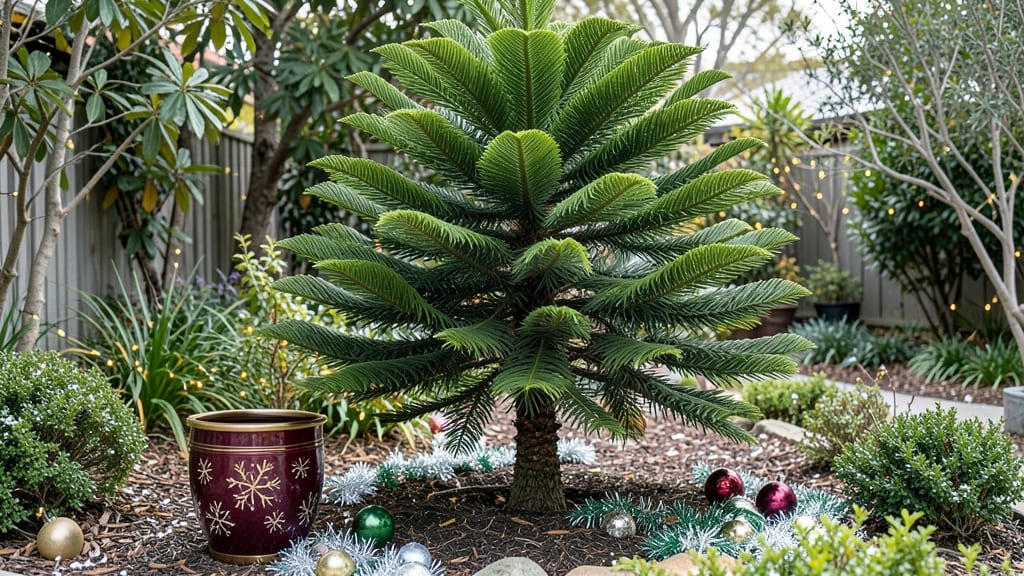
A Christmas tree in a flower pot brings holiday cheer year-round without the seasonal hassle. 🌲 The key is choosing the right evergreen—Nandina domestica or dwarf Alberta spruce—and shaping it with simple pruning techniques that keep it lush and compact.
Start with a pot 12-18 inches wide (deeper for spruces) and well-draining soil mixed with perlite. Prune in late winter to remove dead growth and shape the canopy, but avoid heavy cuts—just trim to encourage bushier growth. My Nandina thrives with minimal pruning, just a few snips each year.
By summer, you’ll have a vibrant, full tree that doubles as both garden centerpiece and holiday decor. The foliage stays green through winter, and with the right placement, it becomes a focal point in any space—indoor or out. For extra flair, add seasonal accents like pinecones or fairy lights.
The same tree works as a living holiday tree for years, saving money and reducing waste. Here’s how to make it happen!
📚 In This Guide
- What you need
- Instructions
- Tips and common mistakes
- Wrapping up and next steps
What you need
- ● Flower pot: Choose a large, well-draining container (18–24" diameter) with drainage holes. Terracotta or ceramic works best for airflow.
- ● Christmas tree sapling: Opt for a dwarf or potted Norfolk Island pine, Fraser fir, or pre-bonsai spruce (3–5 ft tall). Nurseries often sell "living Christmas trees" in pots!
- ● High-quality potting mix: Use a lightweight, acidic blend (pH 4.5–6.0) like a pine-tree-specific mix or a 50/50 combo of peat moss and perlite.
- ○ Slow-release fertilizer: A balanced, acid-loving plant fertilizer (e.g., 10-10-10 or 14-14-14) with micronutrients. Optional but helpful.
- ○ Mulch (optional): Pine bark fines or sphagnum moss to retain moisture and mimic forest floor conditions.
- ● Pruning shears: Bypass pruners (sharp, clean, and sanitized with rubbing alcohol) for clean cuts.
- ● Hand pruners: For smaller branches (if your tree is compact).
- ● Gloves: Garden gloves to protect hands from sap and thorns (if using spruce).
- ● Watering can: With a rose attachment for gentle, deep watering.
- ● Spray bottle: For misting foliage in dry climates.
- ○ Support stakes (optional): If your tree is top-heavy, use bamboo stakes and soft ties for stability.
- ● ✅ Sunlight: Ensure your pot gets 4–6 hours of indirect sunlight daily (avoid harsh afternoon sun).
- ● ✅ Watering routine: Keep soil evenly moist but not soggy—water when the top 1–2" of soil feels dry.
- ● ✅ Humidity: Group pots together or use a humidifier in winter to combat dry indoor air.
- ● 💡 Pro tip: If repurposing a holiday tree, check for pests (like spider mites) before potting!
Step-by-step instructions for growing a Christmas tree in a flower pot
Here's how to keep your potted Christmas tree thriving all year with simple care.
🌱 Step 1: Choose the Right Tree and Pot
Select a dwarf or container-friendly Christmas tree variety like the Nana or Teddy series—these stay under 6 feet tall and handle potted life well. Avoid full-size trees; their roots need too much space to thrive in a pot. Pick a container with drainage holes at least 18 inches deep and 12 inches wide for your first year.
I like to use a decorative pot with a cache pot inside for better drainage. Fill the cache pot with 3-4 inches of gravel or broken pottery first—this keeps roots from sitting in water. The extra depth gives roots room to grow downward without circling, which weakens the tree over time.
🪴 Step 2: Plant and Prepare the Soil
Use a high-quality evergreen potting mix (never garden soil—it compacts in pots). Mix in 20% perlite or pumice to improve drainage. Fill the pot to 2 inches from the rim, leaving room for mulch. Gently remove the tree from its nursery pot and loosen any circling roots with your fingers.
Place the tree in the center of the pot, then backfill with soil, pressing lightly to remove air pockets. The root flare (where the roots meet the trunk) should sit 1 inch below the soil surface. Water thoroughly until it drains from the bottom holes—this settles the soil and removes air gaps. I always add 1 cup of slow-release fertilizer to the top inch of soil after planting.
☀️ Step 3: Position for Light and Water Correctly
Christmas trees need 6-8 hours of sunlight daily, preferably morning sun and afternoon shade in hot climates. A south-facing spot works best, but avoid harsh afternoon sun that can scorch needles. If indoors, place near a bright window or under grow lights for 12-14 hours daily.
Water when the top 2 inches of soil feel dry. Stick your finger in—if it comes out clean, it's time to water. Overwatering is the #1 killer of potted trees; yellow needles usually mean soggy roots. I water deeply until it drains, then empty the saucer after 10 minutes to prevent root rot.
✂️ Step 4: Prune and Fertilize for Year-Round Health
Prune in late winter or early spring before new growth starts. Remove any dead, broken, or crossing branches with clean bypass pruners. Cut just outside the branch collar (the swollen area where the branch meets the trunk). Never cut more than 25% of the tree's foliage at once—this stresses the tree and can kill it.
Fertilize every 6-8 weeks during growing season with a balanced evergreen fertilizer (like 10-10-10). I mix the fertilizer into the top inch of soil and water it in. In fall, switch to a low-nitrogen fertilizer to help the tree prepare for dormancy. Mulch with 2-3 inches of bark mulch to retain moisture and regulate soil temperature.
⏰ Step 5: Protect Through Seasonal Changes
In winter, move potted trees to a sheltered spot if temperatures drop below 15°F. A covered porch or garage works well. If you must bring it indoors, keep it near a window and mist the needles occasionally—indoor air is too dry for evergreens. Avoid heat vents or drafts, which dry out the foliage quickly.
In summer, check the pot weekly for water needs. Container soil dries out faster than ground soil. If you notice needle drop or yellowing, it's usually a sign of underwatering or overwatering. I always carry a small watering can with me when moving the pot around—consistency is key for potted trees.
Tips & tricks for perfect Christmas tree in flower pot
Growing a potted Christmas tree that thrives year-round takes a few thoughtful adjustments—here's how to avoid common pitfalls and keep your tree happy.
Pot Selection Wisdom: While the instructions recommend an 18-inch deep pot, consider adding a second cache pot if your tree shows signs of root circling after 2 years. This gives roots more room to expand downward naturally, preventing the "root-bound" stress that causes yellowing needles. I've seen trees double their lifespan with this simple upgrade—just add another 2-3 inches of gravel between pots.
Soil Mix Strategy: The 20% perlite recommendation is perfect, but I've found adding 1 tablespoon of mycorrhizal fungi to the soil mix at planting boosts root health dramatically. These beneficial fungi help roots absorb nutrients more efficiently, especially in container environments. It's an optional add-in that makes a noticeable difference in needle vibrancy.
Light Positioning: For indoor trees, supplement natural light with a full-spectrum LED grow light if you can't provide 12-14 hours daily. Position it 6-12 inches above the tree and use it for 4-6 hours in the evening to extend daylight. This mimics natural conditions and prevents that "leggy" growth pattern where trees stretch toward light sources.
Watering Consistency: The 2-inch soil dryness test works, but I've found using a moisture meter for potted trees prevents overwatering mistakes. Aim for 40-60% moisture in the root zone—any higher risks root rot, especially in winter when evaporation slows. Emptying the saucer after 10 minutes is crucial, but also check for water pooling in the cache pot's gravel layer.
Pro Tips for Christmas Tree In Flower Pot
- Growing a potted Christmas tree that thrives year-round takes a few thoughtful adjustments—here's how to avoid common pitfalls and keep your tree happy.
- Pot Selection Wisdom: While the instructions recommend an 18-inch deep pot, consider adding a second cache pot if your tree shows signs of root circling after 2 years.
- Soil Mix Strategy: The 20% perlite recommendation is perfect, but I've found adding 1 tablespoon of mycorrhizal fungi to the soil mix at planting boosts root health dramatically.
Frequently asked questions
Got questions about keeping your Christmas tree in a flower pot thriving year-round? We’ve got answers! Here are some of the most common queries—and how to tackle them with ease.
Can I keep a Christmas tree in a pot for more than one year?
With the right care, many evergreen trees (like Norfolk Island pines or dwarf Alberta spruces) can live in pots for years. Just ensure the pot has drainage, use well-draining soil, and fertilize lightly in spring and summer. Rotate the pot occasionally for even growth.
How do I transition my potted Christmas tree from indoors to outdoors?
Acclimate your tree gradually over 7–10 days by moving it outside for a few hours daily, increasing exposure slowly. Avoid direct sunlight or frost at first. In winter, keep it in a sheltered spot (like a garage or covered porch) if temperatures drop below 20°F. Use a frost cloth for extra protection.
What’s the best soil mix for a potted Christmas tree?
Use a lightweight, fast-draining mix like 50% peat moss or coconut coir, 30% perlite/pumice, and 20% compost. Avoid heavy garden soil—it compacted easily and causes root rot. For acid-loving trees (e.g., pines), add a handful of sulfur to the mix.
Do I need to prune a potted Christmas tree differently than a ground-planted one?
Yes! Prune lightly in late winter or early spring to shape and remove dead branches. Avoid heavy pruning—it stresses potted trees. Use clean, sharp shears and seal cuts with pruning wax to prevent disease. Pro tip: Trim only 10–15% of the foliage per year to maintain health.
Why are the needles turning brown on my potted Christmas tree?
Brown needles often signal drought stress, overwatering, or cold drafts. Check the soil moisture (top inch should be dry); adjust watering habits. If indoors, avoid heating vents or AC units nearby. Outdoors, ensure the pot isn’t exposed to harsh winds or freezing temps. A nutrient flush with iron or magnesium can help revive yellowing.
Can I decorate my potted Christmas tree while it’s still alive?
Yes, but go easy! Skip heavy ornaments, lights, or tinsel that can damage branches. Opt for lightweight, natural decorations (like pinecones or fabric ribbons). Avoid synthetic sprays or flammable materials near foliage. If decorating outdoors, remove decorations before heavy rain or snow to prevent mold.
Wrapping up and next steps
Transforming your Christmas tree into a year-round centerpiece with minimal pruning is easier—and more magical—than you think! 🌲✨ With the right tools, techniques, and a little creativity, you can enjoy its lush beauty well beyond the holidays.
Whether you’re pruning for shape, health, or seasonal style, the key is patience and consistency.
Ready to give your tree new life? Start by observing its growth and pruning in small batches—this keeps the process manageable and stress-free. Next, experiment with seasonal styling: add fairy lights for winter charm, fresh greenery for spring, or even blooms for summer flair.
Your tree will thank you with vibrant health, and your home will glow with year-round holiday spirit!