
Trees
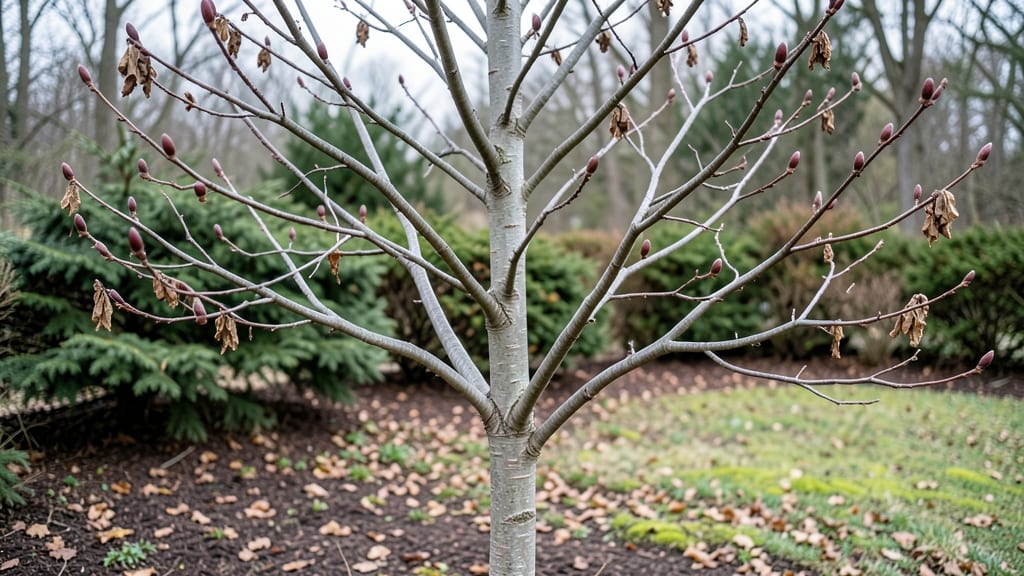
A bare dogwood tree without leaves isn’t a death sentence—it’s often a fixable puzzle. 🌳 I’ve nursed back several over the years, and the key is separating stress from disease, then acting fast.
Most homeowners assume it’s always a fungal infection, but drought, poor soil, or even over-pruning could be the real culprits.
Start by checking the bark for cracks (dry stress) or black spots (disease), then inspect the roots for girdling. If it’s a pruning mistake, you’ll see uneven growth—thin branches on one side, thick on the other.
The good news? Dogwoods bounce back fast with the right care, whether it’s water deep and infrequent or a targeted fungicide spray.
📚 In This Guide
- What you need
- Instructions
- Tips and common mistakes
- Wrapping up and next steps
What you need
- ● Pruning shears – Bypass pruners (sharp, 6-8" blades) for clean cuts on small branches. Anvil pruners are okay for thicker branches but can crush stems.
- ● Loppers – 10-14" long, for medium-sized branches (½" to 2" in diameter). Look for ratcheting or bypass styles for precision.
- ● Pruning saw – Curved-tooth or folding saw for branches thicker than 2". A bow saw or pruning saw with a 20-24" blade works best.
- ● Gloves – Heavy-duty, cut-resistant gloves (e.g., mechanics’ or pruning gloves) to protect hands from thorns and sharp edges.
- ● Ladder – Sturdy, extendable ladder (20-30 ft) with non-slip feet and stabilizer bars. A step ladder works for shorter trees.
- ● Disinfectant – 70% isopropyl alcohol or bleach solution (1 part bleach to 9 parts water) to sterilize tools between cuts and prevent disease spread.
- ● Rubbing alcohol or hand sanitizer – For cleaning hands post-pruning.
- ● Trash bags or bucket – Heavy-duty bags (30+ gallon) or a 5-gallon bucket for collecting pruned branches.
- ● Marking twine or flags – Colored twine or small fabric flags to tag branches for removal or shaping.
- ● Safety gear – Safety glasses, long sleeves/pants, and closed-toe shoes to protect from debris and thorns.
- ● Tree wound dressing – Pruning sealant (controversial but useful for large cuts to prevent disease entry). Note: Many experts recommend skipping this for dogwoods.
- ● Extension pole – 10-15 ft telescoping pole with a pruner attachment for high branches (reduces ladder use).
- ● String trimmer or hedge shears – For shaping dense foliage or ground-level cleanup.
- ● Camera or phone – To document your tree’s transformation before/after!
- ● Hot cocoa or iced tea – Because pruning is hard work, and you deserve a reward! ☕🍹
- ● Knowledge of dogwood anatomy – Familiarize yourself with dogwood tree without leaves growth habits, including water sprouts, suckers, and dead/diseased wood.
- ● Weather check – Prune on a dry, calm day (avoid wind or rain). Early morning or late afternoon is ideal.
- ● Tree health assessment – Inspect for diseases (e.g., anthracnose), pests, or structural weaknesses before cutting.
- ● Plan your cuts – Sketch a rough outline of your vision or use twine/flags to mark branches for removal.
Instructions: how to maintain a dogwood tree without leaves
Here's the method I rely on to keep your dogwood looking elegant year-round—no leaves required.
✂️ Step 1: Understand the Natural Cycle
Dogwoods naturally lose leaves in winter, but if yours is bare unexpectedly, it might be stressed. First, check for cankers or dead branches—these appear as sunken, discolored areas on the bark. Healthy bark should be smooth and grayish-brown. If you find dead wood, prune it back to the nearest healthy bud or branch collar.
Here's the thing—dogwoods are deciduous, meaning they shed leaves annually. But if your tree is perpetually bare, it could signal disease, pests, or environmental stress. Look for signs like yellowing leaves before fall or thin, sparse foliage—these are red flags. I always start by assessing the tree’s overall health before assuming it’s a pruning issue.
✂️ Step 2: Prune for Structure and Airflow
Prune in late winter or early spring, before new growth appears. Use clean, sharp pruners to make cuts just outside the branch collar—the swollen area where the branch meets the trunk. This prevents damage to the tree and encourages faster healing. Remove any crossing, rubbing, or dead branches first, as these can weaken the tree and invite pests.
Thin out the canopy by removing 20-30% of the smallest branches to improve airflow. This reduces humidity in the tree, which helps prevent fungal diseases like anthracnose—a common issue for dogwoods. You’ll see a more open, graceful shape that lets light penetrate to the inner branches, encouraging even growth.
💧 Step 3: Adjust Watering and Soil Care
Dogwoods need consistent moisture, especially in the first year after planting. Water deeply once a week during dry spells, ensuring the soil is moist 6 inches down. Mulch around the base with 2-3 inches of organic mulch (like shredded bark) to retain moisture and regulate soil temperature. Keep the mulch 6 inches away from the trunk to avoid rot.
If your dogwood’s soil is too compacted or poor, amend it with compost or well-rotted manure in early spring. Dogwoods prefer slightly acidic soil with a pH of 4.5-6.0. Test your soil if you suspect nutrient deficiencies—yellowing leaves or stunted growth often point to phosphorus or potassium shortages.
☀️ Step 4: Protect Against Pests and Disease
Dogwoods are prone to powdery mildew and borers, which can defoliate the tree. To prevent powdery mildew, avoid overhead watering and ensure good airflow. If you spot white, powdery spots on leaves, treat with neem oil or fungicide in early spring before new growth starts. For borers, look for sawdust-like frass or holes in the bark—these pests tunnel into the wood, weakening the tree.
Here’s what I do: I inspect the tree annually in late winter for signs of infestation. If borers are present, apply systemic insecticide or introduce beneficial insects like parasitic wasps. Healthy, stress-free dogwoods are less susceptible to pests, so focus on proper pruning, watering, and soil care first.
⏰ Step 5: Monitor and Maintain Year-Round
After pruning and treating for pests, keep an eye on your dogwood’s progress. In early spring, you should see new buds forming along the branches. If buds appear but don’t open, it could signal drought stress or nutrient deficiency. Water deeply and apply a balanced fertilizer to encourage growth.
Real talk: Dogwoods are slow growers, so don’t expect dramatic changes overnight. However, with consistent care, you’ll see a stronger, more resilient tree over time. I recommend a seasonal check-up**—prune in winter, fertilize in spring, and monitor for pests in summer. This keeps your dogwood looking graceful, even without leaves.
Tips & tricks for maintaining a graceful dogwood year-round
These practical insights will help you keep your dogwood looking elegant without leaves—no guesswork required.
Pruning Precision: When pruning in late winter or early spring (as instructed), focus on making clean cuts just outside the branch collar. This small detail prevents damage to the tree's healing response. I've seen many dogwoods suffer from improper pruning cuts that leave unsightly stubs—always use sharp pruners and make the cut at a slight angle to help water run off. The goal is to maintain that elegant, natural shape while promoting healthy growth.
Seasonal Care Calendar: Create a simple seasonal checklist: prune in late winter, fertilize in early spring, and monitor for pests in summer. This keeps your dogwood's care routine consistent. I've found that trees with predictable maintenance schedules show fewer signs of stress. For example, the late winter pruning (Step 2) gives the tree time to heal before spring growth begins, while the early spring fertilization (Step 5) provides the nutrients needed for new buds to form properly.
Soil Health Check: Test your soil's pH annually—dogwoods thrive in slightly acidic soil (pH 4.5-6.0). If your tree shows signs of nutrient deficiency (like yellowing leaves), amend the soil with compost or well-rotted manure in early spring. I've seen dramatic improvements in tree health after just one season of proper soil care. Remember to keep that 2-3 inch layer of organic mulch (like shredded bark) around the base, but maintain the 6-inch clearance from the trunk to prevent rot.
Pest Prevention Strategy: The annual late winter inspection for borers and powdery mildew (Step 4) is your best defense. Look for those telltale signs—sawdust-like frass or white powdery spots—and treat immediately. I've saved many dogwoods from severe infestations by catching these early. For powdery mildew prevention, avoid overhead watering completely—water at the base instead. This simple adjustment can make a huge difference in keeping your tree healthy.
Pro Tips for Dogwood Tree Without Leaves
- These practical insights will help you keep your dogwood looking elegant without leaves—no guesswork required.
- Pruning Precision: When pruning in late winter or early spring (as instructed), focus on making clean cuts just outsi...
- Seasonal Care Calendar: Create a simple seasonal checklist: prune in late winter, fertilize in early spring, and moni...
Frequently asked questions
Got questions about your dogwood tree losing its leaves? You’re not alone!
Whether you’re troubleshooting, planning ahead, or just curious about seasonal changes, here are some of the most common questions—and straightforward answers—to keep your tree thriving.
Why is my dogwood tree dropping leaves in the middle of summer?
A dogwood tree may shed leaves unexpectedly due to stress factors like overwatering, underwatering, extreme heat, or pest infestations (e.g., dogwood borers). If the issue persists, check the soil moisture and inspect the trunk/branches for signs of damage. Pro tip: Mulch properly and water deeply but infrequently to stabilize conditions.
Is it normal for dogwood trees to lose leaves in winter?
Yes! Dogwoods are deciduous, meaning they naturally drop leaves in fall to conserve energy during dormancy. However, if leaves fall before winter or stay brown and crispy, it could signal disease (like anthracnose) or environmental stress. Prune dead branches in late winter to encourage fresh growth.
Can I prune a dogwood tree without leaves to encourage new growth?
Late winter or early spring (when the tree is still dormant) is the best time to prune. Remove dead, diseased, or crossing branches first, then shape the tree to improve airflow. Avoid heavy pruning—stick to <25% of the canopy—to prevent shock. Use sharp tools and sterilize them with rubbing alcohol to avoid spreading pathogens.
What are some alternatives to dogwood trees if mine keeps losing leaves?
If your dogwood struggles with leaf loss, consider these low-maintenance, leaf-retaining alternatives:
- Serviceberry (Amelanchier) – Tolerates partial shade and has stunning spring blooms.
- Oakleaf Hydrangea (Hydrangea quercifolia) – Deciduous but retains some foliage interest year-round.
- Japanese Maple (Acer palmatum) – Offers vibrant fall color and compact growth.
- Evergreen Dogwood (Cornus florida ‘Cherokee Brave’) – A hybrid with better disease resistance.
How do I tell if my dogwood tree is dying vs. just dormant?
Use this quick checklist to diagnose:
Sign
Dormant (Normal)
Dying (Concerning)
Bark
Smooth, intact
Cracked, peeling, or oozing sap
Branches
Dry but firm
Brittle, falling off easily, or hollow
New Growth
Sprouts in spring
No buds or stunted growth
Wrapping up and next steps
A dogwood tree without leaves can still be a stunning focal point in your landscape—with the right pruning techniques and care! 🌿 Whether you’re embracing its natural winter beauty or shaping it for year-round appeal, understanding seasonal needs and proper trimming is key.
Now that you’re armed with tips and tricks, why not take action?
🌱 Your Next Step: Plan & Prune!
Start by inspecting your tree’s structure this season—note any dead branches or overgrowth. Spring or early fall is the perfect time to prune for optimal health and shape. Grab your tools, follow the guidelines, and give your dogwood the love it deserves. Happy gardening!