
Pruning
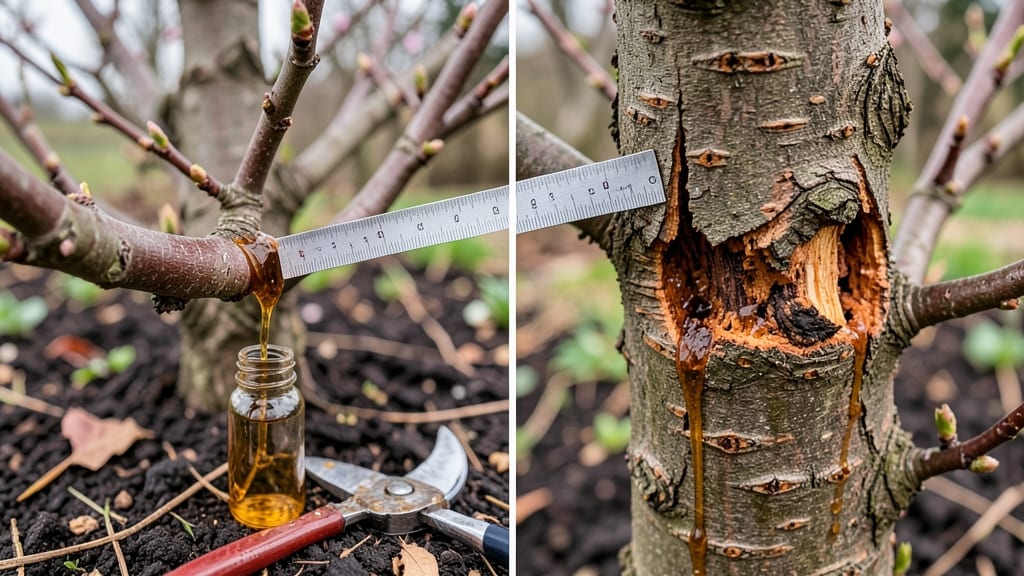
That sticky mess the sap leaking from your cherry tree isn’t just annoying—it’s a sign your tree is under stress. 🌿 Whether it’s from pests, disease, or even pruning gone wrong, the sap flow can weaken your tree and hurt next year’s harvest if left unchecked.
The good news? Most causes have simple fixes, and I’ve learned which ones work best from years of dealing with my own overzealous pruning mistakes.
First, identify the culprit: sap often leaks after physical damage (like pruning cuts), pest infestations (such as borers), or fungal infections. I’ve seen trees with sap oozing from cracks or holes—these are red flags.
The key is acting fast: clean cuts heal better, pests need monitoring, and fungal spots require targeted treatment. Ignoring it? That’s how you end up with a tree that struggles to fruit.
You’ll stop the flow with proper sealing (use pruning sealant on fresh cuts), removing damaged branches, and treating pests organically. My trees now stay healthy with a mix of copper fungicide and neem oil—no more sticky surprises.
The best part? A well-cared-for cherry tree rewards you with sweeter fruit and fewer headaches down the line.
When to call in a pro? If the sap flow is heavy, the bark is peeling, or you spot large holes—these could mean deeper issues like borer infestations or disease.
But for most home gardeners, a little elbow grease and the right tools make all the difference. Let’s get that tree back in shape!
Understanding Sap Leak Causes
Sap leaking from your cherry tree isn’t just messy—it can signal deeper issues that may harm your tree’s health or fruit production. Let’s break down the real reasons this happens, so you can address the root of the problem (literally and figuratively).
The cambium layer—a thin, living tissue between the bark and wood—is your cherry tree’s growth engine. When it’s overactive (often due to rapid growth spurts or warm weather), it produces excess sap to fuel expansion.
This is especially common in: - Young, fast-growing trees (under 5 years old) - Trees recovering from stress (like drought or transplant shock) - Springtime, when sap flows naturally to prepare for new leaves and fruit
Why it matters: While some sap flow is normal, heavy leaks can weaken the tree, attract pests, or even lead to bacterial infections if sap pools on wounds.
Any cut, crack, or injury to the bark exposes the cambium, triggering a defensive sap response.
Common culprits include: - Improper pruning cuts (too deep, jagged, or near buds) - Animal damage (squirrels, deer, or rodents gnawing bark) - Hail, wind, or ice storms (splitting branches or bark) - Mechanical injury (lawnmowers, weed whackers, or tools scraping the trunk)
Why it matters: Sap isn’t just a leak—it’s the tree’s first aid. But if the wound isn’t treated, it can become a gateway for diseases like silver leaf fungus or bacterial canker.
Cherry trees are sensitive to temperature swings, especially in early spring or late fall. Sudden changes can:
- Disrupt sap flow regulation, causing leaks
- Weaken cell walls, making them more prone to rupture
- Trigger frost cracks (vertical splits in bark from rapid freezing/thawing)
Hot or cold extremes? Both can stress the tree:
- Heatwaves increase metabolic activity, overproducing sap.
- Freeze-thaw cycles cause bark to expand and contract, creating leaks.
Pro tip: 🌡️ If your area has unpredictable weather, monitor your tree closely after temperature drops or spikes.
Pests and pathogens don’t just damage cherry trees—they force them to leak sap as a survival response.
Watch for: - Boring insects (emerald ash borer, bark beetles) tunneling under the bark - Sap-sucking pests (aphids, scale insects) creating sticky honeydew trails - Fungal infections (like silver leaf disease) clogging vascular tissue - Bacterial canker (causing oozing, sunken wounds)
Why it matters: Chronic sap loss starves the tree of nutrients, leading to poor fruit set or even death in severe cases.
Too much or too little water throws off the tree’s balance, leading to sap leaks:
- Underwatering → Cells shrink, causing cambium tears when the tree expands.
- Overwatering → Roots suffocate, starving the tree of oxygen and forcing emergency sap production.
Signs of water stress: ✅ Wilting leaves (even when soil is wet) ✅ Yellowing or browning foliage ✅ Soft, spongy bark (from rot)
Pro tip: 💡 Test soil moisture before watering—stick your finger 2 inches deep. If it’s dry, water deeply; if soggy, hold off.
Cherry trees need balanced nutrition to regulate sap flow.
Deficiencies or excesses in key nutrients can trigger leaks: - High nitrogen → Overgrowth + excessive sap production. - Low potassium → Weak cell structure, leading to leaks during stress. - Magnesium/calcium deficiencies → Poor bark integrity, making it prone to splitting.
How to check: 📊 Soil test kits (available at garden centers) reveal deficiencies. 🌱 Leaf analysis (send samples to a lab for precise data).
Sometimes, sap leaks are a symptom of deeper problems, like:
- Root girdling (roots growing in circles, restricting flow)
- Root rot (from overwatering or poor drainage)
- Trunk or branch decay (fungal or internal rot)
Red flags: ⚠️ Mushrooms at the base (sign of rot) ⚠️ Uneven growth (one side of the tree struggling) ⚠️ Sap leaking from the base (not just branches)
Sap leaks are rarely random—they’re your tree’s SOS signal. By identifying the real cause (stress, damage, pests, or imbalance), you can stop the flow and restore your cherry tree’s health before it’s too late.
Next up: How to Fix It with step-by-step solutions tailored to each cause.
Fixing Sap Leaks in Cherry Trees
If your cherry tree is weeping sap like a springtime fountain, don’t panic—there are practical ways to stop the flow and protect your tree’s health. Below, we’ll break down the most common causes of sap leaks and provide step-by-step fixes tailored to each issue.
Plus, we’ll share prevention tips to keep your tree happy and productive.
Cause: Aggressive pruning, improper cuts, or physical damage (like animal scratches or tools) can trigger excessive sap flow.
How to Fix It: 🔥 Seal the Wound
- Use pruning sealant (like Tanglefoot Tree Wound Pruning Sealer) on fresh cuts to prevent sap oozing and bacterial entry.
- Apply a thin layer with a brush—don’t overdo it, or it can suffocate the tree.
🍳 Prune Correctly Next Time
- Trim only during dormancy (late winter/early spring for cherries).
- Make clean cuts at a 45-degree angle, just outside the branch collar (the swollen area where the branch meets the trunk).
- Avoid topping (cutting back to a stub)—it stresses the tree.
👨🍳 Protect Against Pests & Animals
- Wrap the trunk with tree guard (like hardware cloth) to deter rabbits, deer, or rodents from gnawing.
- For minor scratches, smooth rough edges with a sharp knife and seal lightly.
Cause: Sap leaks can signal silver leaf disease, bacterial canker, or fungal infections, which weaken the tree’s defenses.
How to Fix It: 🔪 Identify the Issue First
- Silver leaf? Look for silvery undersides on leaves and dark streaks in the wood.
- Bacterial canker? Check for oozing cankers (sunken, gummy areas) and leaf wilting.
- Fungal? Yellowing leaves, moldy growth, or powdery spots may appear.
⏰ Treat with Fungicides/Bactericides
- For silver leaf, prune infected branches 12 inches below the damage and sterilize tools with rubbing alcohol.
- Spray with copper-based fungicide (like Bordeaux mixture) or streptomycin (for bacterial canker) before buds swell in early spring.
- Remove all infected debris from the area to prevent spread.
💡 Prevention Tip:
- Water at the base (avoid wetting foliage) to reduce fungal spores.
- Space trees properly for airflow—crowded trees stay damp and disease-prone.
Cause: Drought, poor soil, or extreme weather can cause sap to leak as the tree struggles to transport nutrients.
How to Fix It: 🌧️ Improve Soil & Watering
- Test soil pH (cherries prefer 6.0–6.5). Amend with sulfur (to lower pH) or lime (to raise it) if needed.
- Mulch deeply (3–4 inches of wood chips) but keep mulch 6 inches away from the trunk to prevent rot.
- Water deeply but infrequently—1–2 inches per week during dry spells. Use drip irrigation to avoid wetting leaves.
💪 Support Weakened Trees
- If the tree is young or newly planted, stake it lightly to prevent wind damage.
- Apply a balanced fertilizer (like 10-10-10) in early spring to boost energy.
🎯 Prevention Tip:
- Avoid compacting soil around roots—use stepping stones or boards in garden beds.
- Mulch in fall to insulate roots from temperature swings.
Cause: Insects like aphids or bark borers pierce the bark, disrupting sap flow and attracting fungal infections.
How to Fix It: 🐜 Spot & Squash the Pests
- Aphids? Blast them off with a strong spray of water or use neem oil.
- Scale insects? Scrape off with a plastic scraper (metal can damage bark) and treat with horticultural oil.
- Bark borers? Look for D-shaped holes—drill out larvae with a screwdriver and fill holes with caulk.
🔥 Prevent Future Infestations
- Encourage natural predators like ladybugs with native plants (e.g., dill, fennel).
- Inspect trees in early spring before pests multiply.
To keep your cherry tree leak-free and thriving: ✅ Prune properly (timing + technique matter!) ✅ Monitor for pests (weekly checks in growing season) ✅ Maintain soil health (test pH, mulch, fertilize) ✅ Water wisely (deep, infrequent soakings) ✅ Seal wounds quickly (pruning sealant or caulk)
Remember: A little sap now and then is normal (especially after pruning), but persistent leaks mean your tree is crying for help. Act fast, and your cherry tree will reward you with juicy fruit and years of healthy growth! 🍒🌿
Frequently asked questions
Is a little sap leakage normal for cherry trees?
Yes, some sap flow is completely normal—especially after pruning or during spring growth spurts. The tree produces sap as part of its natural healing process. However, if you see heavy, persistent leaks (like dripping sap or large sticky patches), that’s a sign of stress or damage that needs attention.
What’s the fastest way to stop sap from dripping?
For immediate relief, use pruning sealant (like Tanglefoot) on fresh wounds or cracks. Apply a thin layer with a brush to seal the area and prevent further sap loss. For deeper issues like pests or disease, you’ll need targeted treatment—sealing alone won’t fix the root cause.
Can I use regular paint or caulk to seal sap leaks?
No—regular paint or household caulk won’t work. These materials can suffocate the tree or trap moisture, leading to rot. Always use a tree-safe pruning sealant designed for bark wounds. Look for products labeled for fruit trees to avoid chemical harm.
How do I tell if sap leaks are from pests vs. pruning?
Pest-related leaks often have small holes, sawdust-like frass (insect droppings), or sticky honeydew trails. Pruning-related leaks appear as large, clean wounds with no additional damage. Check the bark closely—pests leave behind physical signs like tunnels or chewed edges.
Will sealing sap leaks help my cherry tree produce more fruit?
Yes! Stopping sap loss prevents nutrient drain and reduces stress, which helps the tree focus energy on fruit production. A healthy tree with sealed wounds is more likely to set abundant, high-quality cherries. Just ensure you’re addressing the underlying cause (like pests or disease) for long-term benefits.