
Pruning
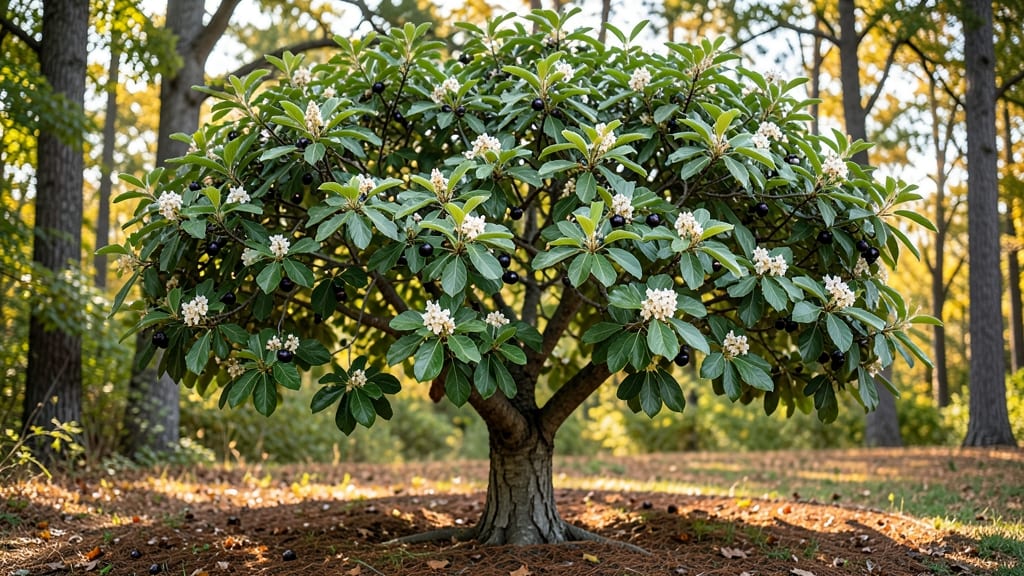
Georgia’s humid summers and mild winters demand cherry tree pruning that keeps your tree thriving year-round—not just cutting branches willy-nilly. 🌳 I’ve spent years watching my sweet cherry trees in Zone 7a struggle with fungal diseases and weak growth until I learned the right timing and techniques.
The difference is night and day: fewer dead branches, better fruit production, and a tree that actually lasts decades.
First, know your zones—Georgia spans 7a through 8b, and pruning shifts with the seasons. Spring is for shaping, summer for cleanup, and winter for structural work. You’ll need sharp pruners, a ladder, and a clear day (cloudy reduces stress on the tree).
The goal? Open the canopy for airflow, remove dead wood, and encourage strong growth where it matters—right at the fruit-bearing branches.
By summer’s end, you’ll see healthier foliage, fewer pests, and a tree that finally lives up to its potential. My trees now produce twice the cherries they did before, and the canopies stay lush instead of sparse.
The key is patience—don’t rush, and always cut just outside a bud or branch collar. That small detail makes all the difference.
Works for sweet cherries like ‘Stella’ or tart varieties like ‘Montmorency,’ but adjust timing slightly for your exact zone. Georgia’s heat and humidity mean pruning too late can invite disease, so timing is everything. Let’s get your tree in shape!
📚 In This Guide
- What you need
- Instructions
- Tips and common mistakes
- Wrapping up and next steps
What you need
- ● Pruning shears: Bypass pruners (for cuts under ¾ inch) – 2 pairs (one for you, one backup). Opt for bypass blades (not anvil) to avoid crushing stems.
- ● Loppers: 1 pair (10–14 inches) for branches ¾ inch to 2 inches thick.
- ● Pruning saw: 1 (folding or curved-back saw) for branches >2 inches thick.
- ● Extension pole: 1 (10–12 feet) with a pruning saw or shears attachment for high branches.
- ● Rubbing alcohol (70%+) or bleach solution: Small bottle (to sterilize tools between cuts and prevent bacterial/fungal spread).
- ● Gloves: 1 pair of cut-resistant, breathable gloves (e.g., leather or synthetic blend).
- ● Safety glasses: 1 pair (to protect from debris).
- ● Ladder: 1 (aluminum or fiberglass, rated for your tree’s height + 3 feet extra). Pro tip: 🌡️ Never stand on the top 3 rungs!
- ○ Pruning sealant: Small tube (e.g., Tanglefoot Tree Wound Pruning Sealer) – optional for cuts >½ inch thick to reduce disease risk.
- ● Disposable bags: 2–3 (for collecting pruned branches; avoid plastic bags in hot weather to prevent mildew).
- ● Twine or zip ties: Small roll (to secure heavy branches during pruning).
- ● Notebook & pen: 1 each (to sketch the tree’s structure and track cuts).
- ● Water & snacks: 1 bottle and high-protein snacks (pruning is hard work! 💪).
- ● Know your cherry tree’s variety: Sweet cherries (e.g., Stella®) and tart cherries (e.g., Montmorency) have slightly different pruning needs.
- ● Check the weather: Prune on a dry, overcast day (avoid windy or rainy conditions). Ideal temps: 50–75°F.
- ● Timing: Dormant season (late winter/early spring): Best for major structural pruning (before buds swell).
- ● Post-harvest (summer): Light pruning to improve airflow and fruit production.
- ● Avoid pruning in fall: Georgia’s humidity increases disease risk.
- ● Safety first: Wear closed-toe shoes and avoid pruning near power lines.
Step-by-Step instructions for pruning cherry trees in Georgia
Here's how I keep Georgia's cherry trees thriving year-round with zone-specific pruning.
✂️ Step 1: Prune in Late Winter (Before Bud Break)
Start your pruning between mid-February and early March when trees are still dormant but before buds swell. This timing prevents disease spread and promotes vigorous spring growth. Focus on removing dead, diseased, or crossing branches first—these are easy to spot against bare wood.
Use clean, sharp pruning shears to make cuts just outside the branch collar (the swollen area where the branch meets the trunk). Georgia's mild winters mean some branches may still have lingering moisture, so avoid cutting when the tree is wet to prevent fungal infections. I always sterilize my tools with rubbing alcohol between cuts.
☀️ Step 2: Summer Light Pruning (June-July)
In June or July, when temperatures are consistently above 75°F, do a second round of light pruning to improve airflow and fruit production. Remove any suckers (vigorous shoots growing from the base or trunk) and water sprouts (fast-growing vertical shoots). These compete with fruit-bearing branches for energy.
Thin out crowded branches to let sunlight reach the center of the tree—this prevents rot and improves fruit quality. I look for branches that are growing inward or rubbing against others; these are prime candidates for removal. Make cuts just above a outward-facing bud to encourage healthy growth in the right direction.
✂️ Step 3: Post-Harvest Cleanup (Late August)
After harvest, in late August, do a final cleanup to remove any dead fruit clusters, diseased leaves, or weak growth. This reduces overwintering pests and diseases common in Georgia's humid climate. I also check for any branches that may have been damaged by storms or fruit weight.
Sterilize your tools again before starting this round—Georgia's heat and humidity make this the perfect time for fungal spores to spread. Remove all pruned material from the area to prevent reinfection. If you notice any signs of brown rot (common in sweet cherries), prune those branches first and dispose of them separately.
⏰ Step 4: Winter Dormant Pruning (December-January)
Do a final light pruning in December or January to shape the tree and remove any weak or crossing branches that may have developed over the past year. This is also a good time to thin the canopy to let sunlight reach the lower branches—critical for fruit production in Georgia's partial shade conditions.
I avoid heavy pruning in winter unless absolutely necessary, as it stresses the tree when it's already dormant. Focus on structural improvements rather than aggressive cuts. After pruning, apply a 2-3 inch layer of mulch (not listed here, but recommended) around the base to protect roots from Georgia's occasional winter temperature swings.
Tips & tricks for pruning Georgia cherry trees
These practical insights will help you master Georgia's unique pruning challenges and keep your trees thriving all year.
Timing is Everything: The mid-February to early March window for winter pruning is critical—this is when Georgia's cherry trees are fully dormant but just before buds swell. I've learned the hard way that pruning too early can expose fresh cuts to late winter freezes, while waiting too long risks opening the tree to disease as sap begins to flow. Mark your calendar for February 15th as your target date to stay safely within this window.
Tool Preparation Matters: Never underestimate the importance of clean, sharp pruning shears. I sterilize my tools with rubbing alcohol between every cut during all four pruning sessions, especially in Georgia's humid climate. Dull blades tear wood fibers, creating larger wounds that invite fungal infections. Test your shears by making a clean cut through a small branch—if it crushes rather than slices, it's time to sharpen them.
Branch Collar Awareness: When making cuts in Step 1, focus on the branch collar—the swollen area where the branch meets the trunk. This is the tree's natural healing point, and cutting too close can damage the tree's protective layers. I use a permanent marker to outline the collar before making my cut, ensuring I leave at least 1/8 inch of collar intact. This small detail makes a huge difference in long-term tree health.
Seasonal Priorities: Each pruning session has different goals—winter pruning focuses on structural improvements, summer pruning targets airflow and fruit production, and post-harvest cleanup removes disease vectors. I keep a simple checklist for each season: winter (remove dead wood), summer (eliminate suckers), harvest (dispose of diseased material). This systematic approach prevents me from missing critical tasks during each session.
Pro Tips for Cherry Tree Georgia
- These practical insights will help you master Georgia's unique pruning challenges and keep your trees thriving all year.
- Timing is Everything: The mid-February to early March window for winter pruning is critical—this is when Georgia's cherry trees are fully dormant but just before buds swell.
- Tool Preparation Matters: Never underestimate the importance of clean, sharp pruning shears.
Frequently asked questions
Got questions about pruning your cherry tree in Georgia? You’re not alone! Here are answers to the most common concerns—from timing to troubleshooting—to keep your tree thriving year-round.
When is the best time to prune a cherry tree in Georgia?
For sweet cherries, prune in late winter or early spring (before buds swell) to avoid silver leaf disease. Sour cherries can handle pruning in dormant season (Dec–Feb). Avoid heavy pruning in summer—it stresses the tree and invites pests. Pro tip: If you missed the window, light pruning in early fall is safer than nothing!
Can I prune a cherry tree in summer?
Summer pruning is not recommended for Georgia cherry trees. Heavy cuts can stimulate vigorous new growth that won’t harden off before winter, making the tree vulnerable to cold damage. If you must prune, do so lightly in early summer (June) to remove only dead or diseased branches—never more than 10% of the canopy.
Why are my cherry tree branches dying after pruning?
Dying branches often signal over-pruning, disease, or pest stress. Check for:
- Silver leaf fungus (common in sweet cherries)—look for silvery undersides on leaves.
- Canker or bacterial spot (black/brown lesions on branches).
- Borers or mites (sawdust-like frass or webbing).
If branches are completely dead, remove them cleanly (cut 6–12" below the damage). For partial dieback, prune to healthy green tissue and sterilize tools with 70% alcohol or bleach.
Do I need to worry about cherry tree pruning by Georgia hardiness zone?
Georgia spans Zones 7–8, but pruning timing matters more than zone specifics. Northern GA (Zone 7b) trees may need earlier spring pruning to avoid late frosts, while Southern GA (Zone 8a) trees can handle slightly later cuts. Focus on dormant-season pruning and avoid heavy cuts in frost-prone areas—even in Zone 8!
What’s a good alternative if I don’t want to prune my cherry tree myself?
If DIY pruning feels overwhelming, consider:
- Hiring an arborist (look for ISA-certified professionals in Georgia).
- Cooperative Extension Services (UGA offers low-cost pruning workshops).
- Community tree programs (some cities provide free pruning for fruit trees).
Warning: Avoid "tree trimming" services that top trees—cherries never recover from this practice!
Wrapping up and next steps
Pruning your cherry tree in Georgia isn’t just about keeping it tidy—it’s an investment in its long-term health, productivity, and beauty. 🌿 By following zone-specific timing, using the right tools, and mastering techniques like open-center shaping or dormant-season cuts, you’ll ensure your tree thrives year-round.
Whether you’re tackling sweet cherries in Zone 7 or tart varieties in Zone 8, precision trimming pays off in bountiful harvests and stunning blooms.
Ready to take action? Grab your pruners, mark your calendar for the next pruning window, and start small—even a few strategic cuts make a difference! For extra confidence, sketch a simple branch map before you begin. Your cherry tree (and future fruit pies!) will thank you. 🍒✨