
Landscaping
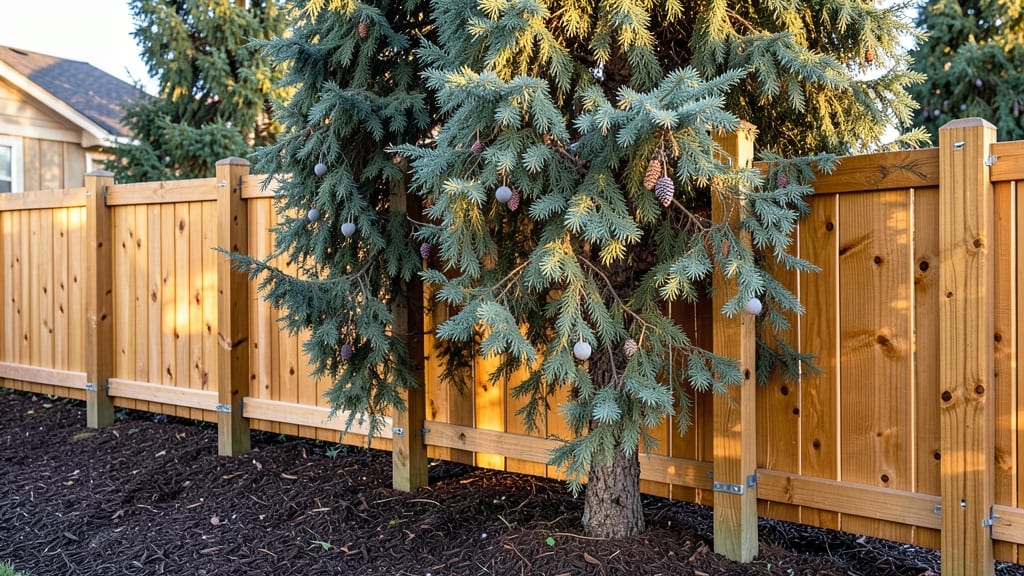
A cedar tree privacy fence transforms your yard into a serene, secluded retreat without a single board. 🌲 I planted mine five years ago, and now they form an impenetrable, fragrant green wall that blocks noise, wind, and prying eyes—while adding value to my home.
These evergreens thrive in most climates, growing 3-4 feet per year with minimal fuss. They prefer well-draining soil and partial sun, but even in less-than-ideal spots, they stay lush and full. The key is spacing them 6-8 feet apart at planting to allow airflow and prevent overcrowding as they mature.
By year three, you’ll have a 10-12 foot tall living barrier that smells amazing when brushed against. The dense foliage muffles traffic noise, and the natural shape softens harsh property lines. Plus, cedars resist deer and pests better than many alternatives.
Works for urban backyards, rural borders, or even as a windbreak. Here’s how to make it happen—without the headaches of traditional fencing.
📚 In This Guide
- What you need
- Instructions
- Tips and common mistakes
- Wrapping up and next steps
What you need
- ● Cedar fence boards: 6–8 ft tall, 6–12 in wide, and 1 in thick (quantity depends on fence length and height—calculate ~10–15 boards per 10 ft of fence). Tip: Choose Western Red Cedar for natural rot resistance!
- ● Pressure-treated lumber for posts: 4x4 or 6x6 (10–12 ft long, spaced every 6–8 ft).
- ● Galvanized or stainless steel hardware: 3 in deck screws (for boards) and 5 in deck screws (for posts), plus corner braces.
- ● Concrete mix (60 lb bags, ~2–3 bags per post) or gravel for post bases.
- ● Measuring tape, chalk line, and level (critical for straight, sturdy fences!).
- ● Post hole digger or auger (manual or rented).
- ● Circular saw or miter saw for cutting cedar boards.
- ● Drill/driver (with impact setting for screws), hammer, and speed square.
- ● Wheelbarrow (for mixing concrete) and gloves/safety glasses.
- ● Landscape fabric (to block weeds between boards).
- ● Wood sealant (for extra weather protection).
- ● Post caps (decorative or functional to deter pests).
- ● String trimmer (for finishing edges neatly).
How to plant a cedar tree privacy screen for year-round beauty
Here's the straightforward method I've used to create lush, evergreen screens that stay vibrant through all four seasons.
🌱 Step 1: Choose the Right Cedar Variety and Planting Location
For a privacy screen, I recommend Thuja occidentalis (American arborvitae) or Thuja plicata (Western red cedar) because they grow densely and maintain their foliage year-round. These varieties tolerate a range of soil types but thrive best in well-draining soil with a pH between 6.0 and 7.5.
Select a location with full sun to partial shade—at least 6 hours of direct sunlight daily ensures healthy growth. Avoid low spots where water pools, as cedars hate soggy roots. Measure your desired screen height and mark planting spots 12-15 feet apart for mature spacing. This ensures the trees will eventually touch, creating an unbroken barrier.
🪴 Step 2: Prepare the Planting Holes and Soil
Dig holes twice as wide as the root ball and as deep as the container the cedars came in. This gives roots room to spread without circling, which can strangle growth. I like to loosen the soil at the bottom of each hole with a garden fork to encourage root penetration.
Amend the native soil with 2-3 inches of compost mixed into the bottom of each hole. This boosts nutrient availability without overwhelming the young trees. Avoid heavy fertilizers at planting—they can burn tender roots. Water each hole deeply before placing the tree in, letting the soil settle slightly.
☀️ Step 3: Plant and Stake for Stability
Remove the tree from its container and gently loosen the roots if they're circling. Place the tree in the hole so the top of the root ball sits 1-2 inches above ground level—this prevents rot when soil settles. Fill the hole with native soil, tamping lightly every 3-4 inches to eliminate air pockets.
Water the tree deeply until water runs out the bottom of the hole, then add 2-3 inches of mulch (wood chips or shredded bark) around the base, keeping it 6 inches away from the trunk. Stake the tree only if it leans—use two stakes on opposite sides and secure with soft ties. Avoid burying stakes too deeply, as they can girdle the trunk as it grows.
💧 Step 4: Water and Maintain Through the First Year
Water newly planted cedars deeply once a week for the first year, providing 1-2 gallons per tree each time. You'll know they're getting enough moisture when the soil feels damp 3-4 inches down—probe with your finger to check. Overwatering is worse than underwatering; cedars prefer slightly dry conditions once established.
Fertilize lightly in early spring with a balanced, slow-release fertilizer (10-10-10) applied around the drip line. Avoid high-nitrogen fertilizers, which promote leafy growth at the expense of root development. Prune only to shape the tree in early spring—never cut into old wood, as cedars won't regenerate from those cuts.
⏰ Step 5: Monitor Growth and Adjust Spacing as Needed
Cedars grow 12-24 inches per year, so check their height and spacing annually. If gaps appear between trees by year three, consider adding one or two intermediate plants (like Emerald Green arborvitae) to fill spaces. These faster-growing varieties bridge the gap until your original screen matures.
Watch for browning tips or needle drop—this often signals overwatering, poor drainage, or fungal issues. If you notice these signs, reduce watering and improve airflow around the base. With proper care, your cedar screen will fill in beautifully within 5-7 years, providing year-round privacy and a lush, green backdrop for your property.
Tips & tricks for perfect cedar tree privacy fences
These simple strategies will help you create a thriving, evergreen screen that looks stunning year after year.
Variety Selection: When choosing between Thuja occidentalis and Thuja plicata, consider your climate. Thuja plicata handles wetter conditions better, while Thuja occidentalis thrives in drier areas. For faster growth, opt for Emerald Green arborvitae as intermediate plants—they grow about 6-12 inches per year, helping fill gaps between your main cedars.
Soil Prep Secret: Before mixing in that 2-3 inches of compost, test your soil's pH. Cedar trees prefer 6.0-7.5, but if your soil is too acidic, add lime to adjust it before planting. I've seen cedars struggle in overly acidic soil, even with proper watering. A simple soil test kit from your local garden center solves this problem.
Planting Depth Tip: That 1-2 inches above ground level rule is crucial—it prevents rot from settling soil. I've seen many gardeners plant too deep, which causes the trunk to rot over time. Use a level to ensure all trees sit at the same height. A small wooden stake marked with the correct depth helps maintain consistency across multiple trees.
Watering Wisdom: The 1-2 gallons per tree weekly guideline works best when applied slowly. Use a soaker hose or drip irrigation to deliver water directly to the root zone. This prevents runoff and ensures the moisture reaches 3-4 inches down where the roots need it most. Watering in the morning lets excess moisture evaporate before evening, reducing fungal risks.
Pro Tips for Cedar Tree Privacy Fence
- These simple strategies will help you create a thriving, evergreen screen that looks stunning year after year.
- Variety Selection: When choosing between Thuja occidentalis and Thuja plicata, consider your climate.
- Soil Prep Secret: Before mixing in that 2-3 inches of compost, test your soil's pH.
Frequently asked questions
Got questions about creating a stunning cedar tree privacy fence? You’re not alone! Here are answers to the most common queries to help you plan with confidence.
When is the best time to plant a cedar tree fence?
The ideal time to plant cedar trees for a privacy fence is early spring or fall. These seasons offer mild temperatures and adequate rainfall, giving young trees the best chance to establish strong roots before extreme weather hits. Avoid planting in summer heat or winter frost—both can stress the trees and slow growth.
How much does a cedar tree privacy fence cost?
Costs vary based on tree size, spacing, and whether you DIY or hire a pro. On average, expect to pay $2–$10 per tree for small saplings, while mature trees (6–8 feet tall) can range from $20–$50+ each. Add $1–$3 per square foot for soil amendments, mulch, and installation labor if needed. Pro tip: Buying in bulk or during off-season sales can trim costs!
How close can cedar trees be planted for a dense fence?
For a tight, fast-growing privacy screen, space cedar trees 3–5 feet apart. This balance allows roots to expand without overcrowding while ensuring foliage fills gaps within 3–5 years. Thinner spacing (2–3 feet) speeds up privacy but may require pruning to prevent overgrowth. Tip: Use a string line to mark planting spots for even spacing!
What are some alternatives if cedar trees aren’t available?
If cedars aren’t an option, consider these evergreen alternatives for privacy:
- Arborvitae (Thuja): Fast-growing, deer-resistant, and perfect for hedges.
- Leyland Cypress: Tall and dense, but needs pruning to control width.
- Bamboo (clumping varieties): Quick privacy but may require containment.
- Privacy shrubs like Boxwood or Holly: Slower-growing but low-maintenance.
Each has unique care needs, so research before committing!
Why are my cedar trees turning brown or losing needles?
Brown needles or needle drop in cedars often signal drought stress, pests (like bagworms or spider mites), or fungal issues. First, check soil moisture—cedars prefer well-draining but consistently moist soil. If pests are the culprit, use neem oil or insecticidal soap for organic control. Fungal diseases (like cedar blight) may require fungicides or pruning affected branches. Pro tip: Mulch around the base to retain moisture and prevent soil-borne diseases!
Do cedar trees need winter care?
Cedars are hardy and typically low-maintenance in winter, but a little care goes a long way:
- Mulch around the base (2–3 inches) to insulate roots from freezing.
- Water deeply before the first hard frost if your area has dry winters.
- Avoid heavy pruning in late winter—wait until early spring for best results.
Young trees may benefit from burlap wraps in extreme wind or ice zones to prevent damage. Most cedars bounce back quickly in spring!
Wrapping up and next steps
A cedar tree privacy fence isn’t just a screen—it’s a living masterpiece that brings beauty, privacy, and resilience to your outdoor space year-round. 🌲 With low maintenance, natural pest resistance, and that signature aromatic charm, cedar trees are the ultimate choice for a lush, evergreen barrier.
Whether you’re shielding your backyard from nosy neighbors or creating a serene retreat, this solution delivers both style and substance.
Ready to transform your property? Start by sketching your design, gathering materials, and reaching out to local nurseries for healthy cedar saplings. Your dream privacy oasis is just a few steps—and some green thumbs—away! 🌱