
Trees
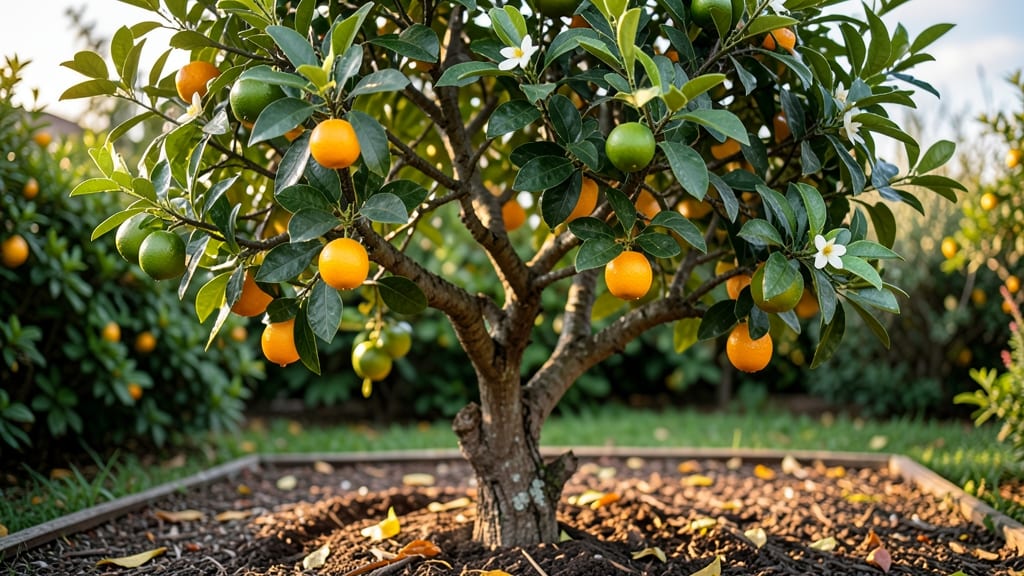
Those orange balls on your cedar tree aren’t just weird—they’re either harmless cedar berries or a sign of cedar apple rust, a fungal disease that can jump to your apple trees. 🌿 I’ve seen both up close, and the difference matters: berries are natural, while rust means trouble for nearby fruit trees.
Cedar berries look like tiny, waxy orange cones, while rust spores form bright orange clusters on cedar needles. The berries stay put year-round, but rust spores appear in spring and can spread to apples, causing ugly brown spots.
If you spot rust, act fast—pruning infected branches and using fungicide can stop the spread.
For the dye extraction you’re after, those orange berries are your goldmine. Simmer them in water for a rich, warm hue perfect for fabric or yarn. Just avoid the rusty-looking ones—they’ll stain your projects (and your trees) a different color entirely.
Here’s the good news: healthy cedar trees produce berries every year, giving you free dye season after season. If rust is the issue, clean up fallen spores in fall to keep next year’s harvest—and your apple trees—safe.
Nature’s Tiny Dye Factories
The bright orange spheres you’re spotting on cedar trees aren’t just quirky decorations—they’re a fascinating biological response to stress, disease, and environmental cues. Let’s break down the science behind these vibrant berries and why they appear when they do.
---
🍄 Cedar trees often produce orange "balls" (technically galls) when infected by fungi, particularly Valsa sordida or Leucostoma kunzei. These pathogens trigger abnormal cell growth in the tree’s bark, creating swollen, spherical structures packed with spores.
- How it works: The fungus injects enzymes that disrupt the tree’s normal growth hormones, causing tissues to proliferate into galls.
The orange hue comes from carotenoids—the same pigments that give carrots and pumpkins their color—as the tree’s immune system floods the area with antioxidants to isolate the infection. - Actionable insight: If you’re harvesting cedar for dye, avoid trees with excessive galls.
While the galls themselves can be used (they’re rich in tannins and pigments), overharvesting from infected trees can weaken the plant.
---
🐛 Cedar trees may also develop these orange clusters in response to insect attacks, such as from cedar bark beetles or sawfly larvae. The tree’s defensive mechanism kicks in, producing galls to trap and suffocate pests.
- How it works: Larvae inject saliva into the tree, stimulating gall formation. The tree’s vascular system redirects nutrients to the gall, creating a nutrient-rich prison for the intruder.
The bright color acts as a deterrent to other pests. - Actionable insight: If you notice sawdust-like frass (insect droppings) near the galls, the tree is under active siege. Harvest galls from lightly infested branches to avoid spreading pests.
---
🌡️ Extreme heat, drought, or poor soil conditions can trigger gall formation as a survival tactic. When a cedar tree is struggling, it may prioritize producing galls over leaves or sap, diverting energy to these high-pigment structures.
- How it works: Stress hormones like abscisic acid (ABA) signal the tree to produce galls, which contain high concentrations of flavonoids and tannins—compounds that act as natural sunscreen and antimicrobial agents. - Actionable insight: Trees in urban areas or drought-prone regions are more likely to develop galls.
If you’re foraging, prioritize trees in well-watered, shaded environments for healthier dye sources.
--- 🌳 Certain cedar varieties (like Juniperus virginiana, or Eastern Red Cedar) are genetically prone to gall formation, even without obvious stressors. This trait may have evolved as a way to attract pollinators or deter herbivores.
- How it works: The tree’s DNA encodes for overactive meristematic cells (growth cells) that respond aggressively to minor stimuli, like wind damage or even bird pecking, by forming galls. - Actionable insight: If you’re growing cedar for dye, choose varieties known for consistent gall production.
Hybrid trees or those in mixed forests may produce more vibrant orange galls due to cross-pollination effects.
--- ⏳ Galls typically appear in late summer to early fall, when the tree is gearing up for dormancy. This timing coincides with peak fungal spore release and insect activity, making it the perfect storm for gall formation.
- How it works: Cooler temperatures and shorter daylight hours signal the tree to shift resources toward survival structures like galls, which can persist through winter and release spores in spring. - Actionable insight: Harvest galls in September–October for the richest pigment concentration.
Overripe galls (shriveled or cracked) may yield weaker dye, so aim for firm, bright orange specimens.
--- Pro Tip: 💡 If you’re unsure whether the orange balls are galls or cedar berries (actual fruit), do a simple float test: Galls sink in water (dense, woody), while ripe berries float (soft, fleshy). Both can be used for dye, but galls pack a stronger pigment punch!
Fixing & Preventing Cedar Tree Issues
If your cedar tree is producing those mysterious orange balls—or if you’re dealing with pests, disease, or overgrowth—here’s how to address the problem while keeping your tree healthy and your crafting projects on track.
---
Orange balls on cedar trees are often cedar apple rust galls (fungal) or pests like bagworms. Here’s how to tackle them:
#### 🍳 Treat Fungal Infections (Cedar Apple Rust) 1. Prune Infected Branches 🪓 - Cut off branches with orange galls using sterilized pruners (wipe with rubbing alcohol). - Dispose of infected branches away from your compost to prevent spread.
2. Apply Fungicide 🛡️ - Use a copper-based fungicide (like Bordeaux mixture) or a neem oil spray (1 tsp neem oil + 1 tsp mild soap per quart of water). - Spray early spring and fall when spores are active.
3. Improve Airflow 🌬️ - Thin out dense foliage to reduce humidity, which fuels fungal growth.
#### 👨🍳 Eliminate Bagworms & Other Pests 1. Handpick & Crush Egg Sacs 🐛 - Look for small brown sacs on branches—these are bagworm eggs. Squish them between your fingers or burn them.
2. Use Insecticidal Soap 🧼 - Spray insecticidal soap (like Safer® Brand) on larvae in late summer when they’re most vulnerable.
3. Introduce Beneficial Predators 🐞 - Parasitic wasps (like Goniozus legneri) naturally control bagworms. Order them from garden centers.
---
Keep your cedar tree thriving with these long-term fixes:
#### 💡 Optimal Tree Care | Issue | Solution | |--------------------------|-----------------------------------------------------------------------------| | Overwatering | Water deeply but infrequently (1-2 times per week, depending on climate). | | Poor Soil Drainage | Amend soil with compost or sand to improve airflow to roots. | | Nutrient Deficiency | Fertilize in early spring with a balanced 10-10-10 formula. | | Overcrowded Branches | Prune 10-20% of branches annually to encourage airflow. |
#### 🎯 Disease & Pest Prevention - 🍄 Monitor for Early Signs – Check for yellowing leaves, sawdust-like frass (bagworm droppings), or orange swellings in spring. - 🌿 Mulch Properly – Use wood chips (not cedar mulch) 2-3 inches deep, keeping it 6 inches away from the trunk. - 🌱 Plant Resistant Varieties – If rust is recurrent, consider disease-resistant cedar species like Thuja occidentalis ‘Sunkist’.
---
If you’re collecting those orange cedar balls for dye, do it sustainably: - 🌿 Pick Only Fallen Galls – Never cut into live branches. - 🧼 Sterilize Your Tools – Use 70% isopropyl alcohol on scissors or pruners. - 🌱 Leave Some Behind – Don’t strip the tree; 10-15% of galls can remain for natural balance.
--- Pro Tip: 💡 The best time to harvest galls is late fall to early winter when they’re fully mature but before new growth starts in spring.
Frequently asked questions
Are those orange balls on my cedar tree actually berries?
Not quite! They're either cedar berries (technically cones) or fungal galls from cedar apple rust. The real "berries" are small, waxy, and stay on branches year-round, while rust galls appear orange and gelatinous in spring. Both can be used for dye, but rust-infected ones may spread to apple trees.
Can I use these orange cedar balls for natural dye?
Both cedar berries and galls work beautifully for dye. Simmer them in water for 1-2 hours to extract a warm orange-brown hue. Galls produce a richer color, while berries yield a softer tint. Always use stainless steel pots to avoid color transfer.
How do I tell if the orange balls are harmful to my tree?
Check for these signs: Gelatinous clusters on needles = cedar apple rust (harmful). Dry, woody orange balls = normal berries (harmless). If you see rust, prune infected branches immediately and apply copper fungicide to prevent spread to nearby fruit trees.
When is the best time to harvest these orange cedar balls?
Collect them in late fall to winter when they're fully mature. The best dye comes from firm, bright orange specimens. Avoid harvesting from stressed trees (look for yellow leaves or excessive gall formation), as this can weaken the tree's health.
Will these orange balls stain my hands or tools?
Yes, they can! The pigments are quite vibrant. Wear gloves when handling and clean tools immediately with warm, soapy water. For stubborn stains, a mix of baking soda and vinegar works wonders. Store harvested galls/berries in a paper bag to prevent staining other items.