
Diseases
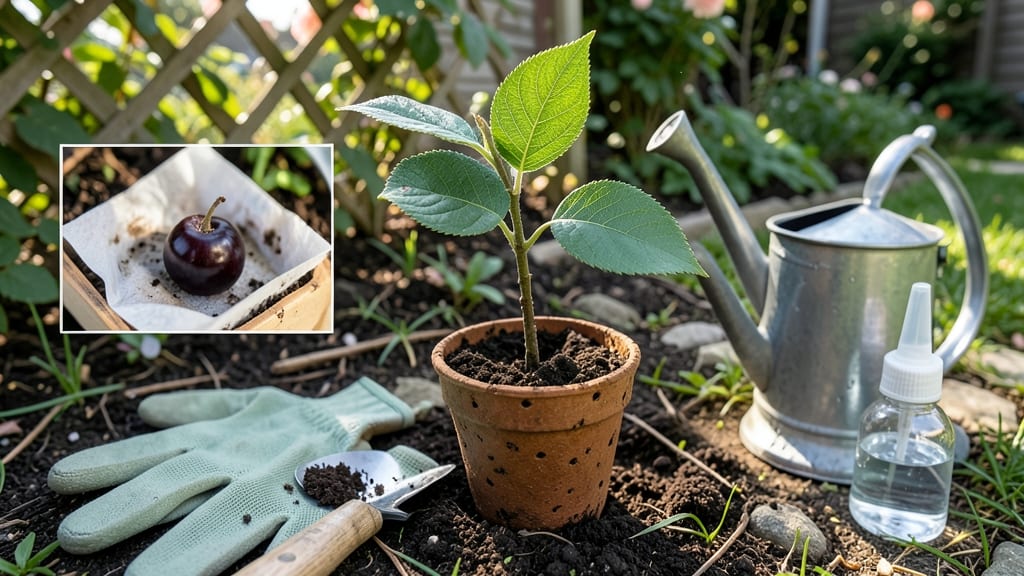
You can grow a cherry tree from a cherry seed, but the process is unpredictable: seeds need cold stratification for 60-90 days at 33-41°F, germination takes 4-12 weeks, and the resulting tree may never produce fruit like the parent—or may take 15-20 years to bear anything at all.
While it's possible to grow a cherry seed into a tree, the results are far from guaranteed. 🌱 The real challenge lies in the genetic variability—most seeds won't produce fruit identical to the parent plant, and many never fruit at all.
Even if you succeed, you're looking at a decade or more before you might see any cherries, if ever. I've seen gardeners get lucky with a few sweet surprises, but patience and the right conditions are absolutely essential for success.
For those eager to grow cherries, grafting a known variety onto a seedling rootstock is far more reliable. This method ensures you'll get the fruit you want, just without the long wait.
If you're determined to try from seed, start with fresh seeds from a healthy, organic cherry—just don't expect miracles!
💡 In This Article
- Cherry Seed Germination Process Explained
- Step-by-Step Guide to Planting Cherry Seeds
Cherry seed germination process explained
Cherry seeds enter a natural state called dormancy to survive harsh conditions, which is why they need cold stratification—a process mimicking winter's chilling effect. The seed's hard outer shell contains inhibitors that prevent premature sprouting.
When you place seeds in a moist medium at 33-41°F for 60-90 days, these inhibitors break down while the embryo gradually metabolizes stored nutrients. Think of it like waking a hibernating bear: too little cold keeps it sleeping, but too much can damage it.
The science gets even more fascinating: cherry seeds contain cyanogenic glycosides, compounds that release cyanide when damaged. This is nature's failsafe to prevent animals from eating unripe fruit.
During stratification, these compounds gradually degrade, allowing safe germination. 🌱 For best results, use seeds from fully ripe cherries (deep red color, slightly soft to touch) and avoid those from store-bought fruit, which are often treated with preservatives that inhibit growth.
Once stratified, germination rates vary wildly—some seeds sprout within 4-6 weeks, while others take 12 weeks or more. The key factors are moisture (keep medium damp but not soggy) and oxygen (use a well-draining mix like perlite and peat).
I've seen gardeners use everything from damp paper towels to refrigerated seed trays, but the most reliable method is the "moist sand in a sealed bag" approach, which maintains consistent humidity and temperature.
Here's where things get tricky: even if your seedling grows into a sturdy tree, it may never produce fruit resembling the parent. Cherry trees are heterozygous, meaning their genetic makeup combines traits from both parents.
When you grow from seed, you're essentially rolling the genetic dice—your tree might produce tart, small cherries or none at all. This is why professional orchards use grafting instead of seeds: it guarantees the exact variety you want.
For those who still want to try, start with sweet cherries (like Bing or Rainier) rather than sour varieties—they're more likely to produce edible fruit eventually. The first few years focus solely on nurturing strong roots and branches.
Remember, even if your tree never bears fruit, it will still grow into an attractive ornamental tree with delicate spring blossoms that bees adore.
What most people don't realize is how light affects germination. Cherry seeds need darkness to sprout—they're photoblastic, meaning light inhibits their growth. That's why planting them 1/4 inch deep in soil is crucial.
Once the first true leaves appear (not the initial seed leaves), you can gradually introduce them to sunlight, but only for short periods at first to prevent shock.