
How To
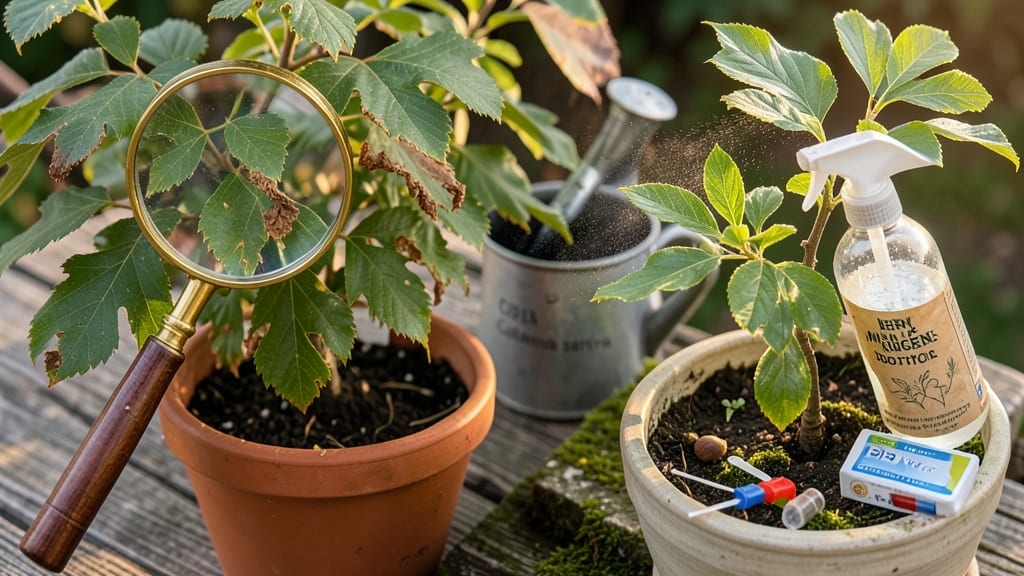
Those brown tips on the leaves of chestnut tree seedlings don’t mean you’ve lost them—just that they need a little rescue. 🌱 I’ve nursed back dozens of these tough young trees by focusing on three key areas: water, air circulation, and pruning.
The good news? You can often reverse the damage before it spreads to the whole plant.
Most brown tips start with either too much water (which chokes roots) or too little (which stresses the whole seedling). Check the soil—it should feel like a damp sponge, not a swamp or a dry brick.
Chestnut seedlings also hate stagnant air, so thin out nearby plants and prune any crowded branches. This simple step cuts down on fungal issues that worsen browning.
Here’s the game-changer: trim the damaged tips with clean, sharp pruners at a 45-degree angle. Cut just above a healthy leaf node, and you’ll encourage new growth in 2-4 weeks.
The new leaves will be a vibrant green, signaling the plant is bouncing back. This method works even if the tips are crispy—just don’t wait too long.
Prevent future issues by mulching around the base (2-3 inches of shredded bark) and watering deeply but infrequently. Chestnut seedlings are tough once they’re established, but they need consistent care in their first year. Stick with this routine, and you’ll see full, healthy leaves by next spring.
Root Causes Behind Leaf Damage
When your chestnut tree seedlings start showing brown tips on leaves, it’s often a cry for help from the plant. Understanding the underlying causes is the first step to restoring their health.
Below, we break down the most common reasons—each with a clear scientific explanation and actionable insights to address them.
Chestnut seedlings are sensitive to moisture imbalances, and brown leaf tips often signal either overwatering or underwatering. Here’s how each plays out:
- Overwatering:
Excess water displaces oxygen in the soil, suffocating roots and leading to anaerobic conditions. Without oxygen, roots can’t absorb nutrients efficiently, causing chlorosis (yellowing) followed by necrosis (browning) at the leaf edges. Fungal pathogens like Phytophthora thrive in soggy soil, further stressing the plant.
💡 Pro Tip: Stick your finger 1–2 inches into the soil—if it’s damp, hold off on watering. Chestnut seedlings prefer well-draining soil with a moisture level like a wrung-out sponge.
- Underwatering:
Inconsistent watering causes osmotic stress, where leaf cells lose turgor pressure and dry out from the edges inward. This creates the classic crispy, brown tips you’re seeing. Seedlings are especially vulnerable because their shallow root systems can’t access deep moisture.
💡 Pro Tip: Water deeply 2–3 times per week (more in extreme heat) and mulch with wood chips or straw to retain moisture. Early morning watering minimizes evaporation.
Chestnut seedlings are native to temperate climates and struggle when conditions veer too far from their comfort zone. Brown tips often appear as a response to:
- Low Humidity:
Air that’s too dry causes transpirational stress—water evaporates faster than roots can replace it, leading to desiccation at leaf margins. This is especially common in indoor seedlings or those in hot, arid climates.
💡 Pro Tip: Increase humidity with a pebble tray or mist seedlings lightly in the morning. Aim for 50–70% humidity around seedlings.
- Temperature Extremes:
Sudden drops below 40°F (4°C) or spikes above 90°F (32°C) can damage cell membranes, causing oxidative stress and browning. Cold stress also disrupts nutrient uptake, weakening the plant’s defenses.
💡 Pro Tip: Acclimate seedlings gradually to outdoor temps (a process called hardening off). Use shade cloth in summer and row covers in early spring/fall.
Brown tips can also signal mineral imbalances in the soil. Chestnut seedlings need a precise mix of nutrients, and even slight deficiencies or excesses can trigger leaf damage.
| Nutrient Issue | Symptoms | Cause | Fix |
|---|---|---|---|
| Potassium (K) Deficiency | Brown, scorched tips that spread inward; weak stems. | Poor soil, leaching from overwatering, or synthetic fertilizers high in nitrogen. | Apply potassium sulfate or wood ash (1 tbsp per gallon of water). Use compost tea for slow-release nutrients. |
| Magnesium (Mg) Deficiency | Brown tips with interveinal yellowing (between veins). | Acidic soil or heavy clay that locks out magnesium. | Add Epsom salt (1 tbsp per gallon of water) every 4–6 weeks. Test soil pH—aim for 6.0–7.0. |
| Chloride (Cl) or Salt Toxicity | Brown, crispy edges with a white crust on soil. | Over-fertilization, tap water with high chloride, or poor drainage. | Flush soil with rainwater (low in salts) and avoid synthetic fertilizers. Use organic matter to improve drainage. |
💡 Pro Tip: Conduct a soil test to identify deficiencies before treating. Chestnut seedlings thrive in slightly acidic to neutral soil with balanced NPK (e.g., 10-10-10 fertilizer).
While environmental factors are often to blame, pests and diseases can also cause brown tips by feeding on leaf tissue or blocking nutrient flow.
- Spider Mites
These tiny pests pierce cells to suck out sap, causing stippling and browning at leaf edges. They thrive in dry, hot conditions and are common on stressed seedlings.
💡 Pro Tip: Blast seedlings with water to dislodge mites, then apply neem oil (1 tsp per quart of water) weekly.
- Fungal Leaf Spot (e.g., Cercospora)
Fungal spores exploit wounded or waterlogged leaves, creating brown, circular lesions with yellow halos. Humid conditions accelerate spread.
💡 Pro Tip: Remove infected leaves immediately and space seedlings for airflow. Apply copper fungicide preventatively.
- Root Rot (Pythium or Phytophthora)
While root rot primarily affects roots, its symptoms often appear as brown, wilted leaf tips due to reduced water/nutrient transport. Mushy, discolored roots confirm the issue.
💡 Pro Tip: Repot in sterile, well-draining soil and treat with hydrogen peroxide (3%) to kill pathogens.
By pinpointing the exact cause—whether it’s water stress
Now that you’ve identified the cause of those pesky brown tips on your chestnut tree seedlings, it’s time to take action! 🌱 The good news? Most issues are reversible with the right care. Below, we’ve mapped out practical, step-by-step solutions tailored to the root cause—plus prevention tips to keep your seedlings thriving long-term. Fix It: Prevent It: Fix It: Prevent It: Fix It: Spray every 5–7 days until pests vanish. - Blast off aphids with a strong stream of water (do this in the morning). - For Fungal Issues: - Prune affected leaves with sterilized shears (🔪) and dispose of them. - Apply copper fungicide or a baking soda spray (1 tsp baking soda + 1 quart water + a drop of soap). Prevent It: Fix It: Apply Epsom salt (1 tbsp per gallon of water) or a chelated iron supplement. - Slow growth? → Nitrogen boost. Use a balanced fertilizer (10-10-10) diluted to half-strength. Prevent It: This encourages new growth. - Boost Immunity 💪: Feed with seaweed extract (rich in growth hormones) or fish emulsion (diluted) to strengthen seedlings. - Monitor Progress 📅: Check leaves weekly—healthy new growth should appear in 2–4 weeks with proper care. Remember: Patience is key! Chestnut seedlings are hardy but sensitive—once you address the root cause, they’ll bounce back with vibrant green leaves in no time. 🌟 Brown tips often appear from overwatering or low humidity, not underwatering. Check soil moisture by sticking your finger 1-2 inches deep—if it's damp, reduce watering. Chestnut seedlings need well-draining soil and prefer 50-70% humidity. Try a pebble tray or misting in the morning to increase moisture in the air. Not always—but act fast! If only the tips are brown, trim them back to healthy green tissue and adjust care. If most leaves are brown, check roots for rot (mushy smell = repot immediately). For partial browning, focus on fixing water/humidity issues and pruning damaged areas. New growth should appear in 2-4 weeks if the roots are healthy. Pest damage (like spider mites) shows as stippling or webbing on leaf undersides, while environmental stress causes uniform browning starting at leaf edges. Look closely: pests leave tiny holes or sticky residue, while dryness or overwatering creates crispy, dry edges. Treat pests with neem oil; fix environmental issues by adjusting water/humidity. Never fertilize stressed seedlings—it burns roots! Wait until you see new green growth (usually 2-3 weeks after fixing water/humidity). Once recovered, use a balanced fertilizer (10-10-10) diluted to half-strength. For deficiencies, try Epsom salt (magnesium) or chelated iron instead of general fertilizer. Brown tips are rarely permanent if you act quickly! Trim back damaged areas to healthy tissue, and monitor for new growth. If the seedling produces fresh green leaves within 3-4 weeks, it's recovering. Only if the entire leaf turns brown and wilts is the damage likely permanent. Always check roots first—they're the true indicator of plant health.Fixing Brown Tips Naturally
Frequently asked questions
Why do chestnut seedlings get brown tips even when I water them regularly?
Can I save a chestnut seedling with completely brown leaves?
What's the difference between brown tips from pests vs. environmental stress?
Should I fertilize chestnut seedlings with brown tips?
How do I know if my chestnut seedling's brown tips are permanent damage?