
Trees
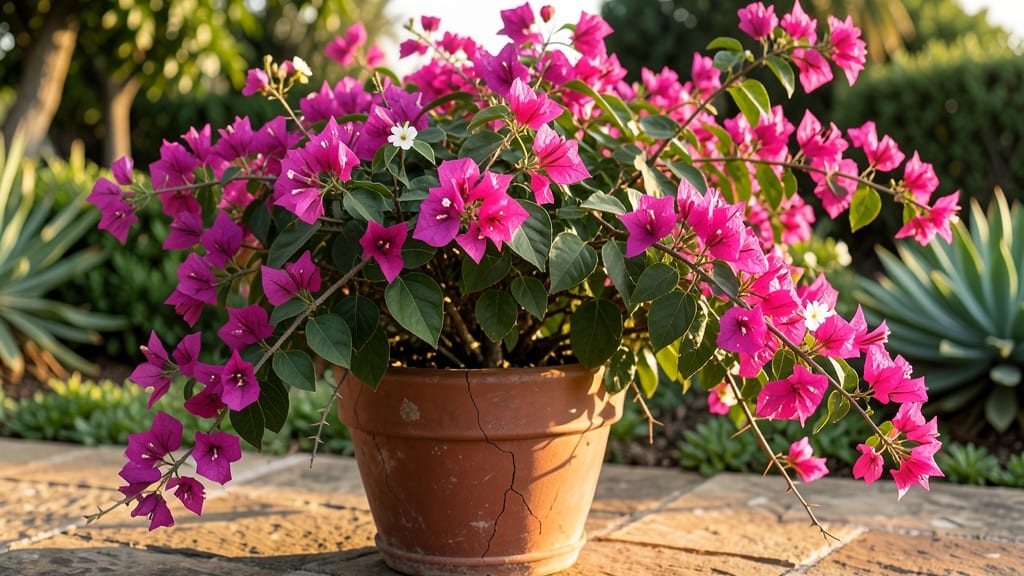
Growing a bougainvillea tree in Florida means turning your yard into a riot of color that never quits. 🌺 The key? Matching its love for heat and humidity while avoiding the pitfalls of Florida’s wet season.
I’ve grown mine for years, and the secret isn’t just full sun—it’s the right soil, smart pruning, and knowing when to let it go wild. Florida’s subtropical climate is bougainvillea’s dream come true, but that doesn’t mean it’s care-free.
You’ll need well-draining soil (mix in sand or gravel if yours is heavy), 6+ hours of direct sun daily, and a watering routine that mimics Florida’s dry spells—deep soaks, then letting it dry between waterings.
The real magic happens in late winter when you prune back the leggy growth, encouraging bushier, more vibrant blooms by spring. By summer, your bougainvillea will explode with pink, purple, or orange bracts that last until frost (which, let’s be honest, Florida rarely gets).
The trick to keeping it thriving is balancing water—too much and you risk root rot; too little and the leaves crisp in the heat. I’ve learned to check soil moisture with my finger: if the top inch is dry, it’s time to water. This isn’t just a plant—it’s a statement.
Whether you’re draping it over a fence or shaping it into a small tree, bougainvillea in Florida is low-maintenance drama that pays off all season long. Let’s get yours growing!
📚 In This Guide
- What you need
- Instructions
- Tips and common mistakes
- Wrapping up and next steps
What you need
- ● Bougainvillea plant: Choose between: Seedlings (from local nurseries like Fast-Growing Trees or Nature’s Garden)
- ● Cuttings (6–12 inches long, from a healthy, established plant)
- ● Mature bougainvillea (3–5 feet tall, for quicker blooms)
- ● Well-draining soil: Mix 2 parts native Florida soil with 1 part perlite or coarse sand (improves drainage and mimics native conditions).
- ● Fertilizer: A balanced, slow-release granular fertilizer (10-10-10 or 8-3-9) or organic compost (like fish emulsion or worm castings).
- ● Mulch: 3–4 inches of pine bark or wood chips (keeps roots cool and retains moisture).
- ● Garden trowel or shovel (for digging holes)
- ● Pruning shears (sharp, sterilized for clean cuts)
- ● Gloves (to protect hands from thorns)
- ● Watering can or hose with a gentle spray nozzle
- ○ pH testing kit (optional, to check soil acidity—bougainvillea prefers 6.0–7.0)
- ○ Support structure (optional: trellis, arbor, or stakes for climbing varieties like ‘San Diego Red’)
- ● Full sun location: At least 6–8 hours of direct sunlight daily (partial shade in extreme heat, like 100°F+, can help).
- ● Drought tolerance: Bougainvillea thrives in low-moisture conditions—overwatering is the #1 killer! 💦
- ● Frost-free zone: Florida’s USDA Zones 9–11 are ideal; protect young plants from rare cold snaps (below 30°F) with burlap wraps or move pots indoors.
Step-by-step instructions for planting and caring for bougainvillea in Florida
Here’s how to plant and nurture a vibrant bougainvillea that thrives in Florida’s heat and humidity.
🌱 Step 1: Choose the Right Location and Prepare the Soil
Bougainvillea craves full sun, so pick a spot that gets at least 6-8 hours of direct sunlight daily. In Florida’s intense heat, afternoon shade helps prevent leaf scorch, but morning sun is ideal for blooming. I always test the site by observing how long sunlight lingers—bougainvillea won’t tolerate even partial shade.
Amend the soil with 2-3 inches of organic matter like compost or aged manure to improve drainage. Florida’s sandy soils drain too quickly, so mix in a bit of coconut coir or peat moss to retain moisture. Dig a hole twice as wide as the root ball but only as deep—planting too deep suffocates roots. Loosen the sides of the hole with a shovel to encourage root spread.
🪴 Step 2: Plant and Water Deeply
Remove the bougainvillea from its container and gently tease the roots apart if they’re circling. Place the plant in the hole so the top of the root ball sits level with the surrounding soil—never bury the stem. Backfill with native soil mixed with your organic amendment, tamping lightly to remove air pockets.
Water deeply right after planting—soak the soil until it’s 6 inches down, then let it drain completely. Bougainvillea hates soggy roots, so avoid overhead watering, which can cause fungal issues. Instead, use a soaker hose or drip irrigation to deliver water slowly at the base. Mulch with 2-3 inches of pine bark to retain moisture and regulate soil temperature.
☀️ Step 3: Prune for Shape and Encourage Blooms
Prune bougainvillea after the last frost (around March in Florida) to shape the plant and stimulate new growth. Cut back one-third of the plant’s height, focusing on leggy or overcrowded stems. Always prune just above a leaf node—never at a joint—because bougainvillea blooms on new wood. I use clean, sharp pruners to avoid tearing the bark.
Deadhead spent blooms regularly to encourage continuous flowering. The vibrant bracts (what we call "flowers") fade quickly in Florida’s heat, so pinching them off redirects energy to new growth. Fertilize every 4-6 weeks with a balanced, slow-release fertilizer (10-10-10) during the growing season. Avoid high-nitrogen fertilizers—they promote leafy growth at the expense of blooms.
💧 Step 4: Maintain Through Florida’s Seasons
During Florida’s hot, dry summers, water 2-3 times per week—deeply each time—until the top 2 inches of soil feel dry. Overwatering is the biggest mistake; bougainvillea is drought-tolerant once established. Watch for yellowing leaves, a sign of overwatering or poor drainage, and adjust accordingly.
In winter, bougainvillea may go semi-dormant, but Florida’s mild winters usually spare it frost damage. If temperatures dip below 30°F, cover young plants with frost cloth or move potted bougainvillea indoors temporarily. Resume watering lightly once new growth appears in early spring—never let the soil dry out completely during dormancy.
✂️ Step 5: Protect and Revive as Needed
Bougainvillea attracts pests like scale insects and mealybugs, especially in Florida’s humid climate. Inspect leaves weekly for sticky residue or white cottony patches. Treat infestations with neem oil or insecticidal soap, applying in the early morning to avoid harming beneficial insects. Prune heavily infested stems immediately to contain the spread.
If your bougainvillea looks stressed—leaves yellowing, stems thinning—it might need rejuvenation pruning. In late winter, cut back half the plant to a strong set of buds. New growth will be bushier and more productive. Florida’s heat and humidity reward bold pruning, so don’t hesitate to shape aggressively. With the right care, your bougainvillea will reward you with year-round color and resilience.
Tips & tricks for thriving bougainvillea in Florida's climate
Here's what I've learned from years of growing bougainvillea in Florida's punishing heat—these tricks will keep your plant vibrant and blooming.
Sunlight Strategy: Florida's afternoon sun can be brutal, so I always plant bougainvillea where it gets morning sun and afternoon shade during peak summer months. The 6-8 hours of sunlight requirement is non-negotiable, but protecting leaves from the harshest rays prevents leaf scorch while maintaining that vibrant blooming we all want.
Soil Preparation Secret: Don't just dig a hole and plant—loosen the sides with your shovel to create a "root highway" for your bougainvillea. The 2-3 inches of organic matter we mix in becomes even more crucial in Florida's sandy soil. I've seen plants struggle when people skip this step, especially in our nutrient-poor native soils.
Watering Wisdom: That initial deep watering after planting (soaking 6 inches down) is critical, but the real test comes during Florida's dry season. I use a moisture meter to check when the top 2 inches are dry before watering again—this prevents both underwatering and the dreaded overwatering that causes root rot. The soaker hose method is a game-changer for Florida's intense heat.
Pruning Timing: March is perfect for Florida's climate, but if you miss it, don't panic. The key is to prune when you see new growth starting, not when it's already established. I've learned the hard way that waiting too long means sacrificing potential blooms for that season. Always cut back one-third—this might seem aggressive, but bougainvillea responds beautifully to bold pruning in Florida's heat.
Pro Tips for Bougainvillea Tree Florida
- Here's what I've learned from years of growing bougainvillea in Florida's punishing heat—these tricks will keep your plant vibrant and blooming.
- Sunlight Strategy: Florida's afternoon sun can be brutal, so I always plant bougainvillea where it gets morning sun and afternoon shade during peak summer months.
- Soil Preparation Secret: Don't just dig a hole and plant—loosen the sides with your shovel to create a "root highway" for your bougainvillea.
Frequently asked questions
Got questions about growing bougainvillea trees in Florida? You’re not alone! Here are some of the most common concerns—plus quick, practical answers to help your plant thrive in the Sunshine State’s climate.
Can bougainvillea survive Florida’s humidity and heat?
Bougainvillea is perfect for Florida’s climate. It thrives in heat (up to 100°F) and humidity, as long as it gets full sun (6+ hours daily) and well-draining soil. Just avoid soggy roots—mulch helps!
When is the best time to plant bougainvillea in Florida?
Plant in late winter or early spring (February–March) to let roots establish before summer’s intensity. If buying potted plants, transplant anytime except during extreme cold snaps (rare in most of Florida).
What pests or diseases should I watch for in Florida?
Common issues include:
- Scale insects (sticky residue on leaves) – Treat with horticultural oil.
- Spider mites (in dry heat) – Spray with water or neem oil.
- Root rot (from overwatering) – Ensure pots have drainage holes!
Florida’s humidity can also encourage fungal diseases—prune for airflow and avoid wetting foliage.
Can I grow bougainvillea in containers in Florida?
Yes! Containers are ideal for Florida’s variable weather. Use a large pot (15+ gallons) with drainage, a cactus/succulent mix, and fertilize monthly in growing season. Move pots indoors or to shade if temps drop below 30°F (rare but possible in North FL).
Why isn’t my bougainvillea flowering?
Florida’s long growing season can delay blooms, but try these fixes:
- Ensure it gets full sun (partial shade reduces flowers).
- Fertilize with low-nitrogen, high-phosphorus (e.g., 5-10-10) in spring/summer.
- Prune after flowering to encourage new growth.
Patience! Some varieties (like ‘San Diego Red’) bloom year-round with proper care.
Wrapping up and next steps
Growing a bougainvillea tree in Florida is a rewarding way to add vibrant color and tropical charm to your landscape—even in the heat and humidity! With the right soil, sunlight, and care, these hardy plants thrive year-round, offering stunning blooms that brighten any space. 🌺
Ready to transform your yard?
Start by choosing the perfect spot—sunny, well-drained soil is key—and follow the tips above to keep your bougainvillea happy. Next, grab your pruners and get growing! Whether you're a beginner or a seasoned gardener, your bougainvillea will thank you with a dazzling display of color.