
Featured
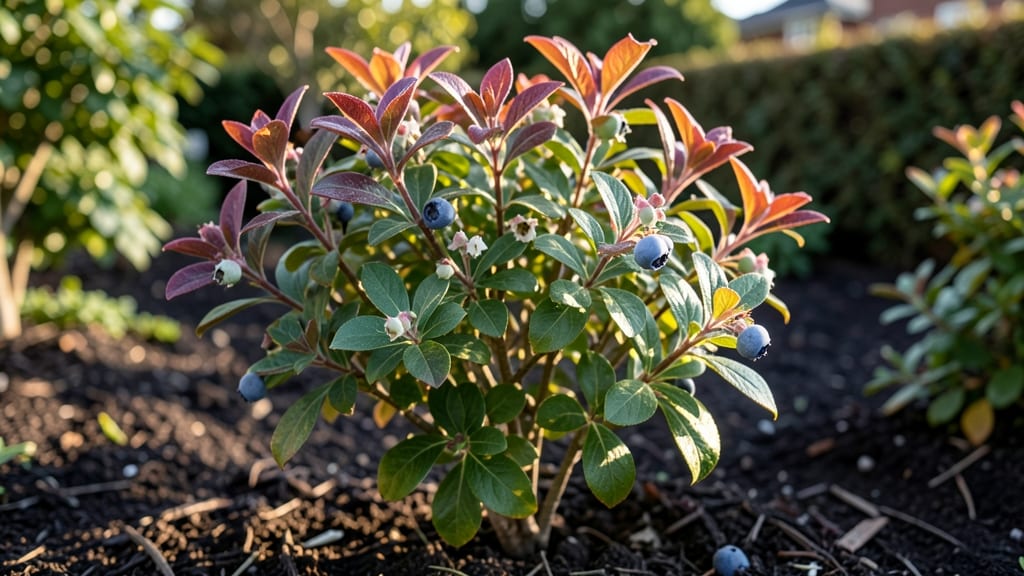
Blueberry tree leaves turning red isn’t always a red flag—sometimes it’s just nature’s way of showing off. 🌿 I’ve seen my bushes go from deep green to fiery red in late summer, and it’s usually nothing to worry about. But when it happens at the wrong time or looks unnatural, it could signal stress, disease, or missing nutrients like phosphorus or magnesium.
The good news? Most cases are fixable with simple adjustments. A quick soil test reveals what’s missing, and a balanced fertilizer or compost can restore that rich blueberry color.
If drought or temperature swings are to blame, consistent watering and mulch help stabilize the soil. Pruning affected leaves early prevents spread, and preventive care keeps future seasons vibrant.
By the end of this, you’ll know whether your tree’s red leaves are seasonal beauty or a cry for help. Healthy foliage means sweeter berries—so let’s get to the root of the problem.
The fix might be as simple as adjusting your watering schedule or adding a handful of Epsom salt for magnesium.
This works for both container-grown and in-ground blueberries, no matter your climate. Once you spot the difference between natural flush and trouble, your bushes will thank you with bigger harvests. Let’s turn that red into reason to celebrate, not worry.
Natural Triggers Behind Reddening Foliage
When your blueberry tree’s leaves blush a fiery red, it’s often a sign of nature’s own artistry at work. While it might seem alarming, these vibrant hues are usually harmless—and sometimes even beneficial.
Understanding the science behind this color shift helps you distinguish between normal seasonal changes and potential problems. Let’s break down the key reasons why blueberry leaves turn red, from genetics to environmental cues.
Some blueberry cultivars are genetically programmed to produce red or purple-tinged leaves, especially in cooler climates. This trait isn’t a flaw—it’s an evolutionary adaptation. The anthocyanins (the pigments responsible for red, purple, and blue hues) act as sunscreen for the leaves, protecting them from intense UV radiation.
In varieties like ‘Patriot’ or ‘Duke’, these pigments are more pronounced, turning leaves a striking red when temperatures dip or sunlight intensifies.
Pro tip: If your tree’s red leaves run in its family line, embrace the color! These varieties often thrive in northern climates and may even produce sweeter berries due to their stress-resistant traits. 🌡️
Blueberry leaves are sensitive to light exposure, and excessive sunlight—especially in hot, dry summers—can trigger a defensive reddening. When leaves absorb more light than they can process for photosynthesis, they produce anthocyanins to shield delicate chlorophyll.
This is common in young, thin leaves or trees planted in full sun without gradual acclimation.
Look for these clues:
- Leaves turn red only on the sun-exposed sides (e.g., southern or western branches).
- The reddening appears mid-to-late summer, peaking in heatwaves.
- Berries may show signs of sunburn (white or yellow patches).
Actionable fix: Provide afternoon shade with shade cloth (30–50% coverage) or prune to open the canopy for better airflow. Mulch with organic matter to retain soil moisture and reduce heat stress. 🌿
Blueberry trees are hardy, but sudden temperature drops—especially in spring or fall—can shock the leaves into producing anthocyanins. Cold nights followed by warm days create a "temperature stress" that accelerates pigment production.
This is why you might see red leaves in early spring (as buds break) or late fall (before dormancy).
Key indicators:
- Reddening occurs uniformly across the tree, not just in patches.
- New growth (tips of branches) turns red first.
- The tree recovers once temperatures stabilize.
Pro tip: If red leaves appear in spring, delay heavy pruning until after the last frost to avoid exposing tender tissue to cold. In fall, apply a light layer of mulch to insulate roots and leaves from temperature swings. ❄️
Blueberry trees despise soggy roots but also suffer when soil dries out too quickly. Both extremes can disrupt nutrient uptake, leading to red leaves as a distress signal. Drought stress forces leaves to conserve water, while overwatering suffocates roots, cutting off oxygen and nutrients.
| Drought Stress | Overwatering Stress |
|---|---|
|
|
Solutions:
- For drought: Water deeply 2–3 times per week (1–1.5 inches per session) and mulch with wood chips to retain moisture.
- For overwatering: Improve drainage by amending soil with perlite or sand, and avoid watering until the top 2 inches of soil are dry. 💦
Blueberry trees are finicky about soil pH (ideal: 4.5–5.5) and specific nutrients. Red leaves can signal deficiencies or toxicities, particularly with nitrogen, phosphorus, or magnesium.
| Nutrient Issue | Leaf Symptoms |
|---|---|
| Nitrogen deficiency | Pale green or yellow leaves with red veins; stunted growth. |
| Phosphorus deficiency | Dark green leaves with purple-red undersides; slow berry development. |
| Magnesium deficiency | Red or brown interveinal patches (between veins) on older leaves. |
| Excess boron | Reddish-brown crinkled leaves with dead spots. |
Fix it:
- Test your soil’s pH and amend with elemental sulfur (to lower pH) or lime (to raise it).
- Apply a balanced fertilizer (e.g., 10-10-10) in early spring, or use fish emulsion for nitrogen.
- For magnesium, use Epsom salt (1 tbsp per gallon of water, sprayed on leaves).
⚠️ Warning: If leaves are only red on the undersides and the tree is otherwise healthy, it’s likely a phosphorus deficiency—common in sandy soils. 📊
Revive Your Blueberry Tree’s Foliage
Watching your blueberry tree’s leaves blush red can be frustrating, but the good news is that most causes have simple fixes. Whether it’s a seasonal change, nutrient deficiency, or pest stress, taking action early can restore your tree’s lush green vibrancy.
Below, we’ve mapped out practical solutions tailored to each root cause—plus prevention tips to keep your tree thriving year-round.
If red leaves signal a lack of essential nutrients, here’s how to replenish your tree’s diet:
🔥 Boost Nitrogen for Green Growth
Yellowing or reddening leaves often mean your tree needs more nitrogen. Try these methods:
- Apply balanced fertilizer: Use a 10-10-10 or 20-20-20 NPK fertilizer in early spring or after harvest. Follow label instructions to avoid overfeeding.
- Add compost or manure: Mix well-rotted compost or aged manure into the soil around the tree’s dripline (the edge of its canopy). This releases nitrogen slowly.
- Use coffee grounds: Sprinkle used coffee grounds (a natural nitrogen source) around the base, then water thoroughly. Pro tip: 💡 Avoid overdoing it—too much can acidify the soil.
🍳 Correct Phosphorus or Potassium Imbalance
Red edges or purplish hues may indicate phosphorus or potassium deficiency. Try:
- Phosphorus fix: Apply bone meal or rock phosphate granules in early spring. Work them into the top 6 inches of soil.
- Potassium fix: Use a potassium-rich fertilizer like greensand or wood ash (sparingly). Banana peels, chopped and buried near roots, also provide potassium over time.
Drought stress or poor drainage can turn leaves red. Here’s how to hydrate and balance your tree’s environment:
👨🍳 Water Deeply and Consistently
Blueberry trees prefer moist, acidic soil. Follow these steps:
- Water deeply 1–2 times per week: Aim for 1–2 inches of water per week, especially during dry spells. Use a moisture meter to check soil depth.
- Mulch properly: Spread 2–3 inches of pine bark or wood chips around the base (keep mulch 6 inches away from the trunk). This retains moisture and mimics the tree’s natural acidic habitat.
- Drainage check: If your soil is clay-heavy, amend it with peat moss or sand to improve aeration. Pro tip: 🌡️ Avoid soggy soil—blueberries hate “wet feet.”
Pests like spider mites or fungal diseases (e.g., leaf spot) can cause reddening. Act fast with these remedies:
🔪 Combat Spider Mites and Aphids
Tiny pests suck sap, stressing leaves into red hues. Try:
- Spray with neem oil: Mix 1 tbsp neem oil + 1 tsp mild soap in 1 quart of water. Spray leaves thoroughly (repeat every 7–10 days).
- Introduce beneficial insects: Ladybugs and lacewings devour mites and aphids. Purchase them online or attract them with native plants like dill or fennel.
- Prune affected branches: Remove heavily infested leaves and dispose of them in sealed bags. Pro tip: ✨ Prune in early morning to avoid spreading pests.
🍄 Manage Fungal Infections
Diseases like anthracnose or powdery mildew thrive in humid conditions. Prevent and treat with:
- Improve airflow: Thin out dense branches to reduce humidity around leaves.
- Apply copper fungicide: Use a spray like Copper Soap every 2–3 weeks during wet seasons.
- Clean up debris: Rake and remove fallen leaves to eliminate fungal spores.
Once your tree’s leaves return to green, keep these habits to avoid recurrence:
- Test soil annually: Use a home kit or send a sample to a local extension office to monitor pH (ideal: 4.5–5.5) and nutrient levels.
- Fertilize seasonally: Feed in early spring (nitrogen-heavy) and after harvest (balanced NPK). Avoid fall fertilizing—it encourages late growth vulnerable to frost.
- Monitor pests early: Inspect leaves weekly for signs of mites, aphids, or discoloration. Act at the first sign!
- Prune strategically: Remove dead or crossing branches in late winter to improve sunlight penetration and airflow.
With these targeted fixes, your blueberry tree should bounce back with vibrant green leaves—and maybe even a few extra berries as a bonus! 🍇💚
Frequently asked questions
Is it normal for blueberry leaves to turn red in fall?
Yes! Many blueberry varieties naturally develop red or purple leaves in fall as they prepare for dormancy. This is especially common in cooler climates and is simply the tree’s way of conserving energy before winter. The red pigment (anthocyanin) acts like sunscreen, protecting leaves from late-season sun damage.
Could red leaves mean my blueberry tree is dying?
Not necessarily—red leaves alone don’t mean death, but check for other symptoms. If leaves are crispy, dropping prematurely, or paired with stunted growth, it could signal drought, nutrient deficiency, or disease. Healthy trees with red leaves (but otherwise vibrant) are likely fine, especially if it’s seasonal.
How do I tell if red leaves are from sunburn vs. nutrient issues?
Sunburned leaves turn red only on sun-exposed sides (like southern branches) and may have white/yellow patches. Nutrient issues cause red between veins (magnesium deficiency) or purple undersides (phosphorus deficiency). Test soil pH—if it’s off (not 4.5–5.5), that’s often the culprit.
Will Epsom salt fix red leaves caused by magnesium deficiency?
Mix 1 tablespoon of Epsom salt per gallon of water and spray it on leaves every 2 weeks until they green up. For severe cases, work ½ cup of Epsom salt into the soil around the tree’s dripline. Results appear in 2–3 weeks—just avoid overdoing it, as too much magnesium can harm roots.
Can I prune red leaves off my blueberry tree?
Yes, pruning affected leaves helps the tree focus energy on healthy growth. Remove only the red leaves (not entire branches) in late winter or early spring. Sterilize pruners with rubbing alcohol to prevent spreading disease. Avoid heavy pruning in summer—it stresses the tree when it’s already working hard to fruit.