
Diseases
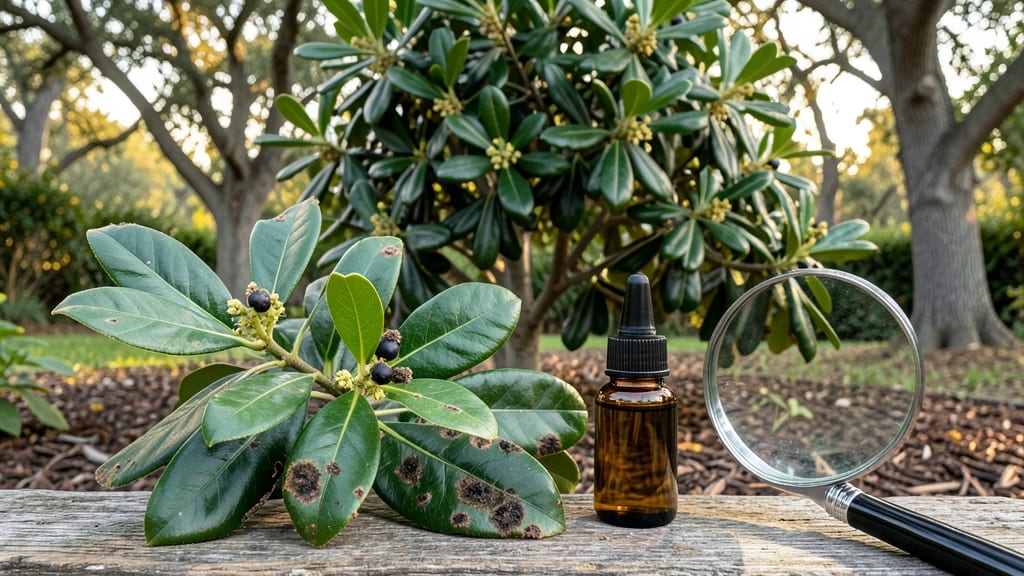
Bay leaf tree diseases can turn your fragrant kitchen staple into a sad, yellowing mess—unless you catch them early. 🌿 I’ve battled everything from root rot to bacterial leaf spot, and the difference between saving a plant and losing it often comes down to spotting symptoms before they spread.
The good news? Most issues respond well to quick action, whether you’re pruning infected branches or adjusting water habits.
Root rot and fungal infections love soggy soil and poor drainage, while bacterial leaf spot thrives in humid conditions. You’ll spot trouble through dark, mushy stems, crinkled leaves, or brown spots with yellow halos—classic red flags that mean your tree is fighting an unseen battle.
The key is acting fast: prune affected areas immediately, improve airflow, and avoid overhead watering to stop the spread.
With the right care, you’ll restore that glossy, vibrant foliage in no time. I’ve nursed back trees that looked hopeless with a mix of copper fungicide, neem oil, and better watering routines.
The secret? Consistency—check your plants weekly for new spots, and never let soil stay waterlogged. A healthy bay leaf tree rewards you with years of fragrant leaves.
Still unsure? When in doubt, consult a local arborist—some diseases, like verticillium wilt, need professional intervention. But for most gardeners, a little vigilance and the right tools keep these trees thriving for decades. Your kitchen—and your garden—will thank you.
Root Causes of Bay Tree Struggles
Bay leaf trees (Laurus nobilis) are hardy but not invincible—when they fall prey to diseases, the culprits are usually a mix of environmental stress, microbial invaders, or poor cultural practices.
Understanding these triggers helps you nip problems in the bud before they spread. Let’s break down the science behind why your bay tree might be sickening.
---
Fungi thrive in high humidity, poor air circulation, and wet foliage, turning your bay tree into a buffet.
The most common offenders include: - Anthracnose (Colletotrichum spp.): Spots brown, sunken lesions on leaves, often after heavy rain or overhead watering. - Leaf Spot Diseases (Cercospora or Septoria): Circular or irregular dark spots with yellow halos, caused by fungal spores splashing onto leaves. - Root Rot (Phytophthora or Pythium): Waterlogged soil cuts off oxygen, suffocating roots and leading to yellowing leaves, wilting, and a foul smell.
Why it happens: Fungi spread via spores—think of them as microscopic seeds waiting for the right conditions to germinate. Warmth (60–80°F) + moisture = fungal party. Overhead irrigation or dense plantings trap humidity against leaves, creating the perfect breeding ground.
---
Unlike fungi, bacteria (Pseudomonas syringae, Xanthomonas) don’t need dampness to spread—they hitchhike on physical damage to your tree.
Look for: - Bacterial Leaf Spot: Greasy, water-soaked spots that ooze when wet, often with yellow margins. - Cankers: Sunken, oozing wounds on stems or trunks, caused by bacterial entry through pruning cuts or hail damage.
Why it happens: Bacteria lurk in water, tools, or even wind, slipping into your tree through: - Pruning wounds: Dirty shears introduce bacteria into fresh cuts. - Insect damage: Sap-sucking pests (like spider mites) create entry points. - Hail or mechanical injury: Physical trauma weakens the tree’s defenses.
--- Bay trees hate stagnant air. When airflow is blocked—whether by dense foliage, nearby structures, or compacted soil—diseases linger longer.
Common red flags: - Powdery Mildew (Erysiphe spp.): White, powdery coating on leaves, thriving in shaded, humid spots. - Rust Fungi (Puccinia spp.): Orange pustules on undersides of leaves, spreading via windborne spores.
Why it happens: Stagnant air traps moisture and spores, while crowded roots compete for nutrients, weakening the tree’s immune response. Overwatering or heavy clay soil worsens the issue by suffocating roots and promoting fungal growth.
--- A bay tree that’s starving or spoiled becomes disease-prone. Watch for: - Iron/chlorosis: Yellowing between leaf veins (often from alkaline soil or overwatering). - Nitrogen burn: Brown leaf tips from excessive fertilizer, stressing the tree and inviting pests/diseases.
Why it happens: - Imbalanced soil: Too much lime (raises pH) locks out iron; too much salt (from synthetic fertilizers) burns roots. - Overwatering: Leaches nutrients while promoting root rot. - Underwatering: Drought-stressed trees can’t fight off invaders.
--- Insects like scale, aphids, or spider mites don’t just sap nutrients—they transmit pathogens or create wounds that invite disease. For example: - Aphids spread viral infections (e.g., Bay Leaf Mosaic Virus). - Scale insects excrete honeydew, fostering sooty mold (a black fungal growth).
Why it happens: Pests thrive in stressed trees (drought, poor soil) and use their mouthparts to inject toxins or introduce bacteria/fungi. A single infestation can turn a minor issue into a full-blown epidemic.
--- Bay trees are adaptable but not drought-proof or frost-hardy.
Sudden changes trigger disease susceptibility: - Frost damage: Blackened, crispy leaves weaken the tree’s defenses. - Extreme heat: Wilting leaves can’t photosynthesize efficiently, making them prime targets for pathogens. - Poor drainage: Water pooling at the base creates a fungal paradise.
Why it happens: Stress disrupts the tree’s natural defenses (like cuticle wax on leaves or root mycorrhizae). A healthy bay tree can fend off 90% of pathogens—stress drops that number to 10%.
--- Diseases don’t strike randomly—they exploit weaknesses in your tree’s environment or care routine.
The good news? Prevention is simple: - Improve airflow (prune densely packed branches, space plants 3–5 feet apart). - Water at the base (avoid overhead sprinkling). - Sanitize tools (rubbing alcohol between cuts prevents bacterial spread). - Test soil (pH 6.0–7.0 is ideal for bay trees; amend with compost if needed).
By addressing these root causes, you’ll give your bay tree the fighting chance it deserves—healthy foliage starts with healthy habits!
How to Fix Common Bay Leaf Tree Ailments
Once you’ve identified the issue plaguing your bay leaf tree, it’s time to roll up your sleeves and restore its health! Early action is key—whether it’s fungal infections, pests, or environmental stress. Below are practical, step-by-step solutions tailored to each problem, plus prevention tips to keep your tree thriving long-term.
---
Fungal diseases like powdery mildew or root rot can weaken your bay leaf tree if left unchecked. Here’s how to tackle them:
#### 🔥 Treat Powdery Mildew 1. Prune Infected Leaves 🌿 - Remove heavily affected leaves with clean, sharp pruners to prevent spores from spreading. - Dispose of them in the trash (not compost).
2. Apply Fungicide 🧴 - Use a sulfur-based or neem oil fungicide (mix 1 tbsp neem oil + 1 tsp mild soap in 1 quart of water). - Spray both sides of leaves in the early morning or evening (avoid direct sunlight). - Reapply every 7–10 days until symptoms fade.
3. Boost Airflow 🌬️ - Thin out dense foliage to improve air circulation. - Space trees 3–5 feet apart to reduce humidity buildup.
💡 Prevention Tip: - Water at the base (not overhead) to keep leaves dry. - Avoid overcrowding—bay leaf trees need 6+ hours of sunlight daily.
---
#### 🌡️ Combat Root Rot 1. Check the Soil 🏺 - Gently dig around the roots to assess damage. Healthy roots are firm and white; rotten roots are mushy and brown.
2. Repot or Improve Drainage 🪴 - If in a pot, repot in fresh, well-draining soil (mix potting soil with perlite or sand). - For in-ground trees, amend the soil with compost and organic matter to improve aeration.
3. Adjust Watering Habits 💧 - Let the top 1–2 inches of soil dry out between waterings. - Ensure pots have drainage holes—never let roots sit in water.
✨ Pro Tip: - Add mycorrhizal fungi (available at garden centers) to promote root health.
---
Bay leaf trees attract spider mites, scale insects, and aphids. Here’s how to evict them:
#### 🔪 Eliminate Spider Mites 1. Blast Them Off 💦 - Spray the tree with a strong stream of water to dislodge mites (they hate moisture).
2. Use Insecticidal Soap 🧼 - Mix 2 tbsp mild liquid soap + 1 quart of water, then spray every 3–5 days for 2 weeks.
3. Introduce Predatory Bugs 🐞 - Release lacewings or ladybugs (natural mite predators) for long-term control.
🎯 Prevention Tip: - Neem oil spray (weekly) deters mites before they become a problem.
#### 🍎 Remove Scale Insects 1. Scrape Them Off 🧹 - Use a soft brush or cotton swab dipped in rubbing alcohol to wipe away scale clusters.
2. Apply Horticultural Oil 🛢️ - Spray dormant oil (available at garden stores) to suffocate eggs and adults. Repeat in 7–10 days.
3. Encourage Beneficial Insects 🐝 - Parasitic wasps (like Encarsia formosa) hunt scale insects—order them online or find local suppliers.
💡 Prevention Tip: - Quarantine new plants for 2 weeks to spot hitchhiking pests early.
---
If your bay leaf tree is drooping, yellowing, or stunted, it may need a care reset:
#### 🌿 Fix Overwatering or Underwatering 1. Test Soil Moisture 🏺 - Stick your finger 1 inch deep—if dry, water; if soggy, hold off.
2. Adjust Watering Schedule ⏰ - Potted trees: Water when the topsoil feels dry (usually every 5–7 days). - Outdoor trees: Water deeply 1–2 times per week (more in summer).
3. Check Pot Size 🪴 - Roots need room! Repot if roots are circling the container.
🔥 Pro Tip: - Mulch around the base (2–3 inches of wood chips) to retain moisture and regulate temperature.
#### ☀️ Correct Light & Nutrient Issues 1. Move to Better Light 🌞 - Bay leaf trees thrive in full sun (6+ hours daily). If indoors, place near a south-facing window.
2. Fertilize Properly 🌱 - Use a balanced fertilizer (10-10-10) in spring and summer. - For yellow leaves, add iron supplements (chelated iron spray).
3. Prune for Airflow 🌬️ - Trim dead or crowded branches to improve light penetration.
💡 Prevention Tip: - Rotate potted trees monthly so all sides get even sunlight.
--- To keep your bay leaf tree disease-free and vibrant, follow this monthly maintenance routine: ✅ Inspect leaves weekly for early signs of pests/diseases. ✅ Clean up fallen debris (burn or bag it—don’t compost infected material). ✅ Sterilize pruners with rubbing alcohol between cuts. ✅ Water at the base (avoid wetting foliage). ✅ Fertilize seasonally (spring/summer only).
--- By acting fast and staying vigilant, your bay leaf tree can bounce back stronger—and even reward you with lush, fragrant foliage for years! 🌿💚
Frequently asked questions
What are the first signs my bay leaf tree has a fungal infection?
Watch for powdery white coatings (powdery mildew), dark brown spots with yellow halos (leaf spot), or crinkled, discolored leaves. These appear on undersides of leaves first. Fungal spores thrive in humid conditions, so check after rain or overhead watering.
Can I save a bay leaf tree with root rot if the trunk feels soft?
If the trunk is already soft or hollow, the tree is likely beyond saving. However, if only roots are affected, repot in fresh, well-draining soil and adjust watering immediately. Prune back severely damaged roots and avoid watering until soil dries completely.
How often should I spray neem oil to prevent diseases?
Apply neem oil spray every 2–4 weeks during growing season (spring-fall) as a preventive measure. Mix 1 tbsp neem oil + 1 tsp mild soap per quart of water and spray in early morning or evening. It deters fungi, bacteria, and pests while being safe for plants.
Why do my bay leaves turn yellow even when I water regularly?
Yellowing leaves often signal overwatering or nutrient deficiency. Check soil moisture—water only when top 1–2 inches are dry. Yellow between veins suggests iron deficiency (test soil pH; bay trees prefer 6.0–7.0). For potted trees, consider chelated iron supplements.
Is it safe to prune infected branches without gloves?
No—always wear gardening gloves when pruning diseased branches to avoid skin contact with fungal spores or bacterial ooze. Sterilize pruners with rubbing alcohol between cuts, and dispose of infected clippings in sealed bags (not compost).