
Trees
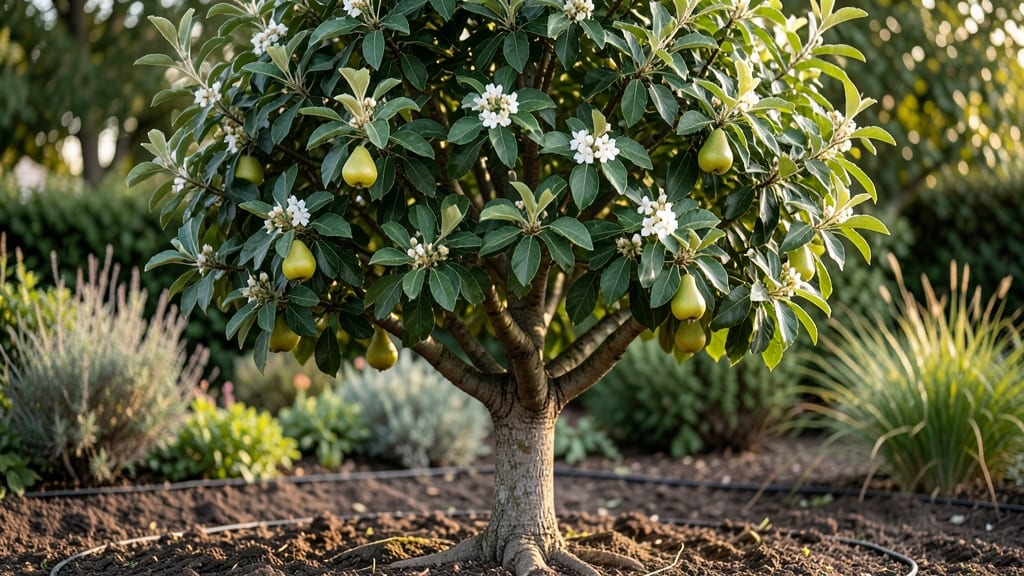
Bartlett pear tree leaves tell a story—one that reveals whether your tree is thriving or struggling. 🌿 I’ve seen everything from glossy, healthy foliage to leaves spotted with fungal splotches, and the difference comes down to pruning, pests, and a few key care habits you might be missing.
The first step is identifying the problem: curled edges often mean aphids, yellowing could signal iron deficiency, and black spots? That’s likely fungal. Once you know what’s wrong, you can prune strategically—removing infected branches early prevents the whole tree from suffering.
I’ve saved multiple Bartletts this way, and the results speak for themselves.
With the right approach, your pear tree’s leaves stay lush and productive year-round. Start by inspecting closely—look for patterns in discoloration or pest clusters—and act fast. A little pruning now means fewer headaches (and fewer spots) in the harvest season. Let’s get those leaves back to their best.
📚 In This Guide
- What you need
- Instructions
- Tips and common mistakes
- Wrapping up and next steps
What you need
- ● Bartlett pear tree leaves: Fresh, organic leaves (harvest in late spring to early summer for peak potency). Aim for at least 1 cup (dry weight) for most remedies.
- ○ Pruning shears: Sharp, bypass-style shears (8–10 inches) for clean cuts. Optional: Loppers (for thicker branches) or a pruning saw for stubborn growth.
- ● Gloves: Heavy-duty gardening gloves (protect against thorns and sap).
- ● Disinfectant: 70% isopropyl alcohol or a tree-pruning spray to sterilize tools and prevent disease.
- ○ Drying rack or mesh screen: For air-drying leaves (use a shaded, well-ventilated area). Optional: A food dehydrator (set to 95°F/35°C).
- ● Storage containers: Airtight glass jars or resealable bags (label with the date and purpose).
- ● Honey or glycerin: For tinctures or syrups (1 part honey/glycerin to 2 parts dried leaves).
- ● Carrier oil (olive, coconut): For infused oils (use a double boiler method).
- ● pH strips: To test leaf infusions for acidity (ideal for skin remedies).
- ● Notebook: Track leaf harvest dates, drying times, and remedy recipes for consistency.
Step-by-step guide to maintaining healthy Bartlett pear tree leaves
Here's how I keep my Bartlett pear tree thriving year-round with simple, natural care.
🌿 Step 1: Inspect Leaves for Early Signs of Stress
Start by examining the leaves in early spring before new growth appears. Look for yellowing edges, spotted patterns, or sticky residue—these are your first clues. I run my fingers gently over the leaves to feel for rough textures or unusual growths that might indicate pests or disease. Healthy leaves should feel smooth and firm with a vibrant green color.
Focus on the lower branches first, where stress often shows up earliest. If you spot aphids or mites clustered on the undersides, don't panic—this is when natural intervention works best. I like to spray leaves with a mix of water and mild dish soap (1 teaspoon per gallon) to dislodge pests without chemicals.
☀️ Step 2: Adjust Light and Airflow for Optimal Growth
Bartlett pears need 6-8 hours of sunlight daily, but too much direct afternoon sun can scorch leaves. If you notice brown patches or crispy edges on leaves, your tree might be getting too much heat. I've found that pruning nearby branches to open up airflow helps prevent this—think of it like giving your tree a breeze.
In summer, I check for overcrowded branches where leaves rub together. This friction creates small wounds that attract pests. Use clean, sharp pruners to remove any crossing branches, cutting just outside the branch collar. Always make cuts at a 45-degree angle to allow water to run off, not pool.
💧 Step 3: Water Deeply and Monitor Soil Conditions
Water your Bartlett pear tree when the top 2-3 inches of soil feel dry. This usually means once every 5-7 days in summer, but adjust based on your climate. I water deeply—about 1 gallon per inch of trunk diameter—to encourage strong root growth. Shallow watering leads to weak roots and stressed leaves.
Check the soil pH every 2-3 years—Bartlett pears prefer slightly acidic soil between 6.0 and 7.0. If leaves turn yellow with green veins, it's often a sign of iron deficiency from alkaline soil. A simple soil test kit from your local garden center makes this easy to diagnose.
✂️ Step 4: Prune for Health and Structure Year-Round
Spring is the best time to prune, but light maintenance can happen anytime. Remove any dead, diseased, or crossing branches first—they're the biggest stress points. I always prune just outside the branch collar to prevent damage to the tree's healing layer.
For shape, focus on opening the center of the tree to let light reach all leaves. Aim to remove no more than 25% of the tree's foliage in one season—this keeps the tree healthy and productive. After pruning, I apply a thin layer of mulch around the base (but not touching the trunk) to retain moisture and regulate soil temperature.
🌱 Step 5: Fertilize Naturally for Long-Term Leaf Health
In early spring, I spread a 2-3 inch layer of compost around the tree's drip line (the area where branches naturally extend). This provides slow-release nutrients that support leaf growth without burning the roots. Avoid synthetic fertilizers—they can cause rapid, weak growth that's more prone to pests and disease.
Watch for new leaf growth patterns after fertilizing. Healthy new leaves should appear within 3-4 weeks and be a vibrant, glossy green. If growth is slow or leaves appear pale, your tree might need more nitrogen—try a light application of well-aged manure or fish emulsion.
Tips & tricks for perfect Bartlett pear tree leaves
These natural care hacks will help you keep your Bartlett pear tree's leaves lush and vibrant all year long.
Timing Tip: Early spring is the absolute best time to inspect your leaves for stress signs—this is when pests and diseases first appear. I've learned the hard way that waiting until summer means dealing with more severe infestations. Focus on the lower branches first, as they often show signs before the upper leaves. The 1 teaspoon of mild dish soap per gallon of water is perfect for dislodging aphids and mites without harming beneficial insects.
Light and Airflow Strategy: The 6-8 hours of sunlight Bartlett pears need is crucial, but afternoon sun can scorch leaves. I've found that positioning the tree where it gets morning sun and afternoon shade works wonders. When checking for overcrowded branches in summer, look for leaves that rub together—this creates tiny wounds that become pest magnets. Always use clean, sharp pruners and make those 45-degree angle cuts to prevent water pooling at the branch collar.
Watering Wisdom: The top 2-3 inches of soil being dry is your signal to water, but don't rely solely on a schedule. I've seen trees suffer from both underwatering and overwatering—always check the soil first. That 1 gallon per inch of trunk diameter is a game-changer for root development. Remember, shallow watering creates weak roots that can't support healthy leaves.
Pruning Precision: When you're removing those dead, diseased, or crossing branches, think of it as creating an open canopy. I've pruned up to 25% of foliage in one season without issues, but never more. That mulch layer around the base (but not touching the trunk) helps regulate soil temperature and retains moisture—just keep it thin to avoid suffocating the roots.
Pro Tips for Bartlett Pear Tree Leaves
- These natural care hacks will help you keep your Bartlett pear tree's leaves lush and vibrant all year long.
- Timing Tip: Early spring is the absolute best time to inspect your leaves for stress signs—this is when pests and diseases first appear.
- Light and Airflow Strategy: The 6-8 hours of sunlight Bartlett pears need is crucial, but afternoon sun can scorch leaves.
Frequently asked questions
Got questions about your Bartlett pear tree leaves? You’re not alone!
Whether you're troubleshooting, planning, or just curious, here are the answers to the most common queries—so you can keep your tree thriving year-round.
When is the best time to prune Bartlett pear tree leaves?
Prune your Bartlett pear tree in late winter or early spring (before buds swell) to avoid spreading diseases like fire blight. Avoid heavy pruning in fall, as wounds take longer to heal. Light shaping in summer is fine, but focus on removing dead or diseased branches. Pro tip: Sterilize tools with rubbing alcohol to prevent infections!
Why are my Bartlett pear tree leaves turning yellow or brown?
Yellowing leaves often signal nutrient deficiencies (like iron or zinc) or overwatering (root rot). Brown edges? It could be underwatering, pests, or fungal issues like powdery mildew. Check soil moisture, inspect leaves for pests, and test soil pH (ideal: 6.0–6.5). Adjust care and treat with neem oil if needed.
Can I use Bartlett pear tree leaves for anything besides pruning?
Use fallen leaves as mulch to retain soil moisture and nutrients. They’re also great for composting (chop them first for faster decomposition). Bonus: Brew a tea from fresh leaves to deter pests naturally—steep in water for 24 hours and spray on plants!
How long does it take for a Bartlett pear tree to recover after pruning?
Mild pruning? Your tree may bounce back in a few weeks with new growth. Heavy pruning (20%+ of foliage) can take 1–2 growing seasons for full recovery. Monitor for stress signs (wilting, slow regrowth) and avoid fertilizing immediately—let the tree focus on healing first.
What’s a good alternative if I don’t have a Bartlett pear tree?
If you’re missing the Bartlett, try Asian pear, European pear, or apple tree leaves for similar benefits. For pruning practice, ornamental pear trees (like Bradford pear) are hardy and forgiving. Need edible options? Fig or plum trees also offer useful leaves for compost or pest control.
Wrapping up and next steps
Cultivating a Bartlett pear tree isn’t just about harvesting sweet fruit—it’s a year-round journey to natural abundance and wellness. From pruning to pest control, these leaves hold the secret to a thriving garden and a stash of home remedies.
Whether you’re a seasoned gardener or just starting, every step—like using neem oil or composting leaves—brings you closer to a greener, healthier space.
Ready to turn your backyard into a self-sustaining haven? 🌱 Start small: prune with purpose, harvest mindfully, and share your newfound knowledge with fellow plant lovers. Your Bartlett pear tree isn’t just growing fruit—it’s growing opportunities for you!