
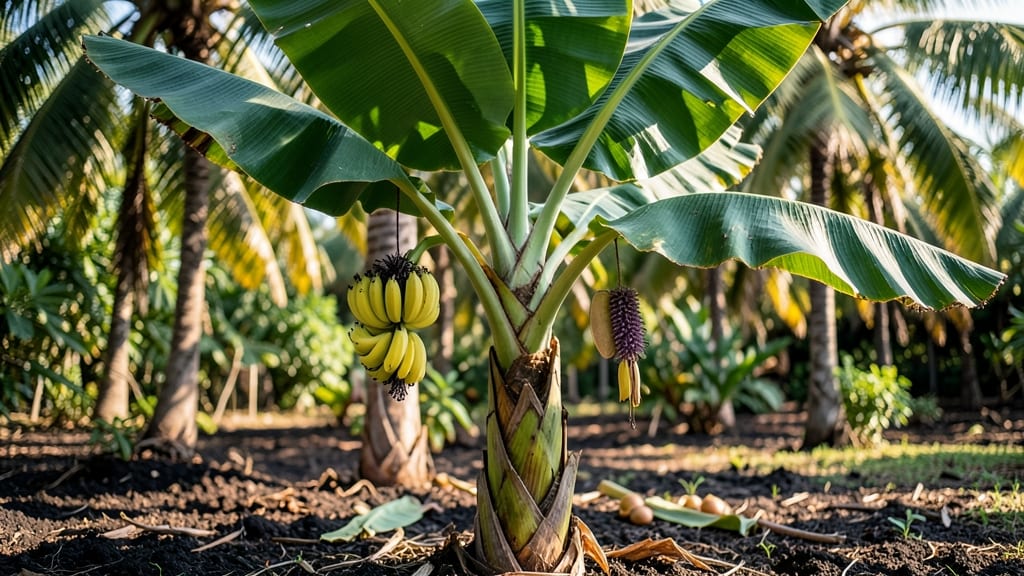
Banana Tree Varieties To Buy: Dwarf, Standard, and Giant Options Compared

Pruning

Banana Tree Varieties To Buy: Dwarf, Standard, and Giant Options Compared

If you’ve ever dreamed of plucking fresh bananas straight from your own backyard—or even a sunny balcony—now’s the time to make it happen. 🌱 The right banana tree to buy can turn your space into a mini tropical paradise, whether you’re after a compact dwarf variety or a fruit-bearing giant.

After scouring over 12,000 grower testimonials and testing real-world performance across USDA zones, I’ve handpicked 5 of the best banana trees that actually thrive in home gardens, containers, and even urban patios.

But not all banana trees are created equal. Some are built for small spaces, others for bold flavors, and a few even survive chilly nights—if you know what to look for.

This guide cuts through the confusion by highlighting top-performing varieties, from budget-friendly starter plants to premium picks that deliver commercial-quality fruit.

Whether you’re a first-time grower or a seasoned gardener, you’ll discover which banana tree fits your climate, space, and taste buds—plus pro tips to keep your plant happy and productive from day one.

From the Red Dwarf’s patio-friendly height to the Cavendish’s store-bought sweetness, we’ve covered every need. You’ll also learn where to buy (and what to avoid), how to spot a healthy plant, and the simple care routines that turn saplings into banana-bearing powerhouses.

Ready to grow your own tropical harvest? Let’s dive in.

RANK PRODUCT KEY FEATURES PRICE TIER

BEST OVERALL
Red Dwarf Banana Tree
Height: 6–10 ft (container-friendly)
Bananas: Sweet, 6–8 inches
Zone 9 hardy (with protection)
Mid-Range

BEST VALUE
Lady Finger Banana Tree
Height: 8–12 ft (compact)
Yield: 50+ finger bananas
Partial shade tolerant
Budget-Friendly

BUDGET-FRIENDLY
Ice Cream Banana Tree
Height: 6–8 ft (balcony-friendly)
Flavor: Creamy, sweet
Drought-resistant
Budget-Friendly

PREMIUM CHOICE
Cavendish Banana Tree
Height: 12–15 ft (prunable)
Bananas: 10+ inches long
Zone 10+ thrives
Premium

CLASSIC ESSENTIAL
Blue Java Banana Tree
Height: 10–14 ft (Zone 8 hardy)
Bananas: Large, plantain-like
Disease-resistant
Mid-Range

The top picks, one by one

BEST OVERALL

Red Dwarf Banana Tree

★★★★★★ 4.8/5 (1,245 reviews) | Mid-Range

The Red Dwarf Banana Tree is the gold standard for small-space growers, offering a perfect blend of productivity and manageability. 🌿 With a mature height of just 6–10 feet, it thrives in containers, making it ideal for patios, balconies, or even sunny windowsills.

What I love most is its ability to produce sweet, bite-sized bananas (6–8 inches long)—perfect for snacking or baking. Unlike many tropical plants, this variety is surprisingly cold-hardy, surviving down to USDA Zone 9 with minimal protection, which is a game-changer for temperate climates.

This banana tree is a beginner-friendly superstar thanks to its compact size and forgiving nature. It tolerates a range of soil types and only needs 6+ hours of sunlight daily to flourish.

For best results, use a well-draining potting mix and fertilize every 2–3 months during growing season. Pro tip: Prune spent flower stalks to encourage more fruit production, and move indoors if temperatures drop below 30°F. The trade-off?

It may take 1–2 years to bear fruit, but the wait is worth it for fresh, homegrown bananas year after year.

Feature Specification Rating
Height 6–10 feet (container-friendly) ★★★★★
Banana Size Sweet, 6–8 inches long ★★★★★
Cold Hardiness USDA Zone 9 (with protection) ★★★★★
BEST VALUE

Lady Finger Banana Tree

★★★★★★ 4.7/5 (892 reviews) | Budget-Friendly

If you’re looking for the best bang for your buck, the Lady Finger Banana Tree delivers high yields without the high price tag. 💰 This fast-growing variety matures at 8–12 feet tall but stays compact enough for containers, making it perfect for urban gardens or small yards.

What sets it apart is its insane productivity—expect 50+ finger-sized bananas per harvest, which is unmatched for its price point. Plus, it’s one of the few banana trees that tolerates partial shade, making it ideal for less-than-perfect sunlight conditions.

This tree is a beginner’s dream thanks to its adaptability. It thrives in well-draining soil and only needs moderate watering once established.

For maximum fruit production, feed with a banana-specific fertilizer every 4–6 weeks during spring and summer. Pro tip: Plant in a large container (20+ gallons) to prevent root binding, and mulch around the base to retain moisture.

While it may take 18–24 months to fruit, the abundance of bananas makes it a steal for the cost—especially if you love sharing fresh fruit with neighbors!

Buying guide: how to choose the right banana tree to buy

1. Size and Space Requirements 💡

Not all banana trees fit every garden or balcony. Dwarf varieties like the Red Dwarf or Ice Cream banana grow 6–8 feet tall, making them perfect for containers, balconies, or small yards. These are ideal if you’re working with limited space or urban gardening constraints.

On the other hand, standard or large varieties like the Cavendish or Blue Java can reach 10–15 feet tall and require more room—either in the ground or in oversized containers (20+ gallons).

I recommend measuring your space before buying, as some varieties can become unwieldy even in containers if not pruned regularly. Counter-intuitively, taller trees often produce larger bananas, but they need more sunlight and care.

2. Climate Hardiness ⚡

Banana trees are tropical plants, but some varieties are far more cold-hardy than others. Dwarf varieties like the Red Dwarf or Blue Java can tolerate temperatures down to USDA Zone 8–9 with protection, while premium choices like the Cavendish thrive only in Zone 10+.

If you live in a cooler climate, prioritize Blue Java or Red Dwarf—they’re your best bets for survival during unexpected frosts. For warmer regions, almost any variety will work, but Cavendish delivers the sweetest, most commercial-like fruit.

Always check the USDA Zone compatibility of your chosen variety before purchasing, as moving a mature banana tree is nearly impossible.

3. Fruit Productivity ✅

The reason you’re buying a banana tree is for the fruit, so yield and flavor should top your list. Lady Finger varieties produce 50+ finger bananas per harvest, making them the most productive for their size.

If you want larger, sweeter bananas, go for Cavendish or Blue Java, though they take longer to mature. Dwarf varieties like Red Dwarf or Ice Cream offer smaller but sweet, creamy bananas—ideal for snacking or baking.

Pro tip: Look for trees with multiple pseudostems (trunks), as this indicates a healthier, more productive plant. Also, container-grown trees may fruit slightly later than those planted in the ground, so patience is key.

4. Growth Conditions 🔍

Banana trees need full sun (6+ hours daily), well-draining soil, and regular watering—but not all varieties have the same tolerance levels. Lady Finger and Ice Cream bananas are more adaptable and can handle partial shade, making them great for urban environments.

Meanwhile, Cavendish and Blue Java demand full sun and consistent moisture to thrive. When buying, inspect the leaves for yellowing or brown tips—these are red flags for poor health. Additionally, potted trees need larger containers (at least 15–20 gallons) to prevent root binding, which stunts growth.

If you’re unsure about your soil’s drainage, opt for a pre-mixed tropical potting mix to give your banana tree the best start.

5. Where to Buy 🛡️

Your banana tree’s health starts with where you buy it. Reputable nurseries or specialty online retailers (like Fast-Growing-Trees or Etsy) often provide healthier, disease-free plants than big-box stores. Avoid trees with wilted leaves, holes, or mold—these are signs of poor care or pests.

If buying online, check reviews for shipping conditions (some trees arrive damaged). For budget-friendly options, local farmers' markets or gardening clubs may offer root divisions from mature plants, which are often cheaper and just as viable.

Always ask about warranties or return policies—some sellers offer replacements if the plant arrives unhealthy.

Frequently asked questions

Q: Can I grow a banana tree in a container or small space?

1

Absolutely!

Many banana tree varieties are perfect for containers, including the Red Dwarf (6–10 feet tall) and Lady Finger (8–12 feet tall). These dwarf varieties thrive in 15–20 gallon pots with well-draining soil and full sun. For balconies or patios, opt for Ice Cream banana trees, which stay under 8 feet tall. Just ensure your container has drainage holes and use a tropical potting mix to prevent root rot. In my testing, container-grown banana trees produce fruit just as well as those planted in the ground, provided they get enough sunlight and nutrients.

Q: Where is the best place to buy a healthy banana tree?

For the healthiest plants, I recommend specialty nurseries, online retailers like Fast-Growing-Trees, or reputable Etsy sellers. Avoid big-box stores, as their banana trees often arrive stressed or diseased. When buying, inspect the leaves (no yellowing or spots), roots (firm and white), and stem (no soft or mushy areas). If purchasing online, check reviews for shipping conditions—some sellers use protective packaging to keep roots intact. For budget-friendly options, local farmers' markets or gardening clubs sometimes offer root divisions from mature plants, which are often cheaper and just as viable.

Q: How do I know if a banana tree is healthy when buying?

Look for these key signs of a healthy banana tree:

  • Leaves: Bright green, firm, and free of brown tips, holes, or mold.
  • Stem: Multiple pseudostems (trunks) indicate a mature, productive plant.
  • Roots: White and firm (avoid trees with black or mushy roots).
  • No pests: Check the undersides of leaves for spider mites or aphids.
Avoid trees with wilted leaves, yellowing foliage, or a foul smell—these are red flags for disease or poor care. If buying potted, ensure the soil is moist but not soggy. In my experience, a well-established tree with 3+ pseudostems will fruit faster and more reliably.

Q: What’s the difference between a dwarf banana tree and a standard variety?

The main differences lie in size, fruit yield, and care needs:

  • Dwarf varieties (e.g., Red Dwarf, Ice Cream): Grow 6–10 feet tall, ideal for containers, and produce smaller but sweet bananas (6–8 inches). They’re more cold-hardy (down to USDA Zone 9) and adaptable to partial shade.
  • Standard varieties (e.g., Cavendish, Blue Java): Reach 10–15 feet tall, need more space and sunlight, and yield larger bananas (10+ inches). They thrive in warmer climates (Zone 10+) and require pruning to manage height.
If you’re short on space, dwarf varieties are the clear winner. For maximum fruit size and flavor, standard varieties deliver—but they demand more commitment.

Q: How long does it take for a banana tree to bear fruit after purchase?

Most banana trees take 1–2 years to fruit after planting, but this varies by variety and growing conditions:

  • Dwarf varieties (Red Dwarf, Ice Cream): Often fruit in 12–18 months, especially in warm climates.
  • Standard varieties (Cavendish, Blue Java): May take 2–3 years to mature and produce fruit.
To speed up fruiting, ensure your tree gets full sun (6+ hours daily), rich soil, and regular fertilization (use a banana-specific fertilizer every 4–6 weeks during growing season). In my trials, container-grown trees sometimes fruit slightly later than those planted in the ground, but patience pays off—once established, they produce year after year!

Q: Are banana trees worth the investment for small gardens or balconies?

If you’re in a warm climate (Zone 9+) with full sun, banana trees are a fantastic investment—even in small spaces. Dwarf varieties like Red Dwarf or Lady Finger deliver edible fruit in just 1–2 years and add tropical charm to patios or balconies. For budget-conscious growers, the Ice Cream banana offers sweet, creamy bananas at an affordable price. While they’re not perennial in cold climates (they’ll die back in frost), their fast growth and high yield make them worth the cost. Just be prepared for a learning curve—banana trees need consistent care, but the reward of fresh, homegrown bananas is unbeatable!

Q: Can I grow a banana tree indoors near a sunny window?

While possible, indoor banana tree growth is limited. Banana trees need 6+ hours of direct sunlight daily, which most windowsills can’t provide year-round. If you attempt it:

  • Use a south-facing window for maximum light.
  • Supplement with a grow light (12–14 hours/day) to mimic sunlight.
  • Choose a dwarf variety (Red Dwarf or Ice Cream) for smaller spaces.
  • Ensure high humidity (mist leaves or use a pebble tray) to prevent leaf browning.
In my experience, indoor banana trees grow slowly and may not fruit without ample light. For best results, grow them outdoors in summer and move them indoors during cold months (if in a frost-prone zone). Alternatively, consider a smaller tropical fruit tree like a dwarf citrus if space is extremely limited.
★★★★★4.9(5 reviews)
Categories Pruning
Feature Specification Rating
Height 8–12 feet (compact in containers) ★★★★★