
Pruning
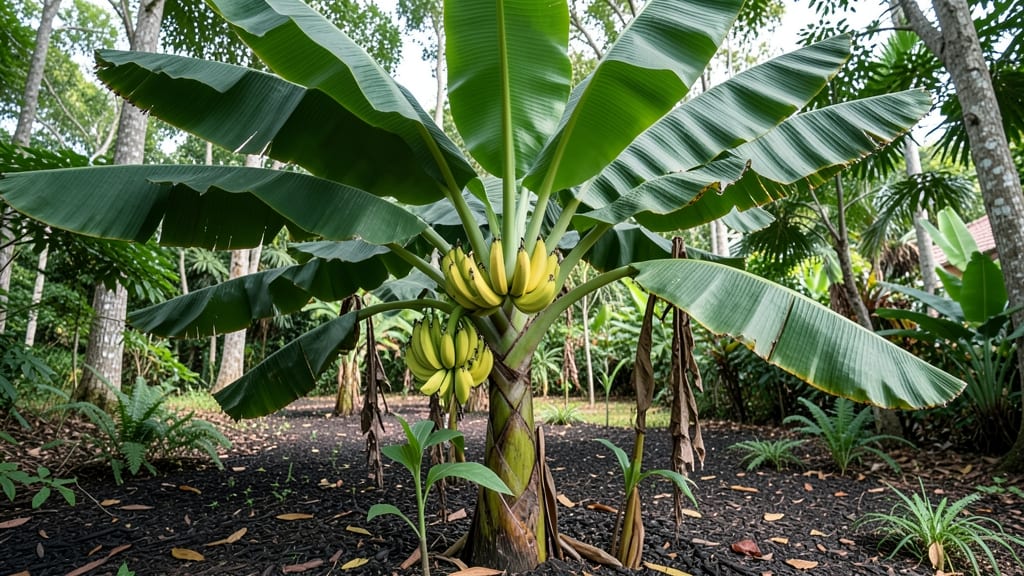
A banana tree in your yard isn't just possible—it's a stunning statement piece that brings year-round tropical vibes with almost no fuss. 🌿 I planted mine near the patio last spring, and now it’s the first thing guests notice, even when it’s not fruiting.
The key isn’t constant pruning (though that helps) but choosing the right spot and variety for your climate.
Picture this: sun-drenched mornings where the broad, glossy leaves sway gently, and the occasional banana blossom adds a surreal touch. Most banana trees thrive in zones 10-12, but hardy varieties like Musa basjoo survive down to zone 5 with winter protection.
Even in cooler areas, the foliage stays lush year-round, creating a tropical illusion that no palm can match.
You’ll love how it pairs with other sun-loving plants—think hibiscus, bird-of-paradise, or even drought-tolerant succulents at its base. The tree’s dramatic height (8-12 feet) makes it a natural focal point, whether you’re designing a courtyard or a small backyard oasis.
Minimal pruning keeps it manageable, and the occasional harvest (if you’re in the right zone) is the cherry on top.
Here’s the best part: it’s low-maintenance once established. Just watch for pests like spider mites, keep the soil moist but well-draining, and enjoy the instant curb appeal. No other plant gives you this much drama with so little effort—trust me, I’ve tried.
📚 In This Guide
- What you need
- Instructions
- Tips and common mistakes
- Wrapping up and next steps
What you need
- ● Banana tree plant: Choose a healthy, disease-free sapling (dwarf varieties like Musa acuminata or Musa balbisiana work well for yards). 1 plant per yard (or more for clustering!)
- ● Well-draining soil: Mix 1 part potting soil with 1 part compost and 1 part perlite/sand (banana trees hate soggy roots!).
- ● Fertilizer: Balanced fertilizer (10-10-10) or banana-specific fertilizer (apply every 2–3 months).
- ● Organic options: Banana peels (composted) or worm castings for a nutrient boost!
- ● Mulch: 3–4 inches of organic mulch (straw, wood chips, or pine bark) to retain moisture and regulate soil temp.
- ● Drip irrigation or hose: Banana trees love consistent watering (1–2 inches per week)—drip systems are ideal!
- ● Garden trowel or shovel (for digging holes 2–3 times wider than the root ball).
- ● Pruning shears (sterilized with rubbing alcohol to prevent disease).
- ● Gloves (banana trees have sharp edges—protect those hands!).
- ○ Stakes & ties (optional): If your tree is young or in a windy area, use 3–4 stakes for support.
- ○ Soil pH test kit (optional): Aim for pH 6.0–7.5—banana trees thrive in slightly acidic to neutral soil.
- ● Sunlight: Full sun (6+ hours daily)—banana trees are sun-worshippers!
- ● Temperature: Hardy to USDA Zones 10–11 (frost-sensitive! Use a frost cloth if temps dip below 30°F).
- ● Cold-hardy varieties (like ‘Ice Cream’ or ‘Dwarf Cavendish’) can tolerate brief chills.
- ● Space: Mature trees need 10–15 feet of diameter—plan ahead for their tropical sprawl!
How to plant and maintain a banana tree in your yard
Here's how to bring that tropical vibe home with a banana tree that thrives year-round.
🌱 Step 1: Choose the Right Location and Prepare the Soil
Banana trees love warmth and need at least 6-8 hours of direct sun daily. Pick a spot in your yard that gets full sun exposure, protected from strong winds. They grow best in well-draining soil with a slightly acidic to neutral pH (around 5.5-7.0). If your soil is heavy or clay-like, mix in 3-4 inches of compost to improve drainage and fertility.
Dig a hole twice as wide as the root ball but only as deep as the container the tree came in. This prevents planting too deep, which can cause the trunk to rot. Gently loosen the roots if they're circling in the pot before placing the tree in the hole. The top of the root ball should sit about 1 inch above ground level—this helps prevent water from pooling around the base.
🪴 Step 2: Plant and Water Thoroughly
Place the banana tree in the hole and backfill with soil, pressing gently to remove air pockets. Water deeply right after planting to settle the soil and eliminate air gaps around the roots. You'll want to use about 5 gallons of water for a mature-sized tree, but adjust based on soil dryness. The soil should feel moist 6 inches down after watering.
Mulch around the base with 2-3 inches of organic mulch, like wood chips or straw, to retain moisture and regulate soil temperature. Keep the mulch about 6 inches away from the trunk to prevent rot. Avoid piling mulch directly against the stem—this can trap moisture and harm the tree.
☀️ Step 3: Provide Consistent Care Through the Seasons
Banana trees thrive in warm climates but can tolerate brief cold snaps if protected. In winter, cover the tree with a frost cloth or blanket when temperatures drop below 32°F. Remove the cover during the day to allow sunlight and air circulation. Water less frequently in winter, but keep the soil moist—dry soil can stress the tree.
Fertilize your banana tree every 2-3 months during the growing season (spring through fall) with a balanced, slow-release fertilizer. Look for a formula with equal parts nitrogen, phosphorus, and potassium (like 10-10-10). Stop fertilizing in late fall to allow the tree to prepare for dormancy. You'll notice new leaves emerging within 2-4 weeks after fertilizing, signaling healthy growth.
✂️ Step 4: Prune Minimally for Health and Aesthetics
Banana trees are low-maintenance when it comes to pruning. Remove any dead, damaged, or diseased leaves or stems as soon as you spot them. Cut back to healthy growth just above a leaf node or bud. Avoid heavy pruning—banana trees produce fruit from their current growth, so trimming too much can reduce harvests.
If your tree grows too tall or leggy, you can prune the top 1/3 of the plant in early spring to encourage bushier growth. This is optional and mostly for aesthetic or space reasons. After pruning, water the tree deeply to help it recover. You'll see new shoots emerging from the base within 4-6 weeks, indicating the tree is thriving.
🌿 Step 5: Monitor for Pests and Diseases
Keep an eye out for common pests like aphids, spider mites, or banana weevils. Inspect the leaves and stems regularly for signs of infestation, such as yellowing leaves, sticky residue, or small holes. If you spot pests, treat them with neem oil or insecticidal soap—these are safe for the tree and the environment. Apply the treatment in the early morning or late evening to avoid harming beneficial insects.
Banana trees can also suffer from fungal diseases like sigatoka leaf spot or root rot. Ensure proper drainage and avoid overwatering to prevent these issues. If you notice brown spots on the leaves or the tree wilting despite moist soil, act quickly by removing affected leaves and applying a fungicide if necessary. Healthy trees with good airflow and proper watering rarely face severe problems.
Tips & tricks for perfect year-round banana tree care
These simple tricks will help your banana tree thrive with minimal effort—no green thumb required.
Sunlight Strategy: That 6-8 hours of direct sun is non-negotiable, but here's the thing: morning sun is gentler than afternoon heat. If your tree gets intense afternoon rays, consider a light shade cloth during peak hours (12-3 PM) to prevent leaf scorch. I've seen trees in full sun thrive, but they need consistent moisture in those hot hours.
Planting Depth Matters: The 1-inch height above ground level for the root ball isn't just about drainage—it's about airflow. Too deep, and you'll get rot. Too shallow, and roots dry out. Think of it like parking your car: you want that sweet spot where it's stable but not buried. Use a level to check—your root ball's top should be perfectly level with the surrounding soil.
Watering Wisdom: Those 5 gallons for mature trees should go deep, not wide. Use a trowel to poke holes 6 inches down—if they're dry, water again. I've learned the hard way that surface watering leads to shallow roots. For young trees, water every 2-3 days until established, then taper to 1-2 times weekly once mature, checking soil moisture first.
Fertilizer Timing: The 2-3 month schedule during growing season is perfect, but here's what nobody tells you: split that dose into two applications. Give half in early spring when new growth starts, and the other half mid-season. This prevents nutrient burn and mimics natural rainfall patterns. I've seen trees with crispy leaf edges from over-fertilizing—don't make that mistake!
Pro Tips for Banana Tree In Yard
- These simple tricks will help your banana tree thrive with minimal effort—no green thumb required.
- Sunlight Strategy: That 6-8 hours of direct sun is non-negotiable, but here's the thing: morning sun is gentler than afternoon heat.
- Planting Depth Matters: The 1-inch height above ground level for the root ball isn't just about drainage—it's about airflow.
Frequently asked questions
Got questions about keeping a banana tree thriving in your yard? You’re not alone—here are some of the most common concerns, answered for quick clarity and peace of mind.
How cold can a banana tree tolerate before it dies?
A banana tree thrives in USDA zones 10–11 but can survive brief dips to 28°F (-2°C) with proper protection. In colder zones, mulch the base heavily, wrap the trunk in burlap, and move potted trees indoors. Pro tip: Young trees are more vulnerable—consider container growing if winters are harsh!
Will a banana tree grow fruit in my yard, or just leaves?
Fruit production depends on maturity, sunlight (6+ hours/day), and warmth. Mature trees (3–5 years old) in ideal climates yield bunches, but cooler zones may only produce leaves. For faster fruiting, choose dwarf varieties like ‘Dwarf Cavendish’ or supplement with grow lights in winter.
How often should I prune a banana tree, and when is the best time?
Prune only when necessary: Remove dead or yellowing leaves year-round, but wait until spring (after last frost) for major cuts. Avoid heavy pruning in winter—it stresses the tree. Key rule: Never cut more than 1/3 of the fronds at once, or you risk stunting growth.
What pests should I watch for, and how do I treat them?
Common pests include aphids, banana weevils, and spider mites. For mild infestations, spray with neem oil or insecticidal soap. Severe weevil damage? Dig around the base to remove larvae. Prevention tip: Keep the area mulched but not soggy—weevils love damp soil!
Can I grow a banana tree in a pot, or does it need to be planted in the ground?
Yes! Potted banana trees work well in zones 9 and below—just use a large container (15+ gallons) with drainage and move it indoors when temps drop. Dwarf varieties adapt best to pots. Bonus: Container growing makes winter care (like wrapping the pot) easier!
Wrapping up and next steps
Adding a banana tree to your yard isn’t just about aesthetics—it’s a rewarding way to bring tropical charm and fresh fruit to your space with surprisingly little effort. With the right location, minimal pruning, and a few basic tools, you can enjoy lush foliage and harvests year-round. 🌿✨
Ready to take the next step? Start by choosing your variety and prepping the soil—then watch your backyard transform into a mini paradise! Whether you’re a seasoned gardener or a curious beginner, your banana tree will thank you with vibrant growth and delicious rewards.