
Pruning
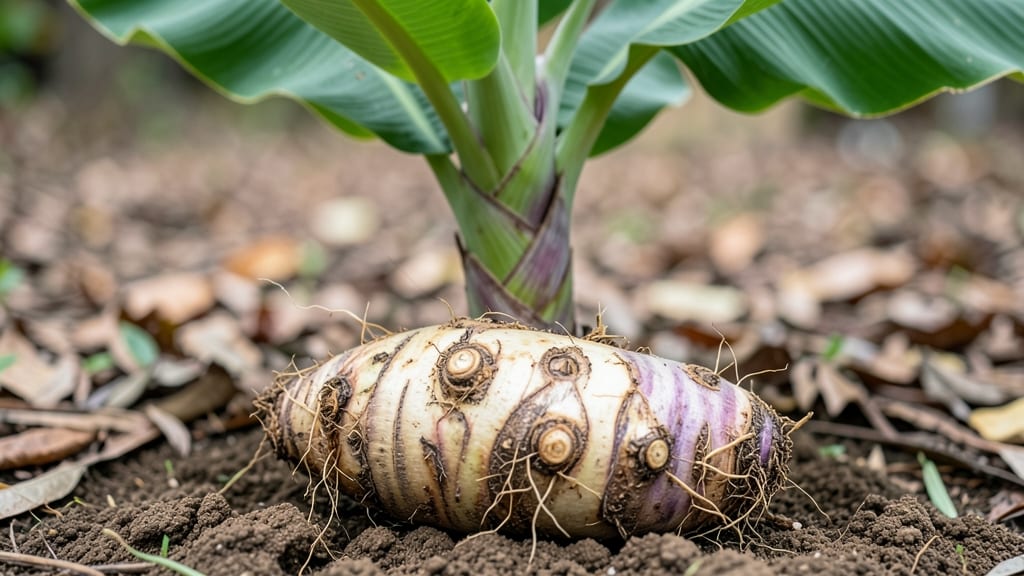
That thick, gnarled banana tree corm is the secret to growing your own tropical plant year after year. 🌱 I’ve propagated mine from grocery store corms, and with the right steps, you can too—no greenhouse or fancy equipment needed.
The key lies in understanding how these underground powerhouses store energy for regrowth, letting you multiply your plants for free.
Start by selecting a healthy corm—it should feel firm, not mushy, with visible "eyes" or buds where new shoots will emerge. Plant it just below the soil surface in well-draining potting mix (think 60% peat or coco coir, 30% perlite, and 10% compost) to prevent rot.
Keep the soil consistently moist but never soggy, and place your pot in bright, indirect light until you see those first emerald shoots poking through.
Within 4-6 weeks, you’ll have a sturdy young banana plant ready to transplant outdoors or keep as a houseplant. The real magic happens when you harvest offsets—baby corms that form around the parent—giving you free plants to share or expand your collection.
Just be patient; these tropicals grow fast but need warmth and humidity to thrive.
Mistakes to avoid? Overwatering (root rot is silent but deadly) and rushing the process (banana corms need time to establish). For advanced growers, try overwintering corms indoors with a grow light—it’s how I keep my collection going through cold months.
Ready to turn that grocery store corm into a jungle cornerpiece?
📚 In This Guide
- What you need
- Instructions
- Tips and common mistakes
- Wrapping up and next steps
What you need
- ● Banana corms: 1–3 mature, healthy corms (preferably 3–6 inches in diameter) from a banana tree (Musa spp.). Ensure they’re disease-free and firm to the touch.
- ● Well-draining soil: 5–10 gallons of a mix of 60% potting soil, 20% perlite, and 20% coconut coir or sand. Pro tip: Avoid heavy clay!
- ● Containers: 2–3 medium-sized pots (12–18 inches in diameter) with drainage holes, or a raised garden bed (if planting outdoors).
- ● Pruning tools: 1 sharp pruning knife or garden shears (sterilized with rubbing alcohol).
- ○ 1 pair of gloves (optional but recommended for hygiene).
- ○ Rooting hormone: 1 small bottle (optional but boosts success rates by 30–40%).
- ● Watering can or spray bottle: For gentle hydration post-planting.
- ● Mulch: 2–3 inches of organic mulch (e.g., straw or wood chips) to retain moisture.
- ● Temperature: Ideal range of 75–85°F (24–29°C). Corms are tropical—keep them warm!
- ● Humidity: 60–80% (use a humidity tray if indoors).
- ● Light: Bright, indirect sunlight (6+ hours daily). Avoid direct midday sun for young corms.
- ● Rainfall/Water Access: Consistent moisture (but no waterlogging!). Aim for 1–1.5 inches per week.
- ● 1 small fan for airflow (reduces fungal risks).
- ● pH test kit (target soil pH: 5.5–6.5).
- ● Slow-release fertilizer (e.g., 10-10-10 NPK, applied lightly post-planting).
- ● Grow lights (for indoor setups with limited natural light).
How to harvest and propagate banana tree corms for continuous growth
Ready to multiply your banana trees? Here’s how to harvest and propagate corms properly.
🌱 Step 1: Identify and Prepare Mature Corms
Banana trees grow from underground corms—thick, starchy rhizomes that store energy for new growth. Wait until the mother plant has produced at least 3-4 healthy pseudostems (the false trunks) before harvesting. This ensures the corm has enough reserves to support new shoots.
Use a sharp spade to carefully dig around the base of the plant, working 6-8 inches away from the pseudostems to avoid damaging roots. You’ll feel the corm’s weight—it’s usually 8-12 inches long and knobby with smaller corms attached. Brush away excess soil to expose the full structure.
🪴 Step 2: Separate and Cure the Corms
Gently pull apart the smaller corms (called "pups") from the main corm. Each pup should have its own 1-2 inch diameter and at least 1-2 buds (small bumps where new growth will emerge). Discard any damaged or soft corms—they won’t sprout.
Place the healthy corms in a shaded, well-ventilated area for 3-5 days to cure. This drying period helps prevent rot during propagation. You’ll know they’re ready when the surface feels slightly rough and the edges no longer feel damp.
☀️ Step 3: Plant Corms for New Growth
Fill a 12-inch deep container or garden bed with loose, well-draining soil mixed with 20% compost. Banana trees hate soggy roots, so amend heavy clay soil with perlite or sand. Plant each corm 4-6 inches deep, with the buds facing upward.
Water lightly after planting, then wait 1-2 weeks before watering again. Overwatering now can cause the corm to rot before sprouting. Place the container in a spot with bright, indirect light—direct sun can scorch new shoots.
💧 Step 4: Monitor and Support New Shoots
Once shoots emerge (usually 4-8 weeks after planting), increase watering gradually. Young banana trees need 1-2 inches of water weekly, but avoid letting soil stay waterlogged. You’ll see the first true leaves appear as long, narrow fronds—this is your signal to fertilize lightly with a balanced organic fertilizer.
As the plant grows, stake it if needed to prevent the pseudostems from toppling. Banana trees grow fast, so keep an eye on their height. Within 6-12 months, your new corm will produce its own harvestable fruit.
Tips & tricks for perfect banana tree corm propagation
Here’s what nobody tells you—these little details make all the difference between thriving new plants and wasted effort.
Selection Tip: In Step 1, when you’re digging around that 8-12 inch corm, look for the largest pup attached to the main corm—this one will grow fastest. I’ve seen gardeners accidentally discard the most vigorous pup because it was partially buried deeper. Use your fingers to gently tease out all the pups before deciding which to keep.
Curing Wisdom: That 3-5 day curing period in Step 2 isn’t just about drying—it’s about letting the corms develop a natural protective barrier. I learned this the hard way after losing three pups to rot because I rushed planting. Place them on a wire rack or clean towel in a spot with airflow, and check daily. If you notice any pups developing mold after 2 days, separate them immediately.
Soil Strategy: For Step 3, don’t just grab any potting mix—banana trees need soil that mimics their tropical rainforest home. I mix equal parts coconut coir, perlite, and compost (that 20% compost ratio is key) for perfect drainage while retaining moisture. If you’re planting in ground, mound the soil into a slight hill when you place the corm—this prevents water pooling around the buds.
Lighting Secret: That bright, indirect light requirement in Step 4 can be tricky with indoor growing. I use a simple LED grow light on a timer for 12 hours daily when my pups are indoors. Position it about 12 inches above the container and adjust as shoots grow. Too much direct sun now will scorch those delicate first leaves before they even unfurl.
Pro Tips for Banana Tree Corm
- Here’s what nobody tells you—these little details make all the difference between thriving new plants and wasted effort.
- Selection Tip: In Step 1, when you’re digging around that 8-12 inch corm, look for the largest pup attached to the main corm—this one will grow fastest.
- Curing Wisdom: That 3-5 day curing period in Step 2 isn’t just about drying—it’s about letting the corms develop a natural protective barrier.
Frequently asked questions
Got questions about banana tree corms?
You’re not alone! Whether you're a first-time grower or a seasoned gardener, these answers will help you navigate harvesting, propagation, and troubleshooting like a pro.
What’s the best time of year to harvest a banana tree corm?
Harvest banana corms after the plant’s fruiting cycle, typically in late fall or early winter (when the leaves yellow and die back). This ensures the corm has stored enough energy for propagation. Avoid harvesting during active growth—wait until the pseudostem collapses naturally for optimal results.
Can I propagate a banana tree from a corm without replanting it immediately?
Yes! Clean the corm thoroughly, let it dry for 1–2 days, and store it in a cool, dry place (like a paper bag with peat moss) for up to 3 months. Just replant it in well-draining soil once you’re ready—just avoid storing it in plastic or damp conditions to prevent rot.
My banana corm is soft or moldy—what went wrong?
Soft or moldy corms usually mean overwatering, poor drainage, or fungal infection. If caught early, trim away moldy spots, dust with cinnamon (natural antifungal), and replant in fresh, sterile soil. For severe cases, discard the corm to prevent spreading disease to other plants.
Do I need to fertilize the soil before planting a banana corm?
Banana corms thrive in nutrient-rich, slightly acidic soil (pH 5.5–7.0). Mix in compost or a balanced fertilizer (like 10-10-10) before planting. Avoid fresh manure—it can burn the corm. After planting, use a low-nitrogen fertilizer to encourage root growth.
Can I grow banana trees from corms in containers?
Yes! Containers work great for corms, but choose a large pot (at least 18 inches deep) with drainage holes. Use a mix of potting soil and perlite. Place the pot in full sun and water deeply but infrequently—banana corms hate soggy roots. Just be prepared to repot every 2–3 years as the plant grows.
Wrapping up and next steps
Harvesting and propagating banana tree corms is a rewarding way to ensure year-round growth and a bountiful harvest! 🌱 By following the right techniques—like selecting healthy corms, using the proper tools, and mastering propagation methods—you’ll unlock the secret to thriving banana plants.
Whether you’re a beginner or a seasoned gardener, these steps make it easier than ever to nurture your tropical paradise.
Now that you’re armed with the knowledge, take action! Start by inspecting your banana tree for mature corms, then practice propagation in a controlled environment before scaling up. Happy growing—your future banana harvest awaits! 🍌✨