
Pruning
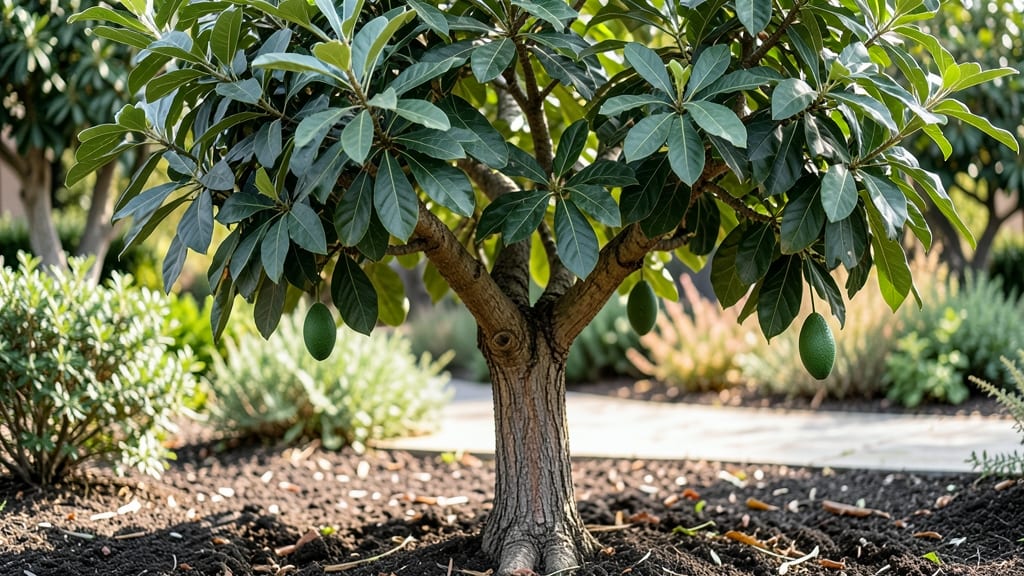
Your avocado tree needs sunlight to thrive—at least 6 hours of direct light daily for healthy growth and fruit production, but too much can scorch its leaves.
Struggling to grow a thriving avocado tree? Sunlight exposure is the single most critical factor—too much or too little can mean the difference between a lush, fruit-bearing tree and a struggling plant.
Without the right balance, you might end up with yellowing leaves or stunted growth, even if you’re watering and fertilizing correctly.
Avocado trees love full sun, especially in Zone 9b climates, but they also need protection from harsh afternoon rays in hotter regions. The key is finding that sweet spot where your tree gets enough light to grow strong but isn’t fried by the midday heat.
In this guide, I’ll break down exactly how much sunlight your avocado tree needs at each stage of growth, how to spot signs of too much or too little light, and practical tips for positioning—whether you’re growing it indoors or outdoors.
Let’s get your 🥑 tree the perfect light balance for maximum fruit production.


How many hours of sunlight does an avocado tree need for optimal fruit production?
If you're dreaming of harvesting juicy avocados from your own tree, sunlight is the foundation—without it, your tree will struggle to grow, flower, and produce fruit. Avocado trees (Persea americana) are native to tropical and subtropical regions, where they thrive under bright, direct sunlight.
But here's the catch: their sunlight needs change dramatically as they grow, from delicate seedlings to towering fruit-bearing giants.
The minimum sunlight requirement for an avocado tree is 6 hours of full sun daily, but for optimal fruit production, most varieties need 8 to 10 hours of direct sunlight.
In hot climates like Zone 9b or warmer, afternoon shade can prevent leaf scorch, while cooler regions may need full sun exposure year-round. Let’s break down the exact sunlight needs by growth stage and how to measure exposure accurately.
| Growth Stage | Sunlight Needs | Regional Adjustments | Key Notes |
|---|---|---|---|
| Seedling (0-1 year) | 4-6 hours of bright, indirect light | Avoid direct midday sun (can scorch tender leaves) | Use shade cloth (30-50%) if outdoors |
| Juvenile (1-3 years) | 6-8 hours of full sun | Hot climates: afternoon shade (2-4 PM) | Gradually acclimate to full sun over 2-3 weeks |
| Mature (3+ years) | 8-10+ hours of direct sunlight | Cooler zones: south-facing exposure maximizes light | Fruit production drops with <5 hours of sun |
| Container-Grown | 6+ hours (rotate weekly for even growth) | Indoors: grow lights (12-14 hrs/day) | South-facing window or balcony ideal |
For seedlings, I recommend starting with 4-6 hours of bright, indirect light to avoid shocking their delicate leaves. Place them near a east-facing window or under a 50% shade cloth if outdoors.
Young trees can’t handle the intensity of direct midday sun, which can cause leaf burn and stunted growth. Think of this stage as their "sunlight training wheels"—gradual exposure is key.
Once your avocado tree reaches the juvenile stage (1-3 years), it’s ready for more sunlight—6-8 hours of full sun daily. This is when you’ll see faster growth and the first signs of flower buds.
However, in hot climates like Southern California or Arizona, afternoon shade (between 2 PM and 4 PM) can prevent leaf scorch.
If you’re in a cooler region like Zone 8 or 9a, aim for full sun exposure all day, as shorter days can limit fruit production.
Mature avocado trees (3+ years old) are the most demanding when it comes to sunlight—they need 8-10+ hours of direct sunlight daily to produce high-quality fruit.
If your tree is in a shady spot, it may still grow but will likely produce fewer avocados or none at all. In temperate zones, position your tree in the southernmost part of your yard to capture the most sunlight.
If you’re growing in containers, rotate the pot every few days to ensure even growth and prevent the tree from leaning toward the light.
Measuring sunlight exposure accurately is easier than you think. Use a sunlight tracker app (like Sun Surveyor) or a simple DIY method: place a white piece of paper under the tree and mark the sun’s shadow every hour.
If the shadow is less than 2 feet long at noon, your tree is getting enough direct sunlight. For partial shade, the shadow should be 3-4 feet long during peak sun hours.
If shadows are longer than 5 feet, your tree is likely in low-light conditions, which can stunt its growth.
Regional adjustments are crucial because avocado trees hate sudden changes. For example, in Florida or Hawaii, where sunlight is intense year-round, afternoon shade is a must to prevent leaf desiccation. In contrast, cooler coastal areas like Northern California can benefit
Signs your avocado tree is getting too much or too little sun (and how to fix it)
Avocado trees thrive under full sun but can suffer dramatically when sunlight is too intense or insufficient. Watch for leaf discoloration, crispy edges, or stunted growth—these are classic signs your tree’s light balance is off.
Unlike many plants, avocados can’t recover quickly from sunburn or nutrient deficiencies caused by poor light exposure, so acting fast is key.
If your tree’s leaves are turning yellow with brown patches, it’s likely getting too much direct sun, especially in hot climates. On the flip side, pale, weak leaves or long, leggy stems signal insufficient light.
Both extremes stress the tree, reducing fruit production and even killing young seedlings. Let’s diagnose the issue and fix it before permanent damage occurs.
⚠️ Critical Sunlight Warning for Avocado Trees
Too much sun: Leaves develop brown, crispy patches (sunburn) within 2-3 weeks of excessive exposure. Fix: Prune lower branches for partial shade or use 30% shade cloth during peak hours (10 AM–2 PM).
Too little sun: Leaves turn pale green/yellow and stems stretch unnaturally long. Fix: Move to a sunnier spot (south-facing window or grow lights for indoor trees) or transplant outdoors in full sun.
For sunburned leaves, start by pruning damaged foliage to redirect energy to healthy growth. Focus on removing crispy, brown edges while keeping the central leaf structure intact.
This encourages new, sun-adapted leaves to grow. Pair this with daily watering (avocado trees need 1-2 inches of water weekly) to help the tree recover faster.
If your tree is stretching toward light, it’s begging for more direct sunlight. Container-grown avocados? Rotate the pot quarter-turns weekly to ensure even light exposure all around. Outdoor trees?
Consider relocating to a sunnier microclimate, like near a south-facing wall or away from tall shade trees. Even 2 extra hours of sun daily can transform growth.
In hot climates (Zones 9b+), afternoon shade is a game-changer. Use shade cloth (30-50%) during 11 AM–3 PM to block harsh rays while still allowing morning light.
This mimics the tree’s natural tropical canopy and prevents leaf scorch. For indoor trees, supplement with a 12-hour LED grow light placed 6-12 inches above the canopy.
Finally, mulch the base with 2-3 inches of organic mulch (like wood chips) to regulate soil temperature. This helps retain moisture in hot sun and prevents root stress from temperature swings.
Combine this with balanced fertilizer (6-6-6 NPK) every 6-8 weeks to support recovery. With these fixes, your avocado tree can rebound in 4-6 weeks—just in time for fruit-bearing season!