
Pruning
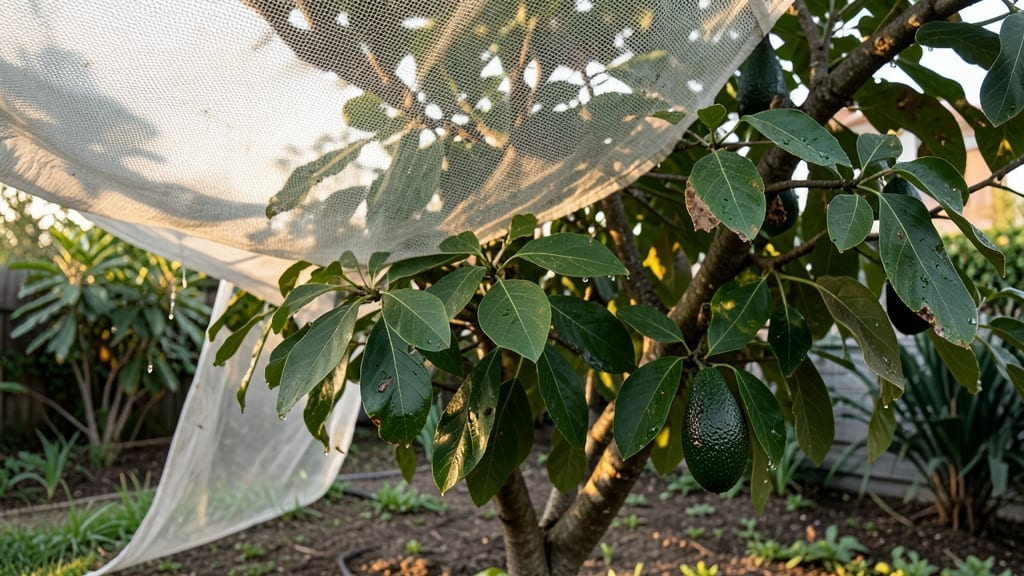
Your avocado tree’s scorched leaves and fruit aren’t a death sentence—just a sign it’s had too much sun too fast. 🌿 I’ve nursed back three sunburned trees in my own yard, and the fixes are simpler than you’d think, starting with gradual shade adjustments and smart watering habits.
The damage shows up as white or yellow patches on leaves, or leathery spots on fruit—classic signs your tree’s been fried by afternoon rays.
Most cases happen when you move a young tree outside without acclimating it first, or when a mature tree suddenly gets more sun after pruning nearby branches.
Within a few weeks, you’ll see new growth filling in those damaged spots if you keep the soil moist (not soggy) and provide afternoon shade. For long-term health, choose sun-tolerant varieties like ‘Hass’ or plant your tree where it gets morning sun and afternoon relief.
This isn’t a slow process—you’ll see improvement in just a few weeks with the right care. The key is consistency: water deeply twice a week, monitor the leaves, and adjust shade as needed. Your tree will bounce back stronger than ever.
Sunburn’s Hidden Triggers
Avocado trees are tropical powerhouses, but their delicate skin—both on leaves and fruit—is surprisingly vulnerable to intense sunlight. When exposed to too much UV radiation, especially during hot, dry spells, the tree’s protective waxy cuticle can’t shield its tissues fast enough.
The result? Unsightly brown patches, cracked fruit, and weakened growth. Let’s break down the real reasons this happens, so you can protect your tree before damage sets in.
Avocado trees thrive in partial shade**, but when temperatures soar above 90°F (32°C), their leaves and fruit become sitting ducks for sunburn. Here’s why:
- Overheated Cells: High temperatures cause photosynthesis to stall, leaving chlorophyll vulnerable. Without proper cooling, cells dry out and oxidize, turning brown or gray.
- Thin Cuticle Struggle: Young avocado trees (or newly planted ones) have underdeveloped waxy coatings, making their skin 50% less protective against UV rays than mature trees.
- South-Facing Foliage: Leaves on the sunniest side of the tree (usually south in the Northern Hemisphere) absorb the most direct rays, leading to uneven scorching.
💡 Pro Tip: If your tree is in a hot, open area, prune lower branches to reduce dense foliage that traps heat. A 30% shade cloth during peak afternoon sun can also help.
Avocado trees hate surprises. If you’ve recently moved a potted tree or pruned heavily, the sudden increase in sunlight can fry the leaves faster than the tree can adapt.
- Light Shock: Trees acclimated to shade (e.g., under other plants) get sunburn within hours when exposed to full sun. Their chlorophyll breaks down, causing bleached or crispy patches.
- Root Stress + Sunburn Combo: Transplanting disrupts water uptake, so leaves can’t sweat out excess heat via transpiration. This doubles the risk of sun damage.
- Fruit Vulnerability: Young avocados (especially Hass varieties) develop blackened or leathery skin if moved from shade to sun too quickly.
🌱 Fix It Fast: Gradually harden off your tree by moving it to sunnier spots for 1-2 hours daily, increasing exposure over 2-3 weeks. Avoid midday sun during the transition.
Sunburn isn’t just about sunlight—it’s a two-pronged attack with drought. When an avocado tree is underwatered, its leaves lose their ability to regulate temperature, making them 3x more susceptible to UV damage.
- Closed Stomata = Heat Trap: Under stress, leaves close their pores to conserve water, but this traps heat inside like a greenhouse, accelerating cell damage.
- Nutrient Deficiencies: Drought reduces nutrient uptake, weakening the cuticle’s protective oils. Without these, leaves burn faster.
- Fruit Splitting Risk: Water-stressed avocados absorb uneven moisture when finally watered, causing cracks that expose flesh to sunburn.
💦 Hydration Hack: Deep-water your tree 2-3 times per week during heatwaves (check soil 3 inches down—it should be damp, not soggy). Mulch heavily (3-4 inches of organic matter) to retain moisture.
Pruning is essential, but aggressive or improper cuts can leave your avocado tree’s skin dangerously thin, increasing sunburn risk.
- Thinning Too Much: Removing more than 25% of foliage at once reduces the tree’s natural shade canopy, exposing inner branches to harsh rays.
- Uneven Canopy: If you only trim the bottom (for harvest access), the top leaves get overloaded with direct sun while lower branches stay shaded.
- Wound Gaping: Large cuts don’t heal quickly in avocados, leaving raw tissue vulnerable to UV radiation and fungal infections.
✂️ Prune Smart:
- Use clean, sharp shears to make small, slanted cuts just above a leaf node.
- Avoid trimming in peak sun hours (10 AM–4 PM)—do it early morning or late afternoon.
- Focus on airflow: Remove crossing branches and dead wood to prevent heat pockets.
Revive Your Avocado Tree Now
Avocado trees are sun-lovers, but too much direct sunlight—especially in hot climates—can turn their leaves and fruit into crispy, browned messes. The good news? With the right care, you can nurse your tree back to health and prevent future damage.
Here’s how to tackle sunburned leaves and fruit based on the root cause, plus simple prevention tips to keep your avocado tree thriving.
If your avocado tree’s leaves are already showing signs of sunburn (yellowing, browning, or curling), act fast to minimize further damage.
💧 Hydrate Like Crazy
Sunburn weakens leaves by drying them out. Give your tree a deep watering—soak the soil until water drains from the bottom of the pot (if potted) or runs 6–12 inches deep into the ground.
Repeat every 2–3 days until new growth appears. - Pro Tip: 💡 Water in the early morning to reduce evaporation and give roots time to absorb moisture before the sun peaks.
🌳 Provide Shade Strategically
Move potted trees to a shadier spot (like under a patio cover or near a wall) for a few weeks.
For in-ground trees, install lightweight shade cloth (30–50% coverage) to filter harsh rays while still allowing airflow. - Quick Fix: Use a white umbrella or tarp to shield the tree temporarily while you set up permanent shade solutions.
🍂 Prune Damaged Foliage Severely burned leaves won’t recover.
Use clean, sharp pruners to trim: - Brown or crispy leaves (cut back to healthy green growth). - Leaves with large sunburn patches (remove entirely to redirect energy to new leaves). - Pro Tip: ✂️ Sterilize your pruners with rubbing alcohol to prevent disease spread.
Avocado fruit is especially vulnerable to sunburn because the skin can’t reflect heat like leaves. While you can’t reverse damage on already browned fruit, you can salvage partially affected fruit and protect the rest.
🥑 Harvest Early (If Needed)
If fruit is soft or mushy from sunburn, pick it immediately—it won’t ripen properly.
Check for: - Leathery or wrinkled skin (overripe and unsafe to eat). - Firm but discolored patches (can still be used in smoothies or guacamole). - Pro Tip: 🍎 Store harvested avocados in a paper bag with a banana to speed up ripening (if the fruit is still salvageable).
🛡️ Protect Remaining Fruit
For future harvests, wrap individual fruits with lightweight white paper or aluminum foil (like sunscreen for avocados!). Secure with a rubber band or twist tie, leaving the stem exposed. - Alternative: Use kaolin clay (a natural sunscreen for plants) to create a reflective barrier.
Mix 1 cup clay with 1 gallon of water and spray on fruit.
🌱 Adjust Tree Placement
If your tree is in a hot, exposed area, consider:
- Planting near a north-facing wall (in the Northern Hemisphere) for natural shade.
- Using reflective mulch (like white gravel or aluminum foil) around the base to bounce light away from the trunk and fruit.
Once your tree recovers, prevent future sunburn with these easy habits:
🌤️ Gradual Sun Exposure
If you’re moving a potted avocado tree outdoors, acclimate it slowly:
- Week 1: 2–3 hours of morning sun.
- Week 2: 4–5 hours, including light afternoon shade.
- Week 3+: Full sun (6+ hours) only if the tree shows no stress.
💧 Consistent Watering
Sunburn thrives in dry, stressed trees. Water deeply 2–3 times per week (more in extreme heat). Test soil moisture by sticking your finger 2 inches deep—if it’s dry, water again.
🌿 Mulch Like a Pro
Spread 2–4 inches of organic mulch (wood chips, straw) around the base to:
- Retain moisture.
- Regulate soil temperature.
- Reduce evaporation.
- Avoid: Piling mulch against the trunk (keep it 3–4 inches away to prevent rot).
🍃 Choose the Right Variety
Some avocado varieties handle heat better than others. If you live in a hot climate, consider:
- Hass (tolerates some heat but needs afternoon shade).
- Fuerte (more sun-resistant than Hass).
- Bacon (great for warm, dry areas).
With proper care, most avocado trees show new growth in 4–6 weeks. Severely burned trees may take 2–3 months to fully recover, but consistent watering and shade will speed up healing.
Remember: 🌱 Patience is key! Avocado trees are resilient—give them the right conditions, and they’ll bounce back stronger than ever.
Frequently asked questions
How do I tell if my avocado tree has sunburn vs. disease or pests?
Sunburn shows as white, yellow, or brown patches on leaves and fruit that appear suddenly after hot days. Unlike fungal diseases (which cause spots with fuzzy edges) or pests (which leave holes or webbing), sunburn damage is usually dry and crispy, not wet or slimy. Check the sunniest side of the tree first—those areas get hit hardest.
Can I save avocado fruit that’s already sunburned?
Partially affected fruit can still be used! If the skin has leathery patches but the flesh feels firm, cut away the damaged areas and enjoy it in smoothies or guacamole. Avoid fruit that’s soft, mushy, or cracked open—these are past saving. For future fruit, wrap individual avocados in lightweight white paper to shield them from direct rays.
How long does it take for an avocado tree to recover from sunburn?
With proper care, you’ll see new growth in 4-6 weeks. Severely damaged trees may take 2-3 months to fully recover. Focus on deep watering 2-3 times per week and providing afternoon shade during peak heat. Avoid pruning until new leaves appear—this helps the tree redirect energy to healing.
What’s the best shade solution for a sunburned avocado tree?
For potted trees, move them to a patio cover or north-facing wall (Northern Hemisphere). For in-ground trees, install 30-50% shade cloth during afternoon sun. If you need a quick fix, drape a white umbrella or tarp over the tree temporarily. Avoid dense shade—avocado trees still need at least 4 hours of morning sun daily.
Will my avocado tree grow back if I prune all the sunburned leaves?
Yes! Pruning severely damaged leaves actually helps the tree recover faster by redirecting energy to healthy growth. Use clean, sharp pruners to cut back to healthy green tissue. Just don’t remove more than 25% of the foliage at once—this prevents additional stress. You’ll notice new leaves sprouting within 2-4 weeks if conditions improve.