
Pruning
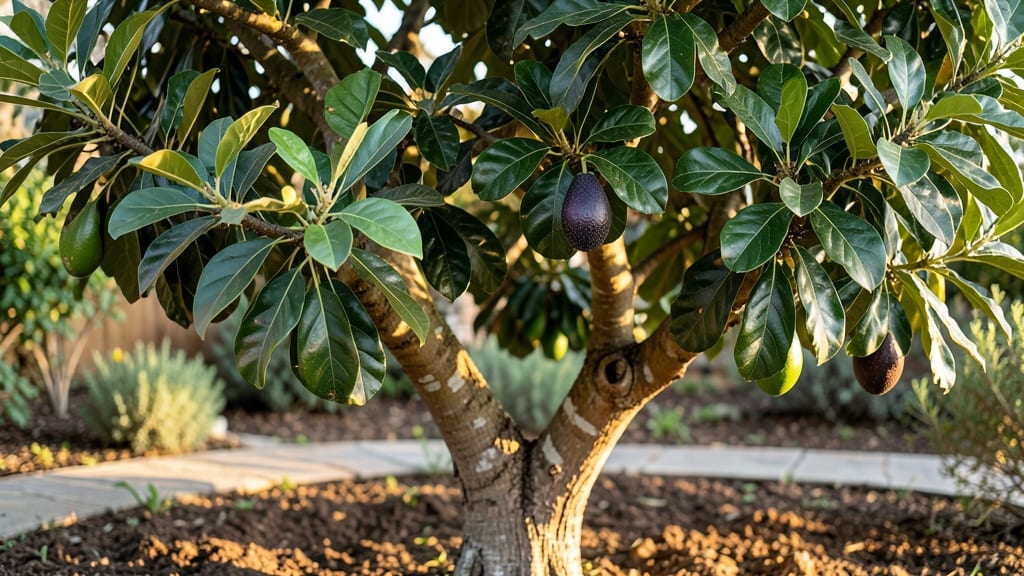
Your avocado tree thrives in bright, direct sun—at least 6-8 hours daily—or it’ll drop leaves and fruit like a sulking teenager. 🌿 I learned this the hard way when my first tree turned into a sad, leggy stick after a winter indoors.
The key isn’t just sunlight exposure but how you manage it through seasons, pruning, and even your local climate quirks. Avocados love full sun, but they hate scorching afternoons in hot zones like Arizona or Florida. In cooler areas (Zones 9-11), morning sun with afternoon shade prevents leaf burn.
Prune strategically: cut back leggy growth to open the canopy for even light distribution, and always prune after harvest to encourage new, sun-hungry branches. You’ll know you’ve nailed it when your tree sports glossy, dark-green leaves and sets fruit reliably. The trade-off?
A little extra care in summer—water deeply but infrequently, and mulch to keep roots cool. Overwatering or shade stress will send your tree into a spiral of yellow leaves and dropped fruit, no matter how much sun it gets. For container growers, rotate pots weekly to ensure even light exposure.
In windy coastal areas, secure young trees to avoid sun-scorched leaves from salt spray. Master this, and you’ll have a productive tree year-round—no sad, bare branches in sight.
📚 In This Guide
- What you need
- Instructions
- Tips and common mistakes
- Wrapping up and next steps
What you need
- ● Pruning shears – Bypass pruners (sharp, 6-8 inch blades) for clean cuts on small branches.
- ● Loppers – 8-10 inch for thicker branches (up to 2 inches in diameter).
- ● Pruning saw – Curved-tooth saw for branches thicker than 2 inches.
- ● Disinfectant – Rubbing alcohol (70%+) or bleach solution (1 part bleach to 9 parts water) to sterilize tools and prevent disease.
- ● Garden gloves – Heavy-duty, cut-resistant (avocado trees have thorns!).
- ○ Tree wound dressing – Optional but helpful for sealing larger cuts (e.g., pruning sealant or beeswax-based product).
- ● 5-gallon bucket – For collecting pruned branches and debris.
- ● Ladder or step stool – Sturdy, extendable (ensure it’s rated for your height and weight).
- ● Safety glasses – Protects eyes from debris and sap.
- ● Long sleeves & pants – Lightweight, breathable fabric to shield against thorns and sun exposure.
- ● Water & sunscreen – Avocado pruning is best done on bright, sunny days—stay hydrated!
- ● Weather check – Avoid pruning during rain, wind, or extreme heat (ideal temps: 60–85°F).
- ● Tree identification – Confirm your avocado tree’s variety (e.g., Hass, Fuerte, or Reed) for tailored pruning needs.
- ● Sharpener – File or honing tool to keep blades razor-sharp.
- ● Marking spray – Water-soluble paint to tag branches for future reference.
- ● Compost bin – For repurposing small pruned branches as mulch.
- ● Extension pole – Helps reach high branches without a ladder.
How to prune an avocado tree for year-round growth
Here's the method I've used to keep my avocado tree thriving indoors—strategic cuts keep it healthy and productive.
☀️ Step 1: Understand Your Tree's Light Needs First
Avocados crave bright, indirect light for 6-8 hours daily. If your tree leans toward the window or grows lopsided, it's begging for more even light exposure. I rotate my tree a quarter turn weekly so all sides get equal sun—this prevents weak, leggy growth.
Check for light deprivation by looking for pale, yellowing leaves or stems stretching toward the light. These are your signals to adjust placement or supplement with a grow light for 12-14 hours daily. Without proper light, pruning will only make the problem worse by stressing an already struggling tree.
✂️ Step 2: Prune for Airflow and Shape in Spring
Wait until late winter or early spring when new growth begins to appear. This is when your tree enters its active growth phase and can handle pruning best. Start by removing any dead, diseased, or crossing branches—these compete for energy and can block sunlight from reaching inner leaves.
Use clean, sharp pruning shears to make cuts just above a leaf node or outward-facing bud. I always cut at a 45-degree angle about ¼ inch above the bud to encourage faster healing. Never leave stubs—they invite disease. For thicker branches, make a second cut 6-12 inches away to avoid tearing the bark.
🌿 Step 3: Lighten the Canopy in Summer
During summer's peak growth, focus on thinning the canopy to improve airflow and sunlight penetration. Look for branches growing inward or upward—these create dense shade where humidity lingers, inviting fungal issues. Remove 20-30% of the foliage by cutting back these problem branches to their origin.
This isn't about drastic reshaping—think of it as giving your tree a breath of fresh air. You'll see new growth emerge from the inner branches within 4-6 weeks, signaling the tree is responding well. Avoid heavy pruning during summer's heat—your tree needs all its energy to support existing foliage and fruit production.
⏰ Step 4: Prepare for Dormancy in Fall
As days shorten in fall, reduce pruning to minimal maintenance only. Focus on removing any suckers (shoots growing from the base or trunk) and any branches that look diseased or damaged. These cuts help redirect energy toward root development and preparing for winter.
I also do a final check for any branches growing toward the center of the tree. These create weak spots where light can't penetrate. Make these cuts in late fall, just before your tree naturally slows growth. Avoid heavy pruning now—you're preparing the tree for its dormant period, not stimulating new growth.
🌱 Step 5: Light Maintenance Pruning Year-Round
Between major pruning sessions, keep an eye out for branches that grow too long or develop yellow leaves. These are opportunities for light maintenance pruning. Cut back any leggy growth to encourage bushier development, and remove any leaves that show signs of disease or pest damage immediately.
I like to do a quick inspection every 2-3 months, trimming just enough to maintain shape and health. The key is to never remove more than 25% of the foliage in any one session. Your goal is to keep the tree looking its best while encouraging continuous, healthy growth throughout the year.
Tips & tricks for perfect avocado tree sun pruning
Here's what nobody tells you about keeping your avocado tree thriving after the initial cuts.
Light Rotation Strategy: That quarter turn weekly I mentioned? It's not just about even light—it's about preventing your tree from developing a permanent lean toward the window. I've seen trees grow so lopsided they look like they're doing a slow-motion stretch toward the sun. Set a reminder every Sunday morning to rotate your tree. The 6-8 hours of light becomes more effective when distributed evenly across all sides, and you'll notice new growth appearing more uniformly within 4-6 weeks. This simple habit prevents that "one-sided" look that makes trees look neglected.
Seasonal Pruning Timing: The instructions mention late winter/early spring, but here's the real secret: Watch for the first tiny green buds appearing on your branches. That's your exact cue to prune—don't wait for calendar dates. I've missed this window twice and ended up with stunted growth. For summer pruning, time your 20-30% foliage reduction right after a heavy rain. The tree uses that moisture to recover faster from the stress of cutting. And in fall, make those final cuts on a cloudy day—the tree handles the shock better without direct sunlight.
Tool Maintenance: Your pruning shears aren't just tools—they're your tree's first line of defense. Clean them with rubbing alcohol between cuts, especially when dealing with diseased branches. I sterilize mine in boiling water for 10 minutes after each major pruning session. A dull blade tears bark instead of making clean cuts, which invites infections. And here's a pro move: Keep a small bottle of tree wound sealant handy for any cuts larger than a pencil's width. It's not essential, but it helps larger wounds heal faster.
Post-Pruning Care: After any significant pruning (especially the 20-30% summer cut), give your tree a nutrient boost. I use a balanced liquid fertilizer diluted to half strength and apply it to the soil surface. Water it in thoroughly, and repeat every 4-6 weeks during the growing season. The tree uses these nutrients to recover from the stress of pruning and produces that new growth you'll see emerging from inner branches within weeks. Don't skip this step—your tree is essentially "injured" after pruning and needs help healing.
Pro Tips for Avocado Tree Sun
- Here's what nobody tells you about keeping your avocado tree thriving after the initial cuts.
- Light Rotation Strategy: That quarter turn weekly I mentioned?
- Seasonal Pruning Timing: The instructions mention late winter/early spring, but here's the real secret: Watch for the first tiny green buds appearing on your branches.
Frequently asked questions
Got questions about keeping your avocado tree thriving under the sun? Here are answers to the most common ones—so you can prune with confidence!
How much sun does an avocado tree need after pruning?
Avocado trees love full sun (6–8 hours daily), but young or recently pruned trees may need gradual exposure. Start with morning sun and shade in the afternoon to avoid leaf burn. Mature trees can handle direct sun year-round, but watch for yellowing leaves—this could signal stress or over-exposure.
When is the best time to prune an avocado tree for sun exposure?
Prune in late winter or early spring (just before new growth starts) to maximize sun penetration. Avoid heavy cuts in summer or fall, as this can stress the tree. Light shaping prunes are fine anytime, but major structural work should wait for dormancy season.
Can I prune an avocado tree too much for sun?
Yes! Over-pruning removes too much foliage, leaving the tree vulnerable to sunburn or weak growth. Never remove more than 25% of the canopy in one session. Focus on thinning dense areas to improve airflow and light access—avoid "top-heavy" cuts that disrupt the tree’s natural shape.
What if my avocado tree’s leaves turn yellow after pruning?
Yellowing leaves often mean sun stress or nutrient loss. Gradually acclimate the tree to more sun, and fertilize with a balanced citrus mix (like 6-6-6). If yellowing persists, check for pests or root issues. Prune lightly to reduce stress while the tree recovers.
Are there sun-resistant avocado varieties?
Some varieties handle sun better than others. Hass and Fuerte are hardy but still need shade in extreme heat. For hot climates, consider Lamb Hass or Bacon—they tolerate more sun but still benefit from afternoon shade. Always match your variety to your local climate!
Wrapping up and next steps
Mastering the art of avocado tree sun pruning is your ticket to a thriving, fruit-bearing tree year-round! 🌿 By strategically trimming for sunlight exposure, you’re not just shaping your tree—you’re investing in its health, productivity, and longevity.
Start small, observe your tree’s response, and gradually refine your technique for the best results.
Ready to take the next step? Grab your pruners, schedule a monthly check-in with your tree, and watch it flourish! 🌞 With patience and practice, your avocado tree will reward you with lush foliage and delicious fruit for years to come.