
Light Requirements
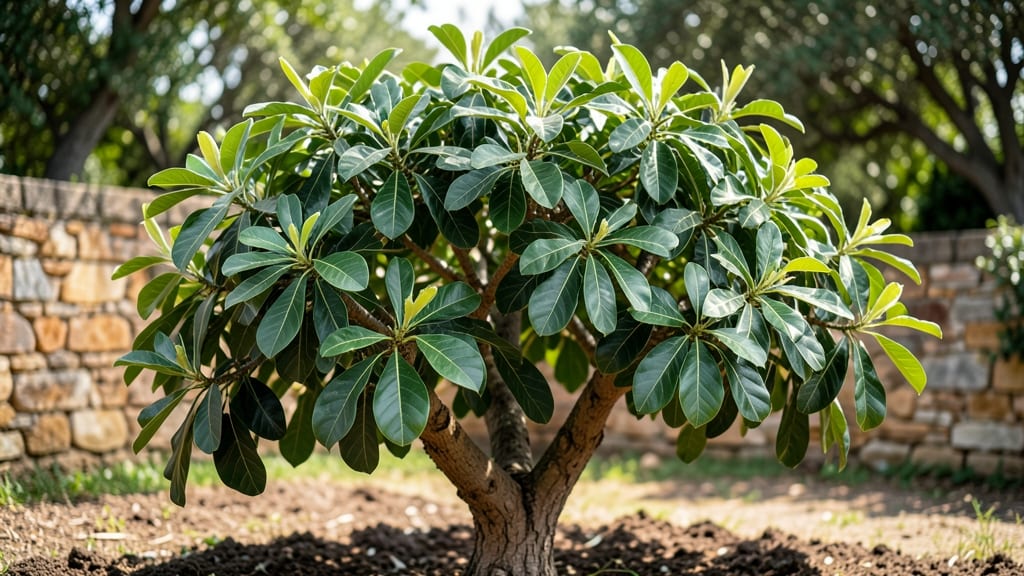
The sun requirements for an avocado tree demand at least 6 hours of direct light daily—whether you're growing them outdoors or indoors 🥑.
Struggling to keep your avocado tree alive? The secret might be simpler than you think—most avocado trees die from getting too much or too little sun. Mastering their light needs is the first step to a thriving, fruit-bearing tree, whether you're growing in a pot or your backyard.
In hot climates like USDA Zone 6a, afternoon shade can prevent leaf scorch, while tropical regions may need morning sun protection. Indoor growers often face the biggest challenge—balancing bright light without overheating the leaves.
Below, I’ll show you how to spot the signs of sun stress, adjust light exposure by season, and even create shade solutions for container-grown trees. Let’s get your avocado tree the perfect balance of light!


Ideal sunlight hours for avocado trees by growth stage
Avocado trees thrive on sunlight, but their needs change dramatically from seedling to maturity. Too much sun can scorch leaves, while too little stunts growth and reduces fruit production. Understanding these sunlight requirements by growth stage ensures your tree grows strong and productive.
Whether you're growing in a pot or your backyard, these guidelines will help you optimize light exposure for each phase.
Seedlings are the most delicate stage, requiring gentle sunlight to prevent stress. Young trees need more light to establish their root systems, while mature avocado trees demand full sun for optimal fruit development.
The climate zone also plays a critical role—tropical regions may need afternoon shade, while Mediterranean climates benefit from unfiltered sun.
🌱 Comparison Table: Avocado Tree Sunlight Requirements by Growth Stage
Mediterranean: Dappled shade
Mediterranean: Full sun with windbreaks
Mediterranean: Mulch to retain moisture
Seedlings need only 4-6 hours of sunlight daily to prevent leaf burn. Place them in a spot with morning sun and afternoon shade, especially in hot climates. If growing indoors, use a south-facing window or grow lights for 12-14 hours per day.
Avoid placing seedlings in direct midday sun, which can cause irreversible damage to delicate leaves.
Young avocado trees (1-3 years old) can handle 6-8 hours of sunlight but still benefit from afternoon shade in tropical regions. In Mediterranean climates, full sun is ideal, but ensure the tree has access to water to prevent stress.
Gradually acclimate young trees to more sunlight over 3-4 weeks to avoid shock.
Mature avocado trees require 8+ hours of full sun for optimal fruit production. Without enough light, trees may produce fewer avocados or none at all. In hot climates, provide some afternoon shade to prevent leaf scorch, but avoid excessive shade, which can reduce fruit quality.
Use reflective mulches or light-colored surfaces to enhance sunlight exposure.
In tropical climates, afternoon shade is crucial to protect leaves from intense sunlight. Use shade cloth (30-50%) or plant nearby trees to create dappled shade. In Mediterranean climates, full sun is preferable, but ensure the tree has deep watering to handle the heat.
Adjust care based on seasonal changes—summer may require more shade, while winter can allow for full sun exposure.
Container-grown avocado trees have different sunlight needs than those planted in the ground. Rotate pots regularly to ensure even light exposure, and place them in the sunniest spot available.
If indoors, supplement with grow lights, especially during winter when natural light is limited. Monitor leaf color—yellowing indicates insufficient light, while brown edges signal too much sun.
Adjust sunlight exposure based on your tree's growth stage and climate. For example, a seedling in Florida may need morning sun only, while a mature tree in California can handle full sun year-round.
Pay attention to leaf health: dark green leaves indicate optimal light, while pale or yellow leaves suggest insufficient sun, and crispy edges mean too much exposure.
If your avocado tree isn't thriving, reassess its sunlight conditions. Move it to a sunnier spot gradually, or provide shade if it's getting too much heat. With the right balance, your tree will grow strong, produce abundant fruit, and reward you with delicious avocados for years to come. 🌿🌞
Signs your avocado tree is getting too much or too little sun
Avocado trees thrive in bright, indirect sunlight, but they're surprisingly sensitive to light extremes. Too much sun causes leaf scorch and sunburn, while too little leads to yellowing leaves and weak growth.
The key is finding that sweet spot where your tree gets 6-8 hours of filtered sunlight daily, especially in hot climates.
If your avocado tree is struggling, the first place to look is its leaves and growth patterns. Sunburned leaves appear crispy with brown edges, while underlit trees develop pale, elongated leaves. Both conditions signal your tree isn't getting the right light balance for optimal health and fruit production.
⚠️ callout warning
⚠️ Critical Sunlight Warning for Avocado Trees
Too Much Sun: Leaves develop brown, crispy patches (sunburn) and may drop prematurely. Fruit can scorch and become unmarketable.
Too Little Sun: Leaves turn yellow (chlorosis) and grow long and weak. Trees produce fewer flowers/fruit and may stop growing entirely.
Ideal Fix: Move potted trees to dappled shade or use lightweight shade cloth (30-50%) during peak afternoon sun (12 PM - 4 PM).
One of the most common signs of excessive sunlight is leaf scorch, where edges turn brown and crispy. This happens when intense afternoon sun (especially in USDA Zones 9-11) exceeds what your tree can handle. Check the south-facing leaves first—they bear the brunt of direct sun exposure.
On the opposite end, yellowing leaves (chlorosis) indicate insufficient light. Unlike nutrient deficiencies, these yellow leaves stay soft and flexible, not brittle. If you notice this, try moving your tree to a sunnier spot gradually—sudden changes can shock the plant.
For container-grown avocado trees, watch for stunted growth and poor fruit set. These trees often get too little light indoors or too much direct sun outdoors without protection. Rotate your pot quarter-turns weekly to ensure even light exposure and prevent leaning toward the sun.
🌱 Pro Tip: Use a light meter (or phone app) to measure 10,000-15,000 lux at leaf level—this is the ideal range for avocado trees. If readings drop below 5,000 lux, supplement with a grow light for 4-6 hours daily.