
Pruning
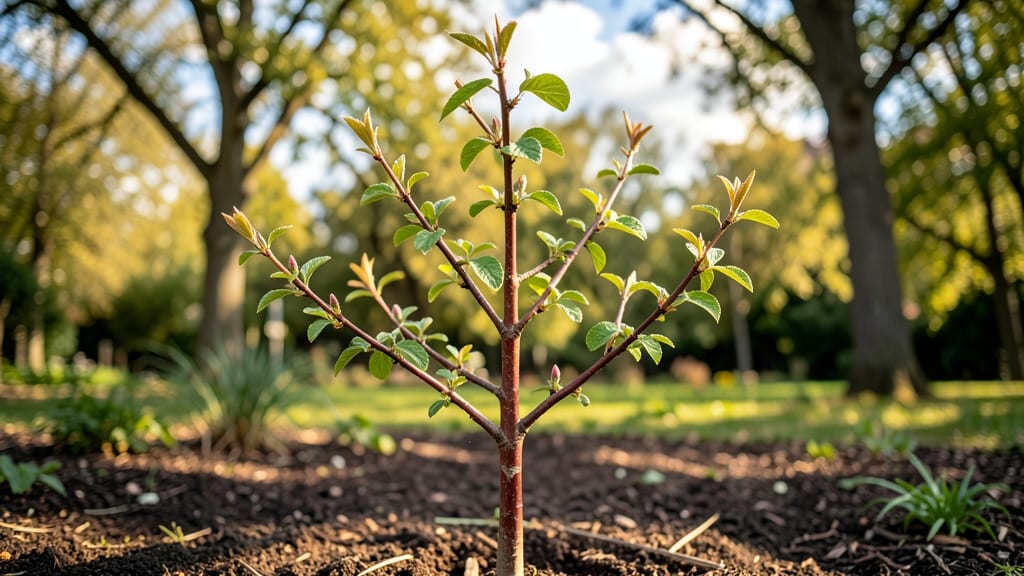
Planting an apricot tree sapling transforms your yard into a sun-drenched orchard within years—if you follow the right steps. I learned the hard way that skipping soil prep or pruning too early means stunted growth and fewer fruits. The secret to success?
Starting with well-draining soil, choosing the perfect spot, and mastering that first critical prune. Your sapling needs 6+ hours of sunlight daily and protection from strong winds, especially in its first winter.
Amend heavy clay soil with compost to prevent root rot, and water deeply twice a week for the first month. Apricots thrive in USDA zones 5-9, but young trees need winter mulch in colder climates to prevent frost damage.
By summer’s end, you’ll see strong branches and maybe even a few blossoms. The real magic happens in year two, when proper pruning opens the canopy for better fruit production.
I’ve watched my saplings go from fragile stems to 12-foot trees bearing sweet, golden fruit—all thanks to these early habits. Avoid these rookie mistakes: overwatering, pruning at the wrong time, or planting too deep. With patience and precision, your apricot tree will reward you for decades.
Let’s get those roots growing!
📚 In This Guide
- What you need
- Instructions
- Tips and common mistakes
- Wrapping up and next steps
What you need
- ● Apricot Tree Sapling: 1 healthy, disease-free sapling (bare-root or potted, 1–2 years old)
- ● Pro tip: Choose a variety suited to your USDA hardiness zone (e.g., ‘Royal’ for cold climates or ‘BlazeGold’ for heat). 🌡️
- ● Soil & Amendments: 50 lbs well-draining soil mix (60% topsoil, 30% compost, 10% perlite/sand)
- ● 1 lb balanced fertilizer (10-10-10) or organic options like alfalfa meal
- ● 1 lb lime (if soil pH is below 6.0; test kit recommended)
- ● Planting Tools: 1 shovel (for digging)
- ● 1 trowel (for precision planting)
- ● 1 garden hose or watering can (with 2–3 gallons capacity)
- ● Pruning Supplies: 1 pair bypass pruners (sharp, for clean cuts)
- ● 1 pair loppers (for thicker branches)
- ● 1 pruning saw (for stubborn branches >1 inch thick)
- ● 1 bottle 70% isopropyl alcohol (to sterilize tools)
- ○ 1 tube pruning sealant (optional, for large wounds)
- ● Mulch (3–4 inches of wood chips or straw to retain moisture)
- ● Tree guard or wire cage (to protect young saplings from pests)
- ● Soil moisture meter (for monitoring water needs)
- ● Label tags (to track planting date and variety)
- ● Gloves (to protect hands during thorny pruning)
Step-by-step instructions for planting and pruning an apricot tree sapling
Here's how to establish your apricot sapling for a lifetime of fruit—with pruning techniques that keep it healthy and productive.
🪴 Step 1: Choose the Perfect Planting Spot
Apricot trees thrive in full sun (6-8 hours daily) and need well-draining soil with a pH between 6.0 and 7.5. Avoid low spots where water pools—soggy roots invite rot. I dig a hole twice as wide as the root ball but only as deep as the container’s base. This prevents burying the graft union, which weakens the tree.
Loosen the soil at the bottom of the hole with a shovel or fork to encourage root spread. If your soil is heavy clay, mix in 2-3 inches of compost from your materials list to improve drainage. The tree’s roots will thank you later with deeper growth and better stability.
🌱 Step 2: Plant the Sapling and Water Deeply
Gently remove the sapling from its container and tease the roots outward if they’re circling. Place it in the hole so the graft union (the bulge near the base) sits 1-2 inches above soil level. Backfill with the native soil, tamping lightly every 2 inches to remove air pockets. Avoid compacting too hard—you want roots to settle naturally.
Water deeply (5 gallons) immediately after planting to encourage roots to spread into the surrounding soil. The top 2 inches of soil should feel moist but not soggy. Mulch the base with 2-3 inches of organic mulch, keeping it 6 inches away from the trunk to prevent rot. This mimics the tree’s natural environment and conserves moisture.
☀️ Step 3: Prune for Structure in Early Spring
Wait until late winter or early spring, just before buds swell, to prune. Remove any dead, damaged, or crossing branches first—they compete for energy and invite pests. Next, cut back last year’s growth by 1/3 to encourage new, fruiting wood. I use clean, sharp pruners to make cuts at a 45-degree angle, just above an outward-facing bud.
Thin the center of the tree to improve airflow—apricots hate crowded branches, which trap moisture and lead to fungal diseases. Aim for an open vase shape with branches spaced 12-18 inches apart. This shape lets sunlight reach all fruit and makes harvesting easier. Avoid heavy pruning in the first year; focus on shaping rather than size.
✂️ Step 4: Maintain Through the Growing Season
Fertilize lightly in early spring with a balanced 10-10-10 formula (follow package rates) to support new growth. Apricots are heavy feeders but react poorly to excess nitrogen—too much leads to leafy growth at the expense of fruit. Water deeply once a week during dry spells, aiming for 1-1.5 inches of water per week. Drip irrigation is ideal—it delivers moisture directly to the roots without wetting the leaves.
Monitor for aphids or mites, common early-season pests. Spray affected branches with neem oil (mix 1 tablespoon per gallon of water) if you spot sticky residue on leaves. Prune out any suckers (shoots growing from the base) immediately—they drain energy from the main tree. By summer, your sapling should show strong, upright growth with no signs of stress.
⏰ Step 5: Winter Preparation for Year-Round Success
As temperatures drop below 30°F, protect young trees with 2-3 inches of mulch around the base (but not touching the trunk). Wrap the trunk in tree guard if rabbits or deer are a threat—they love tender bark. Prune again in late winter to remove any dead wood or weak branches that didn’t survive the season. This keeps the tree’s energy focused on producing fruit, not repairing damage.
Apricots are self-pollinating, but planting a second tree nearby (even a different variety) boosts fruit set. Over time, your tree will reward you with sweet, juicy apricots—but only if you stay consistent with these steps. The key is patience: it takes 3-5 years for a sapling to bear fruit, but the wait is worth it.
Tips & tricks for perfect apricot tree sapling care
These simple strategies will help you avoid common pitfalls and give your apricot tree the best possible start.
Soil Preparation: Before planting, test your soil's pH using a simple kit from your local garden center. If your soil is too acidic (below 6.0), work in 1 pound of lime per 100 square feet and mix it into the bottom of the planting hole. This adjustment prevents nutrient deficiencies that can stunt your sapling's growth. The 6-8 hours of sunlight requirement is non-negotiable—apricots simply won't thrive in shade.
Planting Depth Matters: The graft union should remain visible above soil level after planting. If you bury it completely, the tree will develop two competing growth points, leading to a weaker structure. After planting, use your finger to check that the top 2 inches of soil remain moist but not waterlogged—this is crucial for root establishment. The 5-gallon watering immediately after planting should be your first priority, as it encourages roots to spread outward rather than circling.
Pruning Technique: When pruning in late winter or early spring, make your cuts just above an outward-facing bud. This ensures new growth will develop away from the center of the tree, creating that ideal open vase shape. I always sterilize my pruners with rubbing alcohol between cuts to prevent spreading disease. The 1/3 reduction of last year's growth is perfect for encouraging fruiting wood while maintaining tree health.
Seasonal Care: During the growing season, monitor your tree's water needs by checking soil moisture every week. The top 2 inches should feel slightly dry before watering again. In winter, the 2-3 inches of mulch acts like a blanket, protecting roots from temperature swings below 30°F. Remember to remove any mulch that touches the trunk—this prevents rot and pest infestations.
Pro Tips for Apricot Tree Sapling
- These simple strategies will help you avoid common pitfalls and give your apricot tree the best possible start.
- Soil Preparation: Before planting, test your soil's pH using a simple kit from your local garden center. If your soil...
- Planting Depth Matters: The graft union should remain visible above soil level after planting. If you bury it complet...
Frequently asked questions
Got questions about growing apricot tree saplings?
Here are some of the most common concerns—plus clear, actionable answers to help you cultivate a thriving tree with confidence!
When is the best time to plant an apricot tree sapling?
The ideal time to plant an apricot sapling is in early spring (after the last frost) or late fall (6-8 weeks before the first frost). This gives roots time to establish before extreme temperatures. Avoid planting in summer heat or winter frost, as young roots are vulnerable. Pro tip: If planting in fall, mulch heavily to insulate roots!
How long does it take for an apricot tree sapling to bear fruit?
With proper care, apricot trees typically produce fruit in 3-5 years. Dwarf varieties may bear fruit sooner (2-3 years), while standard trees take longer. Patience is key—focus on pruning, soil health, and consistent watering during the first few years to encourage strong growth. Fun fact: Some heirloom varieties may take up to 6 years!
Can I grow an apricot tree in a container, or does it need to be planted in the ground?
Apricot trees prefer ground planting because they need deep roots and ample space (15-20 feet mature width). However, dwarf varieties (like ‘Goldbar’ or ‘Tilton’) can thrive in large containers (15+ gallons) for 3-5 years before transplanting. Ensure the pot has drainage holes and use well-draining soil. Warning: Container-grown trees may produce smaller yields.
What are the most common pests or diseases affecting apricot saplings, and how do I prevent them?
Watch for aphids, peach leaf curl (fungus), and borers. To prevent issues:
- Prune regularly to improve airflow.
- Apply copper fungicide in early spring for leaf curl.
- Use neem oil or insecticidal soap for aphids.
- Keep the area weed-free to reduce borer habitats.
How much sunlight and water does an apricot sapling need?
Apricot trees thrive in full sun (6-8+ hours daily) and well-draining soil. Water deeply 1-2 times per week (more in extreme heat), ensuring the top 6 inches of soil stay moist but not soggy. Avoid overhead watering to prevent fungal diseases. Mulch around the base to retain moisture. Pro tip: Drip irrigation is ideal for young trees!
Should I prune my apricot sapling in its first year, and if so, how?
Yes! Light pruning in the first year encourages a strong structure. Focus on:
- Removing dead, crossing, or weak branches.
- Opening the center to improve airflow.
- Keeping the height manageable (aim for 3-4 main branches).
Wrapping up and next steps
Growing an apricot tree sapling is a rewarding journey that blends patience with precision—especially when it comes to pruning. From selecting the right tools to mastering seasonal trims, each step ensures your tree thrives with year-round grace and bountiful harvests. 🌿✨
Now that you’re armed with the knowledge, it’s time to roll up your sleeves and give your sapling the care it deserves. Start small, stay consistent, and watch your apricot tree flourish into a stunning centerpiece for your garden or orchard. Happy pruning!