
Diseases
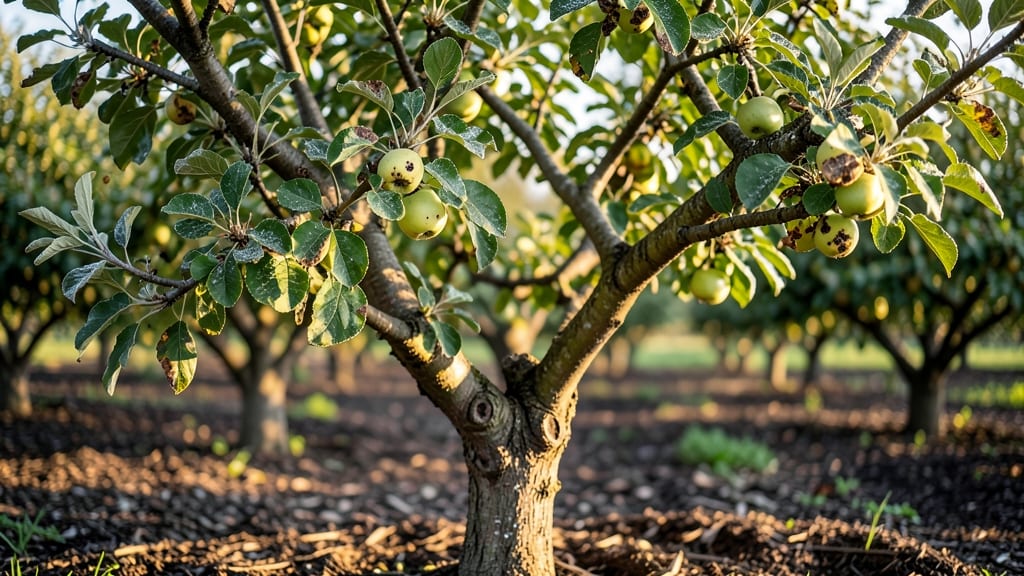
Spotting apple tree diseases early with the help of photos means saving your harvest before the blight spreads. 🍏🍂 I’ve seen healthy orchards turn into defoliated wastelands in just two weeks—until I learned to recognize the subtle signs of fungal infections.
This guide shows you exactly what to look for, from the first speck of mildew to the telltale cracks of canker, so you can act before it’s too late.
The most common culprits—apple scab, powdery mildew, and fire blight—each leave distinct marks on leaves, fruit, and bark. Apple scab starts as olive-green spots that turn fuzzy and black, while fire blight twists branches into blackened, oozing skeletons.
The key is catching these early, before they ruin your crop or kill the tree entirely. Prevention is easier than you think, and most fixes start with proper pruning and spacing.
With the right tools and timing, you can stop diseases in their tracks. Organic sprays like neem oil or copper fungicide work well when applied at the first sign of trouble, and removing infected branches in late winter keeps the tree healthy.
The goal isn’t just to treat symptoms—it’s to break the cycle so next year’s harvest stays pristine. Here’s how to do it right.
Whether you’re dealing with a single branch or a full orchard, the principles stay the same: watch, act fast, and protect your trees before the worst hits.
The photos in this guide will show you exactly what to watch for, so you can keep your apples thriving year after year. Let’s get started.
Root Causes Behind Tree Ailments
Apple trees, like any living organism, are vulnerable to diseases—but understanding why these issues arise is the first step to prevention. Fungal infections, bacterial attacks, and environmental stressors don’t strike randomly; they exploit weaknesses in your tree’s defenses.
Below, we break down the real culprits behind apple tree diseases, from microscopic invaders to seasonal triggers.
Fungi are the #1 cause of apple tree diseases, thriving in damp, warm conditions. These organisms release spores that latch onto leaves, fruit, or bark, creating infections like:
- Apple Scab (Venturia inaequalis): Spores splash from soil or infected debris onto young leaves, forming dark, oily spots.
- Powdery Mildew (Podosphaera leucotricha): Fungal hyphae spread like a white dust on leaf surfaces, blocking sunlight and stunting growth.
- Black Rot (Botryosphaeria obtusa): Fungal cankers form on branches, oozing sap and eventually killing infected wood.
Why it happens:
Fungi need three things to spread: moisture, warmth, and susceptible host tissue. Overhead watering, dense foliage (trapping humidity), and poor air circulation create the perfect Petri dish. Even resistant varieties can succumb if stressed by drought, nutrient deficiencies, or physical damage (like hail or pruning wounds).
Unlike fungi, bacteria multiply rapidly, often through wounds or natural openings like lenticels (pores in bark). Common bacterial diseases include:
- Fire Blight (Erwinia amylovora): Causes blackened, wilted branches that resemble fire damage.
- Bacterial Spot (Pseudomonas syringae): Leaves develop tiny, water-soaked spots that turn brown and drop prematurely.
Why it happens:
Bacteria hitchhike on tools, insects (like bees or aphids), or even rain splashing from infected trees. They thrive in wet conditions and warm temperatures (60–80°F), especially after pruning or storm damage.
Unlike fungi, bacteria don’t need organic matter to survive—they can lie dormant in soil or plant debris for years, waiting for an opportunity to infect.
Diseases don’t just appear—they exploit trees already struggling. Common stressors include:
- Drought or Overwatering: Both disrupt nutrient uptake, making trees more susceptible to fungal attacks.
- Poor Soil Nutrition: Low nitrogen or potassium weakens cell walls, inviting pathogens.
- Physical Damage: Broken bark or torn leaves provide entry points for bacteria and fungi.
Why it happens:
Apple trees are resilient, but extreme conditions break their natural defenses. For example:
- Cold snaps followed by rapid warming can shock trees, making them vulnerable to Apple Scab spores already in the environment.
- Compacted or waterlogged soil reduces root oxygen, stressing the tree and inviting Phytophthora (a soil-borne fungus).
- Late-season pruning opens wounds when fungal spores are most active, increasing infection risk.
Some diseases aren’t caused by pathogens alone—they’re spread by pests. For example:
- Aphids transmit Apple Mosaic Virus while feeding.
- Coddling Moth Larvae create entry points for Brown Rot in fruit.
- Scale Insects weaken trees, making them prone to secondary fungal infections.
Why it happens:
Pests don’t just damage tissue—they disrupt the tree’s immune response. When aphids feed, they inject saliva that can alter plant chemistry, making leaves more attractive to fungal spores. Similarly, borers (like apple maggots) create tunnels that trap moisture, accelerating rot.
Pro Tip: 💡 Monitor your tree’s environment—use a hygrometer to track humidity (keep it <60% to deter fungi) and prune in dry weather to minimize wound infections. Healthy trees are 70% less likely to succumb to disease!
Fixing Apple Tree Diseases Step-by-Step
When you spot signs of disease on your apple tree, acting fast can mean the difference between saving your harvest and losing it. Below are practical, easy-to-follow solutions tailored to common apple tree diseases, along with prevention tips to keep your orchard healthy.
Let’s roll up our sleeves and get to work! 🌱🔧
🔥 Cause: Venturia inaequalis (fungus) thrives in wet, humid conditions. 👨🍳 Fix It:
- Prune Infected Branches 🪓
- Remove and dispose of (not compost!) branches with dark, scabby spots. Sterilize pruners with rubbing alcohol to prevent spreading spores.
- Apply Fungicide at the Right Time ⏰ - Use copper fungicide or sulfur-based sprays before buds swell in early spring.
Reapply every 10–14 days during wet seasons. - Pro Tip: 💡 Mix baking soda (1 tbsp) + neem oil (1 tsp) + water (1 quart) for a low-toxicity spray (test on a small branch first).
- Improve Airflow 🌬️
- Thin out dense foliage to reduce humidity. Space trees 12–15 feet apart for better airflow.
🛡️ Prevention:
- Rake and remove fallen leaves in autumn (they harbor spores).
- Plant resistant varieties like ‘Liberty’ or ‘Enterprise.’
🔥 Cause: Erwinia amylovora (bacterium) causes blackened, oozing branches and wilting flowers. 👨🍳 Fix It:
- Prune Aggressively ⚔️
- Cut 6–12 inches below the infected area (healthy tissue) at a 45-degree angle. Burn or trash infected wood immediately.
- Disinfect Tools 🧼
- Soak pruners in 10% bleach solution (1 part bleach to 9 parts water) between cuts.
- Apply Antibacterial Sprays 💊
- Use copper-based bactericides (like Copper Sulfate) during bloom and after pruning.
🛡️ Prevention:
- Avoid overhead watering (use drip irrigation).
- Plant fire blight-resistant varieties like ‘Jonagold’ or ‘Honeycrisp.’
🔥 Cause: Podosphaera leucotricha (fungus) creates white, powdery patches on leaves. 👨🍳 Fix It:
- Hose Off Leaves 💦
- Spray infected areas with water to dislodge spores (do this in the early morning so leaves dry quickly).
- Use Fungicidal Soap or Oil 🧴
- Apply potassium bicarbonate spray (1 tbsp per gallon of water) or neem oil every 7–10 days.
- Boost Tree Health 💪
- Fertilize with low-nitrogen, high-potassium fertilizer to strengthen defenses.
🛡️ Prevention:
- Plant in full sun (mildew loves shade).
- Space trees properly for airflow.
🔥 Cause: Gymnosporangium juniperi-virginianae (fungus) jumps between apple trees and juniper/cedar trees. 👨🍳 Fix It:
- Remove Juniper Hosts 🪓
- If possible, prune or remove nearby juniper/cedar trees (or at least burn infected branches).
- Spray Fungicide Early ⏰
- Use sulfur or copper fungicide in early spring (before rust spores appear).
- Clean Up Fallen Leaves 🍂
- Rake and destroy leaves with orange pustules (they release spores).
🛡️ Prevention:
- Plant apple trees far from junipers/cedars (at least 50 feet away).
- Monitor cedar trees for rust galls (remove them in late summer).
| Season | Action | Why It Works |
|---|---|---|
| Fall | Remove & destroy debris 🍂 | Eliminates overwintering spores. |
| Winter | Apply dormant oil spray ❄️ | Smothers overwintering pests/diseases. |
| Spring | Prune & sterilize tools 🪓 | Reduces infection sources. |
| Summer | Water at the base 💧 | Avoids wetting leaves (spreads fungal spores). |
🎯 Pro Tip: Rotate fungicides annually to prevent resistance. Keep a tree health journal to track what works best for your orchard! ✨
Remember: Early action is key! The moment you spot dark spots, wilting, or odd growths, grab your tools and start treating. A healthy apple tree is a happy, fruitful apple tree—so don’t wait! 🍏🌟
Frequently asked questions about apple tree diseases
How can I tell if my apple tree has a fungal infection just by looking at it?
Look for dark, velvety spots on leaves (apple scab) or white powdery patches (mildew). Fungal infections often start as small discolorations that grow rapidly in damp conditions. Check the undersides of leaves too—many fungi thrive there first.
What’s the best time of year to treat apple tree diseases?
Start treatments in early spring before buds swell, then reapply every 10-14 days during wet seasons. The key is beating the pathogens before they establish themselves. Fall cleanup (removing fallen leaves) is just as important to prevent overwintering spores.
Can I use household items like vinegar or baking soda to treat apple tree diseases?
Yes! A mix of 1 tablespoon baking soda + 1 teaspoon neem oil + 1 quart water works as a mild fungicide. For bacterial issues like fire blight, a 1% hydrogen peroxide solution (1 part peroxide to 32 parts water) can help. Always test small areas first to avoid leaf burn.
Why do some apple trees get diseases while others nearby stay healthy?
Healthy trees resist diseases better due to genetics, proper spacing (12-15 feet apart), and good airflow. Overcrowded orchards trap moisture, while well-spaced trees dry faster. Variety also matters—some apples (like 'Liberty') are naturally more resistant than others.
Is it safe to compost leaves from diseased apple trees?
Never compost infected leaves—they can spread spores back to your trees. Instead, bag and trash them or burn them (if allowed). The same goes for pruned branches—dispose of them properly to break disease cycles.