
Pruning
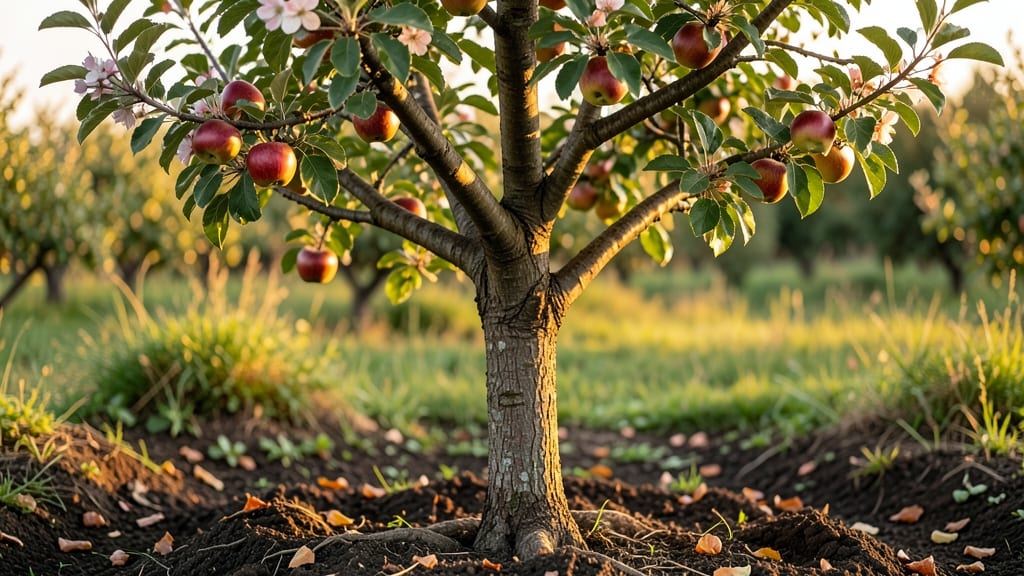
How Winesap apple trees pollinate: the science behind cross-pollination
If your Winesap apple tree produces more leaves than fruit, the culprit is likely pollination failure. Unlike some apple varieties, Winesaps are self-incompatible, meaning they can't pollinate themselves.
Their flowers require pollen from a different apple tree to produce fruit. This biological quirk explains why many gardeners see blooms but few apples.
The pollination process starts when bees or other insect pollinators transfer pollen from one apple tree's flowers to another's. Winesap flowers release pollen in the morning, and bees carry it to compatible varieties like Golden Delicious or Granny Smith.
Without this cross-pollination, fruit set drops dramatically, sometimes by 90% or more.
Here’s the science: Winesap trees have genetic self-incompatibility, a trait that prevents self-pollination. Their pollen grains grow poorly on their own stigma, but thrive when transferred to a different variety. This evolutionary adaptation ensures genetic diversity—but it means gardeners must plan carefully to maximize fruit production.
The distance between trees matters too. Pollen from Winesap trees loses viability quickly, so plant compatible varieties within 50 feet for optimal cross-pollination. If your orchard is larger, consider adding a third tree to ensure pollen transfer during peak bloom. Varieties like Jonathan or McIntosh work well as pollinators.
Weather plays a critical role. Cold, rainy springs can reduce bee activity by 60%, cutting pollination rates. If you notice bees avoiding your tree, try hand-pollinating with a small brush.
Dip it in pollen from a compatible tree and gently transfer it to Winesap flowers. This method works best on dry, sunny days when flowers are fully open.
Another common mistake is planting incompatible pollinators. Some apple varieties, like Fuji, don’t cross-pollinate well with Winesap. Always check bloom time charts to ensure your pollinator releases pollen during the same 5-7 day window as your Winesap tree. A mismatched schedule means missed opportunities for fruit set.
Once pollination succeeds, you’ll see tiny fruitlets forming within 2-3 weeks. However, these aren’t guaranteed to mature—thin them later to 6-8 inches apart to improve size and quality.
Without proper pollination, even well-cared-for Winesap trees may produce only 10-20% of their potential yield, leaving you with sparse harvests despite your efforts.
To troubleshoot, observe your tree’s flowers closely. Healthy pollination means plump, green fruitlets within 3 weeks of bloom. If you see mostly dropped blossoms or tiny, deformed apples, pollination likely failed.
Adjust your strategy by adding a compatible tree or boosting bee activity with native flowers like clover or lavender nearby.
Remember: Winesap’s pollination needs aren’t just about having another apple tree—they’re about timing, compatibility, and environmental conditions. With the right setup, you can transform a sparse harvest into a bountiful crop of sweet, juicy apples. Start by planting a pollinator this season, and watch your fruit set soar!
Best companion apple trees for Winesap pollination: top 5 varieties
Your Winesap apple tree needs the right pollination partners to produce sweet, abundant fruit. Since Winesap is not self-fertile, planting compatible varieties within 50 feet ensures successful cross-pollination.
The key is matching bloom times and choosing varieties that thrive in your USDA zone. Let’s explore the top 5 pollinator varieties that work best with Winesap.
Timing is everything in apple pollination. Most apple trees bloom in early spring, but a mismatch of just 3-5 days can drastically reduce fruit set. For example, if your Winesap blooms in late April, pair it with varieties that peak during the same window.
Regional climate also plays a role—some varieties bloom earlier in warmer zones like California versus cooler zones like New England.
Here’s a quick comparison of the best pollinator varieties for Winesap, including bloom times, distance requirements, and regional compatibility:
Avoid planting only one pollinator variety—this can lead to block pollination, where overlapping bloom times fail to produce enough fruit. For example, pairing Winesap with Golden Delicious and Honeycrisp covers early to late blooms, maximizing your chances of a bountiful harvest.
Always check local frost dates to ensure pollinators bloom before late frosts.
Pro tip: Plant your Winesap tree near a southern fence or wall to create a microclimate that warms up faster in spring, encouraging earlier blooms. This can help align bloom times with your pollinator varieties, even in cooler climates.
Just ensure the soil remains well-draining to prevent root rot, which can stress trees during flowering.
If you’re in a small urban garden, consider dwarf varieties like Columnar Golden Delicious, which stay under 8 feet tall and fit within 20 feet of your Winesap. This setup works beautifully for container gardening or tight spaces while still ensuring proper pollination.