
Flowers
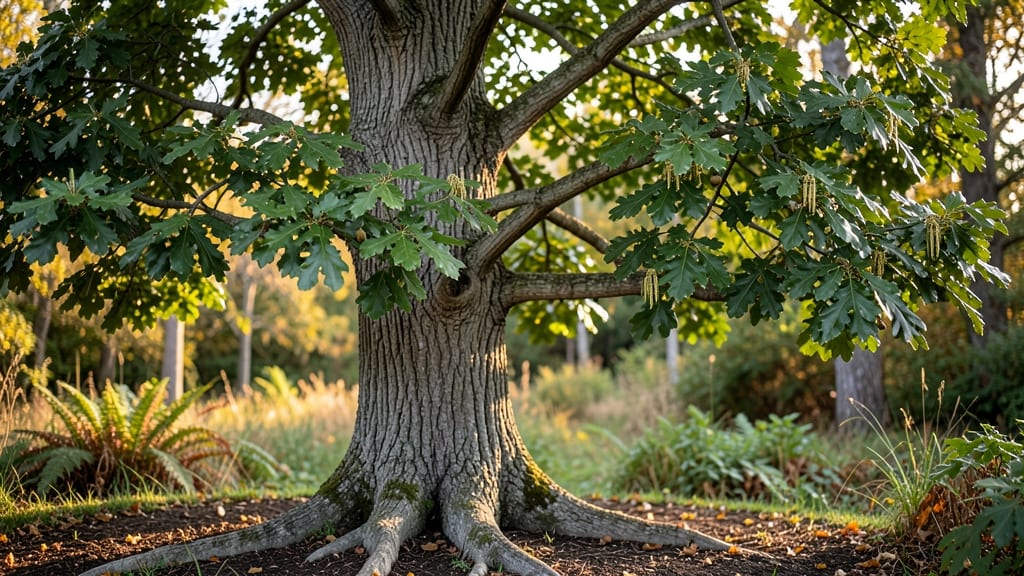
The white oak tree flowers you might miss are tiny, unassuming, and packed with ecological punch. 🌿 While not showy like ornamental blooms, these spring catkins feed bees and butterflies before acorns even form—nature’s quiet superpower in your yard.
Male flowers dangle like fuzzy strings, while female blooms stay hidden near last year’s growth. Both appear in late March to April, when bees start their search for early pollen. The more flowers you encourage, the better the acorn harvest later—though white oaks aren’t grown for flowers alone.
These trees thrive in large spaces (they reach 60–80 feet tall), so they’re better for parks than suburban yards. But if you have room, their spring blooms support pollinators long before summer’s flashier flowers arrive.
For gardeners, the key is patience: healthy soil and sunlight yield more flowers, which means more food for wildlife. No pruning or extra care is needed—just let them grow wild.
📚 In This Guide
- What you need
- Instructions
- Tips and common mistakes
- Wrapping up and next steps
What you need
- ○ White oak acorns or seeds: 5–10 high-quality, fresh acorns (ensure they’re from a Quercus alba tree). Optional: Pre-sprouted acorns for faster growth.
- ● Garden soil: Well-draining, slightly acidic soil (pH 4.5–6.0). Mix in compost (1 part compost to 3 parts soil) for nutrients.
- ● Planting containers: Seed-starting trays (with drainage holes) for acorns.
- ● 5-gallon pots (for saplings, if transplanting).
- ● Mulch: Organic mulch (e.g., wood chips or shredded leaves) to retain moisture and suppress weeds.
- ● Watering can or hose: With a gentle spray nozzle for young seedlings.
- ● Pruning shears: Small, sharp shears for trimming (if shaping mature trees).
- ○ Fertilizer (optional): Balanced fertilizer (10-10-10) for young trees (apply sparingly in early spring).
- ● Slow-release granules for long-term growth.
- ● Sunlight: Full sun (6+ hours daily) for optimal growth. Partial shade is tolerable but may reduce flower production.
- ● Space: White oaks mature to 60–80 feet tall—ensure ample room (plant at least 30 feet from structures).
- ● Patience: Acorns take 10–15 years to flower! Start early for long-term rewards.
- ● Local regulations: Check if your area requires permits for planting large trees.
- ○ Pollinator friends: Optional but encouraged: Nearby native flowers (e.g., milkweed, coneflowers) to attract bees and butterflies.
How to identify and support white oak tree flowers in spring
White oak trees don’t show off like their showy cousins, but their subtle spring blooms are a hidden treasure for pollinators.
🌿 Step 1: Locate the Catkins on New Growth
White oak flowers appear as small, greenish-yellow catkins along the new spring growth, often before the leaves fully unfurl. Look for these ½-inch-long clusters dangling from the tips of branches—don’t mistake them for acorns! The male flowers (catkins) are more noticeable, while female flowers are tiny and tucked close to the twigs.
Timing matters: These blooms typically emerge in late April to early May, depending on your climate zone. If you spot them early, they’ll be soft and fuzzy; by peak bloom, they’ll darken slightly. This is when bees and butterflies will flock to them—watch for tiny pollinators hovering near the branches.
☀️ Step 2: Ensure Proper Sunlight and Water for Blooming
White oaks thrive in full sun to partial shade, but for optimal flowering, prioritize at least 6 hours of direct sunlight daily. If your tree is in deep shade, blooms may be sparse. Young trees need consistent moisture, so water deeply once a week during dry spells—focus on the root zone, not the canopy.
Here’s the thing—mature white oaks are drought-tolerant, but their first few years are critical. If the soil feels dry 2 inches below the surface, give it a slow, deep drink. Mulch the base with 2-3 inches of organic mulch (like wood chips) to retain moisture and protect roots from temperature swings.
🐝 Step 3: Create a Pollinator-Friendly Habitat Nearby
While white oak flowers are a natural food source, you can boost their impact by planting companion pollinator-friendly species within 20 feet of the tree. Native shrubs like serviceberry or elderberry, plus wildflowers such as bee balm or coneflowers, will extend the feeding season for bees and butterflies.
Leave leaf litter and fallen acorns on the ground—they provide shelter for beneficial insects and contribute to the tree’s natural ecosystem. Avoid pesticides entirely, as they can harm pollinators that rely on oak flowers. Even if your tree isn’t blooming heavily, these small changes make a big difference for local wildlife.
✂️ Step 4: Prune Strategically to Encourage Future Blooms
The best time to prune white oaks is late winter or early spring, just before buds swell but before flowers appear. Remove only dead, diseased, or crossing branches—never prune more than 25% of the canopy at once. Use clean, sharp tools to make cuts just outside the branch collar.
Pruning stimulates new growth, which is where next year’s flowers will form. Avoid heavy pruning in summer, as it stresses the tree and can reduce flowering. If you notice overcrowded branches, thin them out to improve air circulation—this keeps the tree healthy and encourages more abundant blooms over time.
🌱 Step 5: Monitor for Pests and Diseases
White oaks are generally resilient, but watch for signs of stress like yellowing leaves, holes in foliage, or sawdust-like frass (a sign of borers). If you spot these, inspect the bark for tunnels or oozing sap. Early intervention—like applying horticultural oil or inviting woodpeckers (natural borer predators)—can save the tree.
Fungal issues like anthracnose may appear as dark spots on leaves. Improve airflow by pruning crowded branches and avoid overhead watering. A healthy tree with strong blooms is less susceptible to pests, so prioritize soil health and proper watering. With minimal effort, your oak will reward you—and the pollinators—year after year.
Tips & tricks for supporting white oak tree flowers
These subtle but essential blooms might be easy to overlook, but a few simple strategies can transform your tree into a pollinator magnet.
Timing is Everything: The late April to early May window for white oak blooms is critical—don't assume your tree will follow a strict schedule. Check branches weekly starting in mid-April, focusing on new growth where the soft, fuzzy catkins appear. I've seen blooms arrive as early as mid-April in warm climates or as late as early June in cooler zones. The key is patience and regular observation.
Sunlight Strategy: If your tree isn't getting that essential 6 hours of direct sunlight, don't give up on it just yet. While full sun is ideal, white oaks can still produce flowers in partial shade—just expect fewer blooms. I've seen trees in filtered light still attract pollinators, though the flowers may be less abundant. Consider gradually thinning nearby trees to increase light exposure over time.
Watering Wisdom: That once-a-week watering guideline works for most conditions, but your tree's needs might vary. I check soil moisture by pushing my finger 2 inches down—if it feels dry, it's time to water. For young trees, I've found that morning watering prevents fungal issues, while mature trees often don't need supplemental watering once established. The mulch layer helps tremendously by keeping moisture consistent.
Pollinator Partnership: Creating that 20-foot pollinator zone doesn't require a complete landscape overhaul. Start small with just one or two native plants like bee balm or coneflowers near your oak. I've noticed that even a single serviceberry bush can dramatically increase pollinator activity around oak flowers. The key is to plant species that bloom at different times to provide continuous food sources throughout the season.
Pro Tips for White Oak Tree Flowers
- These subtle but essential blooms might be easy to overlook, but a few simple strategies can transform your tree into a pollinator magnet.
- Timing is Everything: The late April to early May window for white oak blooms is critical—don't assume your tree will follow a strict schedule.
- Sunlight Strategy: If your tree isn't getting that essential 6 hours of direct sunlight, don't give up on it just yet.
Frequently asked questions
Do white oak trees actually produce flowers?
White oak trees (Quercus alba) are monoecious, meaning they have separate male and female flowers on the same tree—but they’re often overlooked! Male flowers appear as drooping catkins in early spring (March–April), while tiny female flowers grow near new leaves. They’re not showy like some blooms, but they’re essential for acorn production and pollinator support.
When is the best time to spot white oak flowers?
The prime window is late March to early May, depending on your region. Male catkins bloom first (bright yellow-green), followed by female flowers (tiny and greenish). Pro tip: Warmer springs may shift timing—check local oak tree blooming guides for accuracy!
Why don’t white oak flowers attract as many bees as other trees?
While they’re not a bee magnet like fruit trees, white oak flowers still provide early-season nectar and pollen for bees and butterflies. The real draw? Their acorns later in the year feed wildlife. For more pollinator action, plant companion flowers like serviceberry or wild plum nearby!
Can I grow white oak trees just for their flowers?
Not ideal! White oaks are prized for their durable wood, shade, and acorns—not their ornamental blooms. If flowers are your goal, opt for redbud or dogwood instead. However, white oaks are low-maintenance and eco-friendly, making them a great native addition for wildlife.
What should I do if my white oak isn’t flowering?
Several factors could be at play:
- Age: Young trees (under 10 years) may not flower yet.
- Stress: Drought, pests (like oak wilt), or poor soil can inhibit blooms.
- Location: Urban areas with pollution or compacted soil may reduce flowering.
Wrapping up and next steps
White oak tree flowers may not steal the show like their vibrant counterparts, but their quiet beauty plays a crucial role in supporting pollinators and ecosystems.
By planting or preserving these trees, you’re nurturing a thriving habitat for bees, butterflies, and other wildlife—all while adding timeless elegance to your landscape. 🌿
Ready to make a difference? Start small: research local nurseries for white oak saplings, join a community gardening group, or simply observe the pollinators visiting your garden. Every action counts in creating a greener, more connected world!