
Container Gardens
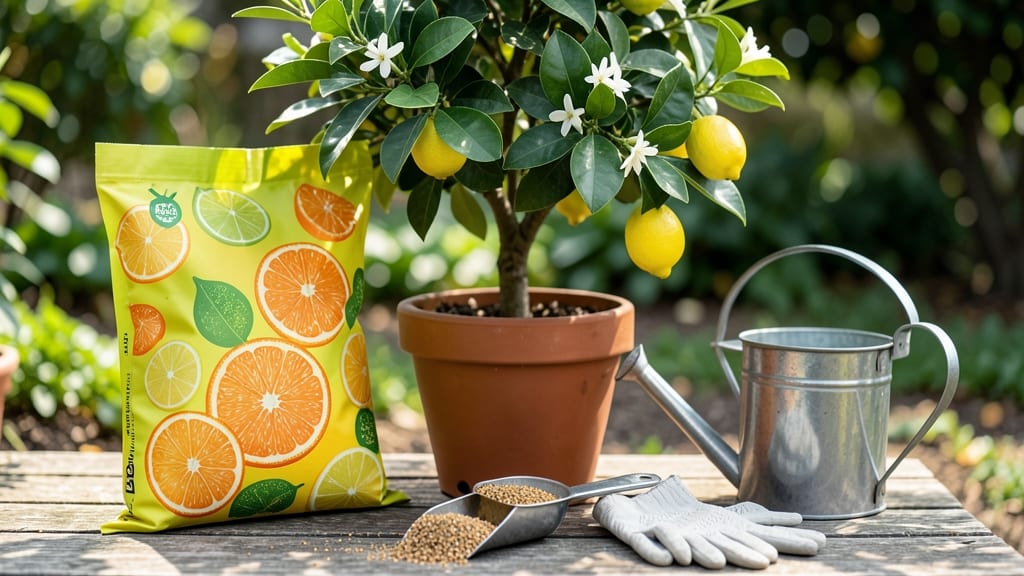
Fertilizing your potted lemon tree at the right time 🍋 is the key to sweet fruit and vibrant growth—spring and early fall are when your citrus thrives most.
Picture this: You’ve nurtured your lemon tree for months, only to watch it slow down when winter hits or struggle to produce fruit despite your best efforts. The issue? Timing. Fertilizing at the wrong season can leave your tree stressed, not nourished.
Most gardeners miss the spring awakening window, when your lemon tree is ready to burst into growth, or overdo it in summer heat, which can burn delicate roots.
I’ll walk you through the exact months to feed—plus how to spot when your tree is begging for nutrients (or screaming for a break).
By the end, you’ll know not just when to fertilize, but also how much and what type—so your potted lemon tree stays lush, productive, and happy all year.

Best times to fertilize lemon tree in pot: seasonal schedule breakdown
Fertilizing your potted lemon tree at the right time can transform it from a struggling plant to a fruit-bearing powerhouse. Unlike in-ground trees, potted citrus trees have limited root space, making precise fertilization critical.
The key is aligning feeding with your tree’s natural growth cycles—spring awakening, summer maintenance, and fall preparation—while avoiding winter dormancy mistakes.
Most gardeners make two common errors: over-fertilizing in winter (when roots rest) or skipping spring feeds (when growth resumes). Your lemon tree’s nutrient needs peak in spring and fall, while summer requires lighter touch. Let’s break down the month-by-month schedule to maximize blooms and fruit without burning delicate roots.
| Season | Month | Fertilizer Action | Frequency | Key Notes |
|---|---|---|---|---|
| Spring Awakening | March | Start feeding | Every 4 weeks | New growth begins; use balanced citrus fertilizer |
| April | Continue feeding | Every 4 weeks | Blooms form; reduce nitrogen slightly for fruit set | |
| May | Peak feeding | Every 4 weeks | Focus on potassium-rich fertilizers for fruit development | |
| Summer Maintenance | June | Light feeding | Every 6 weeks | Reduce frequency to avoid root burn in heat |
| July | Light feeding | Every 6 weeks | Monitor for leaf burn signs; water thoroughly before fertilizing | |
| August | Light feeding | Every 6 weeks | Switch to slow-release granules if possible | |
| Fall Boost | September | Resume feeding | Every 4 weeks | Prep for winter; use low-nitrogen fertilizer |
| October | Light feeding | Every 6 weeks | Stop by November; roots need rest | |
| Winter Dormancy | November | None | — | Critical: No fertilizer; tree is dormant |
| December-February | None | — | Focus on watering adjustments only |
Spring is your lemon tree’s growth explosion season. By March, your tree wakes from dormancy and demands nutrients to fuel new leaves and blooms. I start feeding in early March with a balanced citrus fertilizer (6-6-6 NPK ratio) every 4 weeks.
This timing coincides with new shoot emergence, which you’ll spot as tiny green buds along branches. Pro tip: Mix fertilizer with water to avoid root burn—always water your tree first, then apply fertilizer.
Summer fertilization requires caution. While your lemon tree continues growing, intense heat stresses roots, making them vulnerable to fertilizer damage. From June to August, I switch to a lighter feeding schedule—every 6 weeks instead of monthly.
Use a slow-release granular fertilizer to minimize risk. Watch for yellowing leaves or crispy leaf edges, which signal over-fertilization. If you see these signs, flush the soil with water immediately to leach excess salts.
Fall is your second critical feeding window. As temperatures drop in September, your lemon tree prepares for winter dormancy. I resume monthly feeding but reduce nitrogen to encourage root strengthening rather than leafy growth.
This prepares the tree for winter survival, especially if you’re growing in cooler zones (USDA 6-8). By October, taper off completely—no fertilizer after November, as the tree enters full dormancy mode. During this time, focus on reducing water and protecting from frost if indoors.
Winter is the only time your potted lemon tree should go fertilizer-free. From December through February, roots are dormant, meaning they’re not absorbing nutrients. Feeding during this period can burn roots or cause salt buildup in the limited pot soil.
Instead, I recommend pruning dead branches and checking soil moisture (water only when top 2 inches
How to choose the right fertilizer for potted lemon trees: organic vs synthetic options
Choosing the right fertilizer for your potted lemon tree can feel overwhelming with so many options. Citrus trees need specific nutrients to thrive, especially in containers where soil resources deplete faster.
The two main categories—organic and synthetic fertilizers—each offer unique benefits, but the wrong choice can lead to burned roots or stunted growth. Let’s break down the best options tailored for your lemon tree in pots.
For potted lemon trees, a balanced NPK ratio like 6-6-6 or 8-3-9 is ideal. The first number represents nitrogen for leafy growth, phosphorus for root development, and potassium for overall health. Organic options like fish emulsion or compost tea provide slow-release nutrients, while synthetic fertilizers offer precise, immediate results.
The key is matching the fertilizer type to your tree’s current needs and your gardening preferences.
⚠️ PROS-CONS BOX: Organic vs. Synthetic Fertilizers for Potted Lemon Trees
- Improves soil health over time
- Slow-release nutrients reduce burn risk
- Eco-friendly and pet-safe
- Precise nutrient ratios for citrus trees
- Fast-acting for quick growth boosts
- Easy to measure and apply
- May require more frequent applications
- Can attract pests if overused
- Slower results for nutrient-deficient trees
- Risk of over-fertilization and root burn
- No soil health benefits
- Less sustainable long-term
If you prefer organic fertilizers, consider fish emulsion or compost tea. These options enrich the soil with beneficial microbes while providing essential nutrients. For a quick fix, use a citrus-specific organic fertilizer like alfalfa meal or worm castings.
Always follow the package instructions to avoid over-fertilizing, which can harm your tree’s roots in small pots.
For synthetic fertilizers, look for a balanced citrus blend with micronutrients like iron and zinc. A 6-6-6 or 8-3-9 ratio works well for potted lemon trees, as it supports both foliage and fruiting.
Apply synthetic fertilizers every 4-6 weeks during the growing season (spring through fall) and reduce applications in winter when the tree is dormant. Always water the soil thoroughly after applying to prevent root damage.
One common mistake is over-fertilizing in small pots. Since potted lemon trees have limited soil volume, excess nutrients can build up and burn roots. To avoid this, always follow the recommended dosage and flush the soil with water every few months to remove excess salts.
If you notice yellowing leaves or crusty soil, your tree may be getting too much fertilizer.
For best results, combine organic and synthetic fertilizers seasonally. Start with a slow-release organic fertilizer in early spring to kickstart growth, then switch to a synthetic citrus blend during peak fruiting season. Monitor your tree’s response and adjust the fertilizer type based on its needs.
With the right approach, your potted lemon tree will reward you with vibrant foliage and abundant lemons year after year. 🍋