
Trees
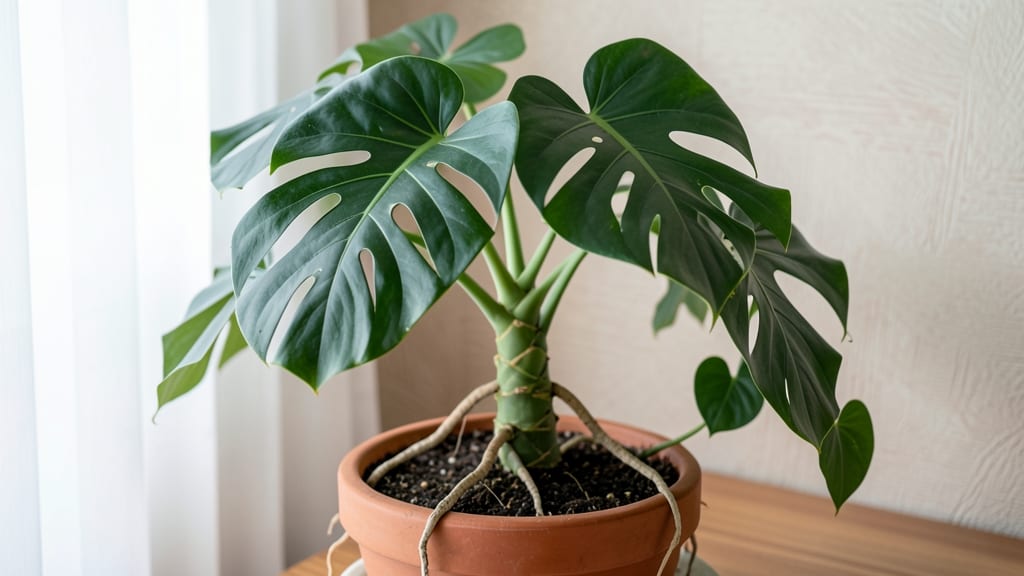
These sun-loving tropical tree types transform any yard into a lush, year-round oasis—if you pick the right varieties. 🌴 I’ve grown everything from towering palms to fragrant frangipani, and the key to success lies in matching your climate, soil, and sunlight to the tree’s natural habits.
Some thrive in coastal humidity, while others adapt to inland heat with minimal fuss.
Most tropical trees need well-draining soil and full sun (6+ hours daily), but their water needs vary wildly. A royal palm might drink gallons weekly, while a desert-adapted baobab survives on occasional deep waterings.
Pruning is mostly about removing dead branches or shaping young growth—never hacking back healthy foliage unless it’s a safety hazard.
By the end of summer, you’ll see glossy leaves, fragrant blooms, or even edible fruit, depending on your choices. My favorite shade-providing giant, the monkeypod tree, grows 15–20 feet tall in just a few years and handles drought like a champ.
The trade-off? Some tropical trees are slow to mature, so patience pays off.
Whether you’re in Zone 10+ or a microclimate hotspot, these trees bring drama to any landscape. Start with one hardy variety—like a Mexican fan palm—to test your soil before committing to pricier exotics. The first year is all about watching them establish roots before they explode into full growth.
📚 In This Guide
- What you need
- Instructions
- Tips and common mistakes
- Wrapping up and next steps
What you need
- ● Tropical tree seedlings or saplings: Choose from types like Monstera deliciosa, Ficus benjamina, or Ceiba pentandra (Kapok tree). Quantity depends on your space—start with 1-3 for small yards or up to 5+ for larger areas.
- ● High-quality potting mix or tropical soil: 5-10 gallons per tree (or 1 cubic yard for in-ground planting). Look for mixes with 60-70% organic matter and good drainage.
- ● Containers (if potted): 15-25 gallon pots for small trees, 50+ gallons for mature varieties. Ensure pots have drainage holes and are made of UV-resistant plastic or clay.
- ● Slow-release fertilizer: Balanced 10-10-10 or tropical-specific blend (e.g., Osmocote). Use 1-2 lbs per tree per year, applied in early spring.
- ● Mulch: 2-3 inches of organic mulch (e.g., pine bark or coconut coir) to retain moisture and regulate soil temperature.
- ● Watering can or hose with adjustable nozzle: For deep watering (aim for 1-2 gallons per tree, 2-3 times per week during dry spells).
- ● Pruning tools: Bypass pruners (for small branches)
- ● Loppers (for medium branches, ½"–1½" cut capacity)
- ● Hand saw (for thick branches, 10-12" blade)
- ● Gloves and safety goggles: Protect your hands from thorns (e.g., Acacia) and sharp tools.
- ● Soil amendments: Perlite or vermiculite (1 part per 3 parts soil) to improve drainage, or worm castings (1 cup per tree) for nutrient boosts.
- ● Tree support stakes: 2-3 stakes per young tree (6-8 ft tall) to prevent toppling in windy areas.
- ● Humidity tray or misting bottle: For indoor tropical trees in dry climates (e.g., Philodendron varieties).
- ● Tree collar guard: Protects the base of young trees from lawnmower damage.
- ● Smart watering system: Drip irrigation kits or timers to automate care (great for large plantings!).
Step-by-Step guide to selecting and planting sun-loving tropical trees
Here's how to choose and establish four stunning tropical trees that thrive in full sun.
☀️ Step 1: Choose the Right Tropical Tree Species for Your Climate
Start by selecting trees that match your USDA hardiness zone and sunlight exposure. For full sun lovers, consider these four winners: Royal Poinciana (zone 10-11) with fiery orange blooms, Monstera deliciosa (zone 10-11) for dramatic foliage, Banyan Tree (zone 10-11) with aerial roots, or Coconut Palm (zone 10-11) for coastal charm. Each needs 6+ hours of direct sun daily—no exceptions.
I always verify a tree's mature size before planting. A Royal Poinciana can reach 30-40 feet tall, while a Monstera stays more compact at 10-20 feet. Check local nursery stock for disease-resistant varieties—ask for "clean stock" to avoid bringing home pests. Your local cooperative extension office can recommend zone-specific alternatives if these don't suit your area.
🪴 Step 2: Prepare the Planting Site with Proper Drainage
Tropical trees despise soggy roots, so test your soil's drainage first. Dig a 12-inch deep hole and fill it with water. If it drains in under 30 minutes, your soil is fine. If it pools after an hour, amend with 2-3 inches of coarse sand or perlite mixed into the native soil. I like to create a 1-foot deep sand layer at the bottom of the hole for extra drainage.
Choose a location with at least 6 feet of clearance around the tree's mature canopy. These giants need space to spread their roots and branches. Mark the planting spot with a stake and measure twice the root ball diameter in all directions. For container-grown trees, the root ball is usually the size of the pot—don't disturb those roots when planting.
🌱 Step 3: Plant at the Correct Depth and Water Thoroughly
Position the tree so the top of the root ball sits 1 inch above ground level. Tropical trees often have a visible flare at the base of the trunk—this should remain above soil. Backfill with native soil mixed with compost or aged manure (about 20% by volume) to give it a nutrient boost. Tamp down gently with your hands to eliminate air pockets.
Water immediately after planting with 5 gallons of water to settle the soil. You'll see water pooling at the surface—that's normal. Mulch with 2-3 inches of organic mulch (like wood chips) extending 2 feet beyond the root ball. Keep mulch 6 inches away from the trunk to prevent rot. Water again in 3-4 days to encourage root establishment, then maintain 1 inch of water per week during dry spells.
✂️ Step 4: Prune Strategically and Monitor for Pests
Wait 6-8 weeks before pruning new tropical trees—let them establish roots first. Remove only dead, diseased, or crossing branches. For Royal Poincianas, I prune 1/3 of the oldest stems annually to encourage new growth and vibrant blooms. Use sterilized pruners and make cuts just above a leaf node to prevent water pooling.
Watch for common tropical tree pests like scale insects or mealybugs, which thrive in warm climates. I spray trees with neem oil solution (1 tablespoon per gallon of water) every 2 weeks during the growing season as prevention. Yellowing leaves often signal overwatering—let the top 2 inches of soil dry out between waterings once established.
⏰ Step 5: Fertilize Seasonally for Optimal Growth
Apply a balanced 8-8-8 fertilizer in early spring when new growth appears. Use ½ pound per 100 square feet of soil area. For container-grown trees, use slow-release granules following package rates. In late summer, switch to a low-nitrogen, high-potassium fertilizer (like 5-10-10) to strengthen roots and prepare for winter.
Tropical trees in containers need monthly feeding during growing season. I use a liquid seaweed fertilizer diluted to half-strength every 4 weeks to provide micronutrients. Watch for fertilizer burn—if leaves develop brown edges, flush the soil with 2 gallons of water to leach excess salts. Established trees in ground need feeding only every 3-4 months.
Tips & tricks for perfect sun-loving tropical trees
These insider strategies will help your tropical trees thrive in full sun and establish strong roots for decades of lush growth.
Location is Everything: When selecting your planting spot, consider both sunlight exposure and wind patterns. Tropical trees need that 6+ hours of direct sun daily, but afternoon shade can protect leaves from scorching in intense climates. I always check the sun path across my yard at different times of day—morning sun is gentler, while afternoon sun can be brutal. Place your Royal Poinciana or Coconut Palm where they'll get morning sun and afternoon shade if possible, especially in zones 10-11 where temperatures can exceed 90°F. The 6 feet of clearance around mature trees isn't just about aesthetics—it prevents root competition and allows air circulation that reduces fungal diseases.
Root Ball Prep Matters: The 12-inch deep drainage test in Step 2 is non-negotiable, but here's what I do differently: I always remove any plastic nursery pots before planting. The roots grow in circles around the pot, which can strangle the tree when planted. If you can't remove the pot, make 4 vertical cuts around the root ball to encourage outward growth. For container-grown trees, I soak the root ball in water for 15-20 minutes before planting to reduce transplant shock. The 1-inch above ground level positioning is crucial—this prevents water from pooling at the trunk, which causes rot.
Mulching Like a Pro: That 2-3 inches of organic mulch isn't just decoration—it's a critical moisture and temperature regulator. I use wood chips or pine straw because they break down slowly and improve soil structure over time. The key is keeping mulch 6 inches away from the trunk to prevent rot and pest infestations. For newly planted trees, I create a mulch volcano shape that slopes away from the trunk, which helps direct water toward the roots. In the first year, I check mulch moisture weekly—tropical trees need consistent hydration during establishment.
Fertilizer Timing Tricks: The early spring 8-8-8 fertilizer application in Step 5 is perfect, but I've learned that timing matters more than most gardeners realize. For container-grown trees, I fertilize every 4 weeks during growing season, but I always water thoroughly first to prevent root burn. The 1 tablespoon neem oil solution I use for pest control doubles as a mild fertilizer—it contains trace nutrients that support healthy growth. If you notice yellowing leaves after fertilizing, flush the soil with 2 gallons of water immediately to prevent salt buildup. For established trees, I switch to fish emulsion in late summer—it's rich in micronutrients that tropical trees love.
Pro Tips for Tropical Tree Types
- These insider strategies will help your tropical trees thrive in full sun and establish strong roots for decades of lush growth.
- Location is Everything: When selecting your planting spot, consider both sunlight exposure and wind patterns.
- Root Ball Prep Matters: The 12-inch deep drainage test in Step 2 is non-negotiable, but here's what I do differently: I always remove any plastic nursery pots before planting.
Frequently asked questions
Got questions about tropical trees? You’re not alone! Here are some of the most common queries—plus quick, practical answers to help you pick, plant, and care for these sun-loving giants with confidence.
Which tropical trees are easiest for beginners?
Start with hardy, low-maintenance picks like the Ficus elastica (rubber plant) or Monstera deliciosa. Both thrive in bright, indirect light, tolerate occasional neglect, and adapt well to indoor conditions. For outdoor spaces, Mango or Avocado trees are forgiving if planted in well-draining soil with consistent watering.
How often should I water tropical trees?
Most tropical trees prefer consistently moist (not soggy!) soil. Water when the top 1–2 inches feel dry—typically every 5–7 days in warm climates or more frequently in pots (which dry out faster). Pro tip: Use your finger as a guide, and adjust for humidity levels (more water in dry air, less in rainforests!).
Can tropical trees survive in full sun?
Many tropical trees love full sun (6+ hours daily), but some—like Calathea or Philodendron—prefer shade. Check your tree’s native habitat: coastal or open-canopy species (e.g., Banyan, Coconut) handle direct sun best, while understory trees (e.g., Bird of Paradise) may scorch. Start with partial sun and gradually acclimate.
What’s the best time to plant tropical trees outdoors?
Plant during the early rainy season (spring/summer) when soil is naturally moist and temperatures are stable. Avoid frost-prone areas—most tropical trees cannot tolerate cold below 50°F (10°C). If planting in containers, use well-draining mix and move pots indoors before winter. Troubleshooting: Yellow leaves? Overwatering or poor drainage might be the culprit!
Are there tropical trees that grow well in containers?
Dwarf varieties like Citrus ‘Calamondin’, Dwarf Banana, or Schefflera ‘Amate’ thrive in pots with 5+ gallons of space. Use a fast-draining mix (cactus soil + perlite) and repot every 2–3 years. For larger trees (e.g., Mango), choose oversized containers and prune roots annually to prevent circling.
Wrapping up and next steps
From towering mahoganies to fragrant frangipani, tropical trees bring unmatched beauty and vibrancy to any space. Whether you're drawn to their lush foliage, unique shapes, or year-round greenery, these sun-loving giants are a fantastic addition to gardens, landscapes, or even urban oases. 🌿✨
Ready to transform your outdoor space? Start by researching the specific needs of the tropical trees that catch your eye—then plant with confidence! Whether you’re a seasoned gardener or just starting, these resilient trees will reward you with stunning growth and lasting beauty.