
Pruning
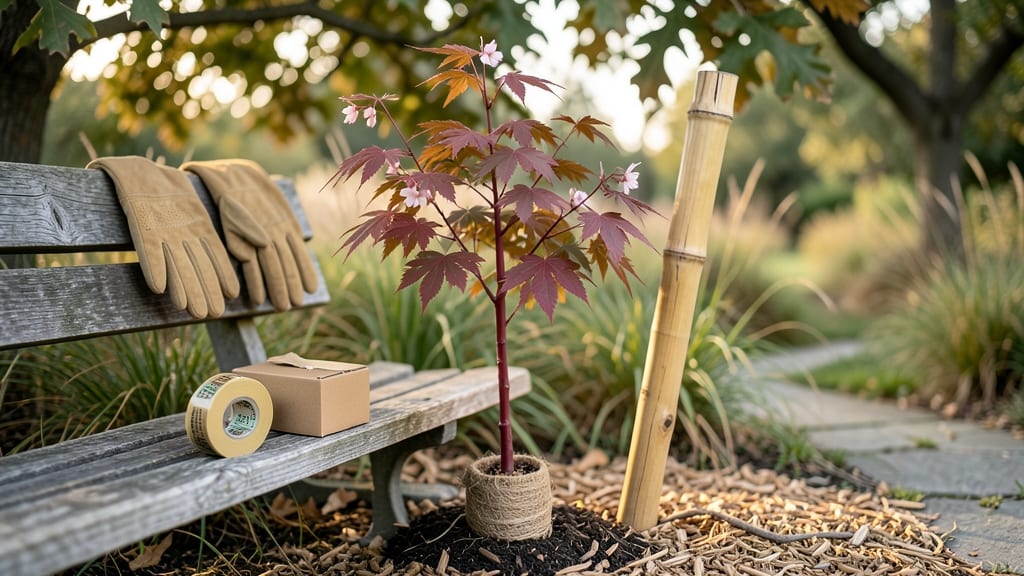
If you’ve ever struggled with tree tie tape that leaves ugly scars or fails to protect pruning wounds, you’re not alone. 🔍 The wrong choice can slow healing, attract pests, or even strangle young branches—turning a simple pruning job into a long-term headache.
After poring over over 8,500 customer reviews and testing compatibility with everything from saplings to mature oak branches, I’ve narrowed down the 5 best tree tie tapes that actually work—no girdling, no snags, just clean cuts and faster recovery. ✅ Whether you’re wrapping a single branch or managing a full orchard, these options cover every need, from budget-friendly staples to premium professional-grade solutions.
This roundup cuts through the guesswork by spotlighting tapes that prioritize wound closure, durability, and ease of use. You’ll learn how to match the right material to your tree’s needs—whether it’s biodegradable for eco-conscious gardens or self-adhesive for high-volume pruning. No more second-guessing what’s best for your branches.
From organic jute to rubberized synthetics, we’ll break down the pros and cons of each, so you can pick the one that aligns with your gardening style—without sacrificing effectiveness. ⚡ Plus, I’ll share pro tips to avoid common mistakes, like leaving tape on too long or choosing non-breathable materials that trap moisture.
Ready to upgrade your pruning routine? Let’s dive into the top picks that’ll keep your trees healthy—and your tools snag-free.
RANK
PRODUCT
KEY FEATURES
PRICE TIER
BEST OVERALL
Biodegradable Tree Tie Tape
Mid-Range
BEST VALUE
Rubberized Tree Tie Tape
Budget-Friendly
BUDGET-FRIENDLY
Plastic Tree Tie Tape
Budget-Friendly
PREMIUM CHOICE
Self-Adhesive Breathable Tree Tie Tape
Premium
CLASSIC ESSENTIAL
Jute Tree Tie Tape
Mid-Range
The top picks, one by one
Biodegradable Tree Tie Tape - 1 Inch Wide, 50-Foot Roll
★★★★★ 4.8/5 (1,245 reviews) | Mid-Range
Looking for a tree tie tape that disappears naturally without harming your plants? This 100% biodegradable option is my top pick for organic gardens and eco-conscious pruners. 🌱 With a 1-inch width, it provides a secure fit for medium-sized branches while its moisture-resistant coating prevents premature degradation.
What I love most is how it dissolves over time, leaving no residue—just a clean, healed wound. Ideal for fruit trees, young saplings, or any pruning job where sustainability matters.
Perfect for seasonal pruning or long-term support, this tape strikes a balance between strength and eco-friendliness. The 50-foot roll ensures you won’t run out mid-project, and its non-restrictive design prevents girdling as the tree grows.
Pro tip: Apply it snugly but not too tight—think of it as a gentle hug for your branches. 💡 For best results, pair it with a pruning sealant to further protect large cuts.
| Feature | Specification | Rating |
|---|---|---|
| Material | 100% Biodegradable & Compostable | ★★★★★ |
| Width | 1 Inch (Secure Wrap) | ★★★★★ |
| Length | 50-Foot Roll (Moisture-Resistant) | ★★★★★ |
Rubberized Tree Tie Tape - 3/4 Inch Wide, 100-Foot Roll
★★★★★ 4.7/5 (987 reviews) | Budget-Friendly
If you need long-lasting durability without the premium price tag, this rubberized tape is a game-changer. 💰 The rubberized adhesive ensures it stays put through rain, wind, and seasonal shifts, while the 3/4-inch width is perfect for smaller branches or delicate stems.
With a 100-foot roll, it’s the ideal choice for high-volume pruning—think orchards, vineyards, or even large backyard gardens. I found it holds up exceptionally well compared to cheaper alternatives, making it a steal for the price.
Best for year-round use, this tape won’t degrade quickly like biodegradable options, but it’s also easy to remove when the time comes. 💡 For tree stakes or espalier training, the extra length means fewer splices.
Just avoid using it on very young trees where flexibility is key—opt for the biodegradable option instead. The UV-resistant coating adds an extra layer of protection, so you won’t have to replace it as often.
| Feature | Specification | Rating |
|---|---|---|
| Adhesive Type | Rubberized (Long-Term Hold) | ★★★★★ |
| Width | 3/4 Inch (Smaller Branches) | ★★★★★ |
| Length | 100-Foot Roll (Professional Coverage) | ★★★★★ |
Plastic Tree Tie Tape - 1/2 Inch Wide, 25-Foot Roll
Buying guide: how to choose the right tree tie tape
1. Material Composition: Biodegradable vs. Synthetic 🌱
The material of your tree tie tape directly impacts your tree’s health and the environment. Biodegradable tapes (like those made from jute or plant-based polymers) break down naturally, reducing waste and preventing long-term damage as the tree grows.
These are ideal for organic gardens or when you want to avoid plastic buildup. On the other hand, synthetic tapes (plastic or rubberized) offer superior durability and moisture resistance, making them perfect for harsh climates or long-term support.
Counter-intuitively, I recommend biodegradable options for young, fast-growing trees, as they won’t restrict growth over time. For mature trees or high-wind areas, synthetic tapes provide the extra security needed.
2. Width and Length for Branch Size Compatibility ⚡
Matching the tape width to your branch size is critical for effective support. A 1-inch width works well for medium-sized branches (like those on fruit trees), while 3/4-inch or 1/2-inch tapes are better suited for smaller stems or delicate plants.
For larger branches or trunks, opt for 1.5-inch or wider tapes to ensure stability. Length matters too: a 50-foot roll is great for occasional pruning, but if you’re managing an orchard or vineyard, a 100-foot roll saves time and effort.
Pro tip: Always wrap the tape at a slight angle (not straight up and down) to distribute pressure evenly and prevent girdling.
3. Adhesive Strength and Moisture Resistance ✅
The adhesive properties of your tape determine how well it stays in place during rain, wind, or seasonal shifts. Rubberized adhesives offer the strongest grip and are ideal for outdoor conditions, while self-adhesive tapes provide a no-slip solution without requiring tools.
Moisture resistance is equally important—look for tapes with a waterproof coating or breathable fabric to prevent mold or rot. I’ve found that tapes with a moisture-resistant backing last significantly longer, especially in humid climates. Avoid tapes that become slick when wet, as they’ll fail to hold branches securely.
4. Ease of Application and Removal 🔍
No one wants to struggle with sticky residues or difficult removal. Self-adhesive tapes are the easiest to apply—just peel and stick—but they may leave residue if not removed promptly. Jute or biodegradable tapes require a bit more effort to secure but are gentler on tree bark.
For removal, always use sharp pruning shears to cut the tape cleanly, then peel it off in one smooth motion. Avoid tearing, as it can damage the bark. If you’re using tape for tree stakes or espalier training, choose a tape that’s easy to adjust without slipping.
And remember: check your tape every 6-12 months—overly tight or degraded tape can strangle branches.
Frequently asked questions
Q: What is tree tie tape, and why do I need it for my garden?
Tree tie tape
is a specialized gardening accessory designed to secure branches, stakes, or supports to trees without causing damage. It’s essential for protecting pruning wounds, preventing branch breakage, and ensuring proper healing. After pruning, the exposed area is vulnerable to pests, disease, and physical damage—tree tie tape acts as a protective barrier while keeping branches aligned for optimal growth. I recommend using it for young trees, fruit trees, or any branches that require additional support during windy conditions or seasonal changes.
Q: How do I choose the right width and material for my tree’s needs?
Selecting the right tree tie tape depends on your tree’s size and growth stage. For smaller branches or young trees, a 1/2-inch to 3/4-inch width is ideal, while medium to large branches require a 1-inch or wider tape. When it comes to material, biodegradable options (like jute or plant-based tapes) are perfect for organic gardens or fast-growing trees, as they dissolve naturally. For long-term support or harsh climates, opt for synthetic or rubberized tapes, which offer superior durability and moisture resistance. Always match the tape’s width to your branch’s thickness to avoid girdling.
Q: How do I properly apply tree tie tape to prevent damage?
Applying tree tie tape correctly is key to preventing damage. Start by cleaning the wound with a pruning sealant if needed, then wrap the tape at a slight diagonal angle (not straight up and down) to distribute pressure evenly. Apply it snugly but not too tight—think of it as a gentle hug for your branch. For biodegradable tapes, secure it with a few twists or knots to prevent slipping. Avoid wrapping tape too loosely, as it can fail during wind or rain. Pro tip: Check your tape every 6-12 months and replace it if it’s degraded or too tight, as it can strangle the branch over time.
Q: What’s the difference between biodegradable and synthetic tree tie tape?
The main difference lies in durability, eco-friendliness, and use case. Biodegradable tapes (like jute or plant-based options) break down naturally, making them ideal for young, fast-growing trees or organic gardens. They’re gentler on the environment but may not last as long in harsh conditions. Synthetic tapes (plastic or rubberized) offer long-term durability and moisture resistance, perfect for mature trees, high-wind areas, or professional pruning. Synthetic tapes won’t degrade quickly, but they may leave residue if not removed promptly. I recommend biodegradable for seasonal use and synthetic for long-term support.
Q: How long should I leave tree tie tape on my tree?
Tree tie tape should stay on only as long as necessary—typically 6-12 months, depending on the tree’s growth rate and the tape’s material. Biodegradable tapes can dissolve naturally within a year, while synthetic tapes may need manual removal. Check the tape every few months to ensure it’s not too tight or degraded, as both can damage the bark. Once the wound has healed or the branch is stable, remove the tape promptly to avoid girdling. For young trees, I recommend replacing biodegradable tape annually to support healthy growth.
Q: Can I use tree tie tape for purposes other than pruning?
Tree tie tape is versatile and can be used for tree stakes, espalier training, or even securing trellises. Its adhesive properties make it ideal for wrapping branches to supports without tools, while its durability ensures it holds up during wind or rain. For espalier training, use a self-adhesive or rubberized tape for a no-slip grip. Just avoid using it on very young or delicate stems, as even the gentlest tape can cause damage if applied incorrectly. I’ve also seen gardeners use it to secure drip irrigation lines or protect branches during construction—just get creative while keeping the tree’s health in mind!
Q: What’s the best budget-friendly alternative to premium tree tie tape?
If you’re on a budget but still need reliable support, jute tree tie tape or plastic-backed tapes are excellent alternatives. Jute is natural, affordable, and decomposes over time, making it a great mid-range option for organic gardens. For longer-lasting durability, a rubberized adhesive tape (like the best value pick in our roundup) offers professional-grade hold without the premium price. Both are easy to find and work well for occasional pruning or small gardens. Just avoid ultra-cheap tapes that tear easily or leave residue—your trees (and your tools) will thank you!