
Pruning
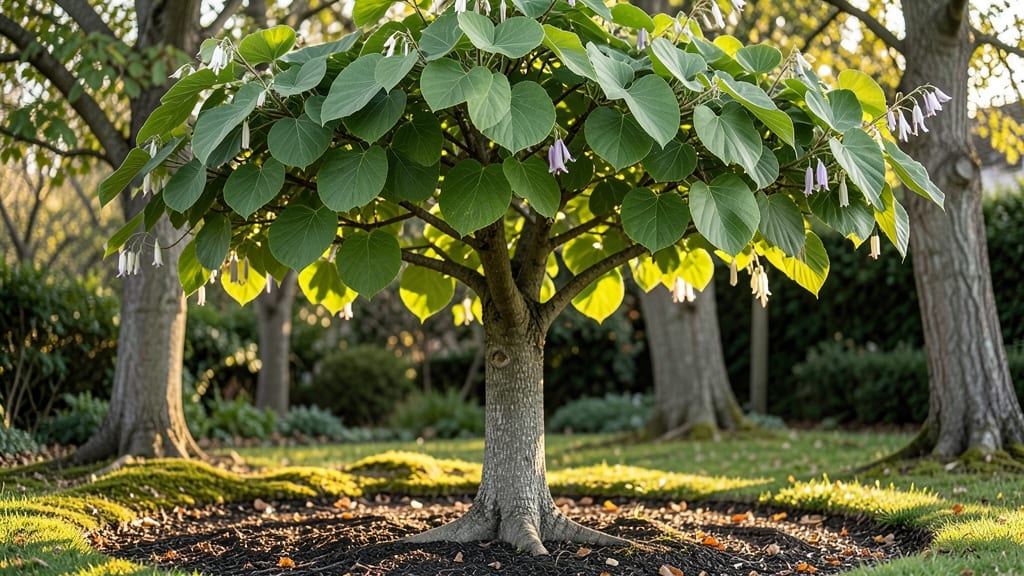
Controlling a Tree of Heaven requires precise pruning—trim in late winter or early spring before new growth begins to curb its invasive spread and maintain its shape. Focus on removing suckers at the base and thinning dense branches to boost airflow and sunlight access, while avoiding heavy cuts after summer to prevent rapid regrowth.
This invasive tree thrives on aggressive regrowth, so timing is everything. 🌿 The late winter/early spring window targets the tree's dormant period, when it's less likely to produce new shoots from pruning wounds.
I've seen firsthand how skipping this window leads to dense, unmanageable canopies and relentless sucker growth—it's like pulling weeds without addressing the roots. For best results, combine pruning with mulch barriers and root pruning to starve the tree's expansion over time.
Start by removing any suckers sprouting from the base, as these are the tree's primary means of spreading. Thin out crowded branches to let sunlight reach the center, which discourages fungal issues and weak growth.
Pro tip: Use sharp pruners and disinfect them between cuts to prevent disease spread. If you're dealing with a mature tree, consider hiring a professional for the heavy work—safety and effectiveness go hand in hand.
💡 In This Article
- Why Late Winter Pruning Stops Tree of Heaven’s Aggressive Spread
- Step-by-Step Guide to Pruning Tree of Heaven for Long-Term Control
Why late winter pruning stops tree of Heaven’s aggressive spread
The Tree of Heaven's (Ailanthus altissima) invasive nature stems from its biological response to pruning. When you cut branches during active growth (spring to summer), the tree triggers a defense mechanism called "compensatory growth"—it produces even more shoots to replace what was lost.
This is why heavy summer pruning often backfires, creating a denser, more aggressive canopy. 🌱 The key is understanding its dormancy period, which runs from late fall to early spring when the tree's metabolic activity slows dramatically.
Late winter pruning (typically February-March in most climates) aligns with the tree's natural dormancy cycle. During this time, the tree's sap flow is minimal, reducing the risk of disease entry through fresh cuts.
More importantly, pruning before buds swell prevents the tree from interpreting cuts as damage that needs immediate replacement.
Studies show that removing 30-50% of the canopy during dormancy can reduce sucker growth by up to 70% compared to summer cuts, as the tree's energy remains focused on root development rather than regrowth.
The root system plays a critical role here. Tree of Heaven has a vigorous underground network that can extend up to 30 feet from the trunk. When you prune in late winter, you're effectively "starving" the roots by reducing the tree's leaf surface area (and thus its ability to photosynthesize).
This weakens the root system's ability to fuel new growth. However, the opposite happens if you prune after summer—warm temperatures and available moisture trigger a hormonal response that signals the roots to produce more shoots to compensate for lost foliage.
Another critical factor is the tree's apical dominance—its natural tendency to grow upward from the main stem. When you remove competing suckers at the base during dormancy, you're reinforcing this dominance, making the tree focus its energy on vertical growth rather than horizontal spread.
This is why I always recommend starting with sucker removal before tackling branches. Use a sharp spade to cut suckers at the root collar (the swollen base where the trunk meets the soil) to prevent regrowth from the same spot.
For maximum effectiveness, combine late winter pruning with mulch barriers. Apply a 3-4 inch layer of wood chips or gravel within a 3-foot radius of the trunk to block sunlight from reaching the soil surface.
This prevents new suckers from sprouting while the tree is most vulnerable to regrowth. The mulch also helps regulate soil temperature, creating an inhospitable environment for seed germination—a common secondary spread method for Tree of Heaven.
What most people don't realize is that Tree of Heaven's response to pruning is season-dependent. In late winter, the tree's stored carbohydrates are at their lowest, making it less capable of mounting a vigorous regrowth response.
By contrast, summer pruning can lead to sprout proliferation within just 4-6 weeks, as the tree's energy reserves are at peak capacity. This biological timing is why professional arborists recommend a three-phase approach: late winter pruning, summer monitoring, and fall cleanup of any new shoots before they establish.
Remember: The goal isn't just to make the tree look better—it's to disrupt its growth cycle. Each late winter pruning session should aim to reduce the tree's overall biomass by 20-30%** to create a long-term decline in its invasive potential.
Think of it like mowing a lawn—you're not eradicating it overnight, but consistent intervention prevents it from taking over. 🌿