
Pruning
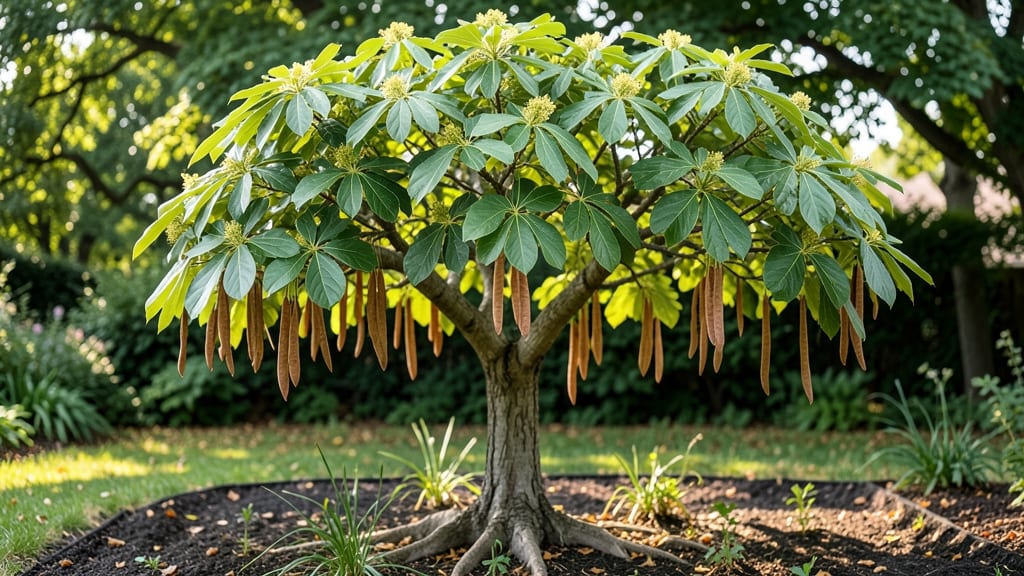
Those tree of heaven pods are nature’s warning sign—slimy, brown, and packed with toxins that choke out native plants. 🌱 I’ve spent years wrestling with this invasive tree, and the key to stopping its spread starts with knowing exactly how to remove those pods before they turn into next year’s infestation.
The problem isn’t just the pods—it’s the tree itself. Ailanthus altissima releases a chemical called ailanthone that stunts growth in nearby plants, giving it a monopoly on sunlight and space. Once established, it’s nearly impossible to eradicate without aggressive action, but early removal makes all the difference.
You’ll learn a 3-step process that works whether you’re dealing with a single tree or a full grove: how to identify the pods, the safest removal methods (including gloves and disposal tips), and natural alternatives to keep it from coming back. No fancy tools required—just persistence.
This method works for urban lots, rural properties, and even small backyards where one tree can quickly become a dozen. The goal? A landscape where native plants thrive instead of suffocating under this toxic invader.
Root Causes Behind Invasive Spread
The prolific spread of tree of heaven pods isn’t random—it’s driven by a mix of biological advantages and environmental factors. Understanding these triggers helps explain why this tree dominates landscapes and why its pods become such a nuisance.
Here’s a breakdown of the key reasons behind its aggressive growth and seed dispersal.
The tree of heaven (Ailanthus altissima) thrives because of its rapid growth rate and deep, invasive root system. Unlike many trees, it can sprout from even tiny root fragments left in the soil after removal. Here’s how it works:
- Suckering roots: When the main tree is cut down, its roots can regenerate multiple shoots, each capable of producing pods. This makes mechanical removal tricky—you must dig deep (often 1–2 feet below ground) to prevent regrowth.
- Competitive advantage: Its roots release allelopathic chemicals that suppress nearby plants, giving it an edge in crowded or disturbed areas (like construction sites or abandoned lots).
- Fast maturation: A tree of heaven can grow 3–5 feet per year and produce pods as early as 3–5 years old, accelerating its spread.
Pro tip: If you’re dealing with a stump, don’t just chop it—apply horticultural vinegar or glyphosate to the cut surface to kill the root system before it sends up new shoots. 🔥
The tree’s pods are nature’s perfect seed dispersal machine. Each pod splits open to release 1–5 winged seeds that hitchhike on the wind, traveling up to 100 feet or more from the parent tree. Here’s why this makes them so hard to control:
- Timing is everything: Pods mature in late summer to fall (August–October), when winds are strong. A single tree can produce 30,000+ seeds per year, ensuring widespread colonization.
- Germination triggers: Seeds lie dormant until disturbed (e.g., by soil movement or sunlight), which explains why they pop up after landscaping or heavy rain.
- Urban advantage: Cities with impervious surfaces (concrete, pavement) create ideal conditions—seeds get lodged in cracks, where they germinate undisturbed.
Actionable fix: If pods are already on the ground, rake or vacuum them up before they release seeds. For large infestations, consider mulching with thick cardboard to block sunlight and prevent germination. ✨
While the tree of heaven can spread naturally, human actions accelerate its takeover. Here’s how we unintentionally help it:
| Human Factor | How It Helps the Tree |
|---|---|
| Construction & landscaping | Exposed soil and root fragments create perfect germination sites. |
| Poor waste disposal | Pods or plant debris in landfills or compost piles can sprout new trees. |
| Lack of native competition | Monocultures (e.g., lawns or ornamental plantings) give it no natural rivals. |
| Climate resilience | It tolerates pollution, drought, and poor soil—thriving where natives fail. |
Key takeaway: The tree of heaven exploits human-altered environments. To slow its spread, prioritize soil stabilization (e.g., planting ground covers) and proper disposal of plant waste. 🌡️
Next up: Learn how to identify these pods and remove them safely before they take over your yard. 🚀
Remove and Prevent Invasive Pods
Dealing with tree of heaven pods—those pesky, toxic seed clusters—requires a mix of immediate action and long-term prevention. Whether you’re dealing with an existing infestation or want to stop future spread, these practical, step-by-step solutions will help you reclaim your yard safely and effectively.
If you’ve spotted just a few trees or pods, physical removal is the fastest way to tackle the problem.
✅ How to Do It:
- 👨🍳 Wear protective gear – Gloves, long sleeves, and goggles are a must. The sap and pods can irritate skin and eyes.
- 🔪 Cut the tree at the base – Use a pruning saw or chainsaw to remove the entire tree. If it’s large, hire a professional arborist to avoid injury.
- 🌡️ Collect and dispose of pods – Place pods in a sealed plastic bag (double-bag for extra security) and throw them in the trash—never compost them. Burning is not recommended due to smoke hazards.
- 🚫 Do NOT leave debris behind – Even small branches or roots can regrow, so remove all plant material.
💡 Pro Tip: If the tree is still young (under 10 feet), you can dig it out by hand—just be sure to get the entire root system to prevent regrowth.
If manual removal isn’t feasible (e.g., the tree is massive or deeply rooted), herbicides can be an effective last resort.
✅ How to Do It:
- 📊 Choose the right herbicide – Look for glyphosate-based or triclopyr-based products labeled for woody plants. Follow the instructions exactly—overuse can harm nearby plants.
- 🎯 Apply in late fall or early spring – This is when trees are dormant, making them more susceptible to treatment.
- 🔪 Cut stumps and apply herbicide – If you’ve already cut the tree, drill holes into fresh stumps and pour in the herbicide to kill remaining roots.
- 🌡️ Monitor and reapply if needed – Some trees may require 2-3 treatments over a season.
⚠️ Warning: Herbicides can harm pets and children, so keep them away during and after application. Always follow safety labels.
Once you’ve removed the tree of heaven, preventing regrowth and new invasions is key.
✅ How to Do It:
- 🚫 Remove seed pods immediately – If you spot pods on nearby trees, collect and dispose of them before they spread.
- 🌳 Inspect your property regularly – Tree of heaven spreads rapidly, so check for new sprouts every few months.
- 🌱 Plant competitive native species – Trees like black walnut, oak, or hickory outcompete tree of heaven for space and resources.
- 🔒 Install a root barrier – If the tree is near your property line, a deep root barrier (buried plastic or metal) can block underground spread.
- 🚜 Consider professional monitoring – If your area is prone to invasions, a local arborist or extension service can help with long-term management.
💡 Pro Tip: Mulch heavily around your yard—tree of heaven struggles to grow in dense, healthy mulch layers (3-4 inches deep).
To keep your yard tree of heaven-free, follow this simple checklist:
| Task | When to Do It | How Often |
|---|---|---|
| Inspect for new growth | Spring & Fall | Every 3-6 months |
| Remove seed pods | As soon as spotted | Immediately |
| Reapply herbicide | Late fall/early spring | If needed (1-2x/year) |
| Monitor borders | Year-round | Monthly |
By combining manual removal, targeted chemicals (when necessary), and smart prevention, you can eliminate tree of heaven pods and protect your property for good. Stay vigilant—early action is the best defense against this invasive nuisance!
Frequently asked questions
Are tree of heaven pods toxic to pets or humans?
The pods themselves aren't highly toxic, but the tree releases ailanthone—a chemical that can cause skin irritation or allergic reactions in sensitive individuals. Never burn the pods (toxic smoke!) and keep pets away from fresh cuts or sap, which may cause mild stomach upset if ingested.
How can I tell if new sprouts are tree of heaven?
Look for compound leaves with 11-41 leaflets arranged in clusters, and a distinctive bitter almond smell when crushed. Young trees also grow fast (3-5 feet/year) and develop thorny branches. Compare with photos of native trees to confirm.
Will vinegar kill tree of heaven roots?
Yes! Horticultural vinegar (20-30% acetic acid) works well for small trees or stumps. Spray directly on cut stumps or young shoots in sunny weather (it needs sunlight to work). For large root systems, reapply every 2-3 weeks until growth stops. Mix with dish soap to improve adhesion.
Can I compost tree of heaven pods?
No—never compost any part of the tree. The seeds can survive composting heat and sprout later. Instead, double-bag pods in plastic and dispose in trash with lid secured. For large quantities, contact your local landfill or waste management for proper disposal instructions.
Why do I keep finding new trees when I thought I removed them?
Tree of heaven spreads through root fragments and wind-dispersed seeds. Even small pieces left in soil can regrow. To prevent this: dig 1-2 feet deep when removing, apply vinegar or herbicide to stumps, and inspect your yard monthly for new shoots (especially near old growth areas).