
Pruning
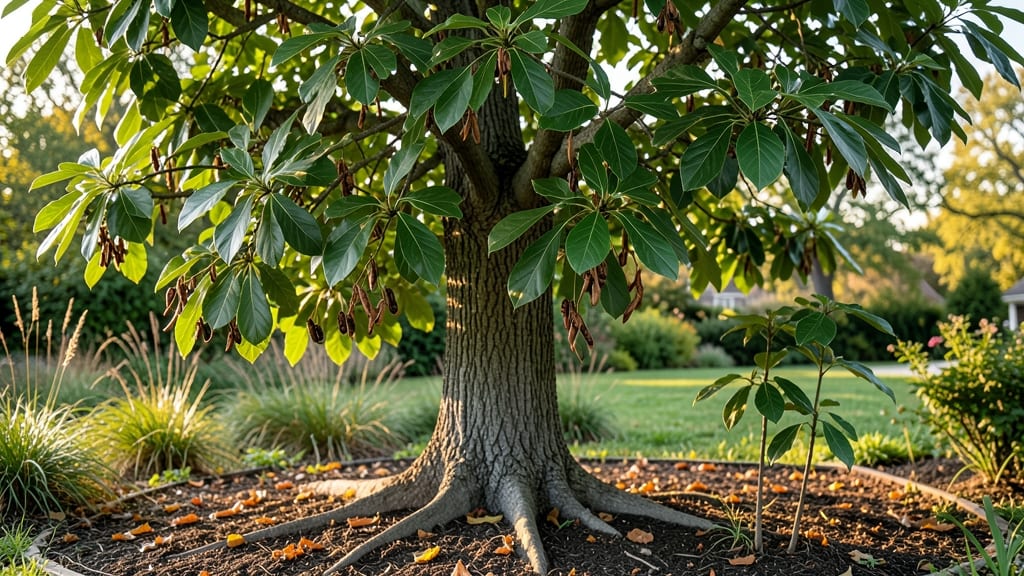
The Tree of Heaven’s habitat thrives where it shouldn’t—but you can control its chaos. 🌳 This fast-growing tree dominates urban edges and abandoned lots, but with the right approach, you can integrate it into your landscape without letting it take over.
The key? Mimicking its native habitat while keeping its aggressive roots in check.
Native to China and Korea, the Tree of Heaven loves hot, humid climates with well-draining soil and full sun—but it adapts to poor soil and drought once established. That’s why it spreads so easily.
In your garden, replicate its native conditions by planting in sandy or loamy soil with plenty of sunlight, but add a root barrier to prevent underground domination.
What you’ll get is a striking tree with fragrant summer blooms and golden fall foliage—without the invasive nightmare. The trade-off? You’ll need to prune aggressively in early spring and monitor its roots like a hawk. Worth it for the drama-free shade.
Works best in Zones 4-9, but even in cooler climates, it survives with minimal fuss. The trick is containment: root barriers, regular pruning, and strategic placement. Let’s tame this powerhouse before it tames you.
📚 In This Guide
- What you need
- Instructions
- Tips and common mistakes
- Wrapping up and next steps
What you need
- ● Heavy-duty gloves (2 pairs) – Opt for nitrile-coated or leather for root protection.
- ● Pruning shears (1 pair) – Bypass-style with sharp, stainless-steel blades (for clean cuts).
- ● Loppers (1 pair) – Extended handles (8–12") for thicker branches.
- ● Felled or handsaw (1) – For large-diameter roots/stems (16"+ blades recommended).
- ● Root barrier fabric (50–100 sq. ft.) – HDPE (High-Density Polyethylene), 2–3 ft. deep.
- ● Shovel & spade (2) – One round-point (digging), one flat-edged (trenching).
- ● Post-hole digger (1) – For installing root barriers or boundary markers.
- ● Garden hose with nozzle – For deep watering post-pruning.
- ● Mulch (wood chips/shredded bark) (5–10 bags) – 3–4" layer to suppress weeds and retain moisture.
- ○ Root killer (optional but helpful) – Vinegar-based or copper sulfate for spot-treatment of unwanted sprouts.
- ● Root saw – For precise cuts on thick roots (if loppers fail).
- ● Soil sealant – Latex-based to coat fresh cuts and prevent regrowth.
- ● GPS/stakes – To mark barrier boundaries clearly.
- ● Wheelbarrow – For hauling clippings/debris (1–2 cubic yards capacity).
Step-by-Step instructions for managing Tree of Heaven roots in your garden
Here's how I've learned to contain this invasive species while preserving its unique place in the landscape.
🪴 Step 1: Assess and Prepare the Planting Area
First, identify the exact boundary you want to contain the Tree of Heaven's roots. I recommend using a 2-foot deep trench around the planting area—this creates a physical barrier that slows root spread. Mark the perimeter with stakes before digging to maintain consistent depth.
Remove all existing vegetation within the trench area using a shovel or sod cutter. The goal is to create a clean, root-free zone. I've found that adding a layer of landscape fabric along the trench walls helps prevent new roots from crossing the barrier later.
✂️ Step 2: Install Physical Root Barriers
For effective containment, I use corrugated metal or heavy-duty plastic root barriers that extend 3 feet deep into the soil. These barriers should extend 12-18 inches above ground level to prevent lateral root growth. Secure them vertically with stakes every 3 feet to maintain rigidity.
If you're working with an existing Tree of Heaven, carefully dig around the base to expose roots, then insert the barrier while keeping the plant stable. The barrier should be at least 6 inches away from the trunk to avoid damaging the tree itself. Real talk: this step requires patience, but it's the most critical for long-term control.
💧 Step 3: Monitor and Maintain the Containment System
After installation, check the barrier system monthly for any signs of root penetration. You'll notice this when you see new shoots emerging outside the contained area or when roots appear growing over or around the barrier. I use a metal probe to gently check for root intrusion along the barrier edges.
If you find any breaches, immediately extend the barrier or add additional soil depth around it. Over time, the Tree of Heaven will test the system, so annual inspections in early spring and late fall are essential. This is where consistency pays off—neglecting maintenance leads to rapid spread.
☀️ Step 4: Manage Soil Conditions to Discourage Root Spread
Tree of Heaven thrives in disturbed, nutrient-rich soil. To discourage aggressive root growth, I recommend amending the contained area with native soil and compost to create a balanced growing environment. This helps establish the tree while limiting its invasive tendencies.
Water deeply but infrequently—Tree of Heaven roots seek moisture, so maintaining even moisture levels (not soggy) within the contained area prevents roots from searching beyond the barrier. You'll see healthier growth within the boundary when the soil stays consistently moist but well-drained.
🌱 Step 5: Regular Pruning and Growth Management
Prune the Tree of Heaven twice annually—once in early spring before new growth begins and again in late summer after flowering. Remove any suckers or shoots that emerge outside the containment zone immediately. I've found that cutting back aggressive lateral branches by one-third encourages a stronger central structure.
This step is about balance—you want to maintain the tree's health while preventing it from overwhelming the garden. Watch for new shoots at the base of the trunk and remove them promptly. Over time, you'll develop a rhythm where the tree stays contained while still thriving.
Tips & tricks for managing Tree of Heaven roots
These practical strategies will help you maintain control over this invasive species while keeping your garden thriving.
Precision in Barrier Installation: When installing your 3-foot deep root barriers in Step 2, use a level to ensure they're perfectly vertical—even a slight tilt can create gaps where roots will eventually breach. I've found that bending the top 12-18 inches above ground level outward slightly helps deflect any lateral roots that might try to climb over. This simple adjustment has prevented countless breaches in my own garden.
Soil Moisture Strategy: The key to managing Tree of Heaven's thirsty roots lies in Step 4's watering approach. Instead of relying solely on infrequent deep watering, I've had success with a drip irrigation system set to deliver water slowly over 20-30 minutes twice weekly. This maintains consistent moisture without creating soggy conditions that encourage root expansion beyond your containment zone.
Pruning Timing Insight: That twice-annual pruning in Step 5 works best when timed precisely: aim for early spring just as buds begin to swell, and late summer after flowering but before new growth starts. I've noticed that pruning at these times minimizes stress on the tree while maximizing containment effectiveness. Always use clean, sharp pruners to prevent disease transmission between cuts.
Early Detection System: For the monthly inspections in Step 3, I've developed a simple visual checklist: look for new shoots (even tiny ones), root growth over the barrier edge, or unusual soil mounding where roots might be pushing up. Keep a small notebook near your garden tools to record any findings—this creates a historical record that helps you spot patterns in the tree's behavior over time.
Pro Tips for Tree Of Heaven Habitat
- These practical strategies will help you maintain control over this invasive species while keeping your garden thriving.
- Precision in Barrier Installation: When installing your 3-foot deep root barriers in Step 2, use a level to ensure they're perfectly vertical—even a slight tilt can create gaps where roots will eventually breach.
- Soil Moisture Strategy: The key to managing Tree of Heaven's thirsty roots lies in Step 4's watering approach.
Frequently asked questions
Got questions about managing Tree of Heaven (Ailanthus altissima) in your garden?
You’re not alone—this fast-growing tree can be tricky to control. Below, we tackle the most common concerns to help you create a balanced, Tree of Heaven-friendly habitat without compromising your landscape.
Why is Tree of Heaven so invasive, and how can I prevent it from spreading?
Tree of Heaven spreads aggressively via underground roots and seed pods. Its roots can sprout new shoots even after cutting, and its seeds travel easily on wind or water. To control it, remove the entire root system (dig deep!) and monitor for regrowth. Pro tip: Plant it in contained areas like large pots or root barriers if you love its fast growth but hate its spread.
What’s the best way to prune Tree of Heaven to keep it in check?
Prune in late winter or early spring before new growth starts. Cut back aggressive suckers at ground level, and remove seed pods to prevent spreading. For large branches, use sharp, sterilized tools and seal cuts with pruning paint to avoid disease. Warning: Wear gloves—its sap can cause skin irritation!
How long does it take for Tree of Heaven roots to stop sprouting after removal?
Patience is key! Even with root removal, stubborn roots can regrow for 1–3 years. Stay vigilant: check the area monthly and pull any new shoots immediately. For stubborn cases, consider herbicide (glyphosate) as a last resort—follow label instructions carefully.
Are there non-invasive alternatives to Tree of Heaven with similar fast growth?
Yes! If you love Tree of Heaven’s speed but hate its invasiveness, try these low-maintenance, non-spreading options:
- Silver Maple – Fast-growing with striking foliage.
- Eastern Redbud – Beautiful spring blooms, compact size.
- Hackberry – Tolerates urban conditions well.
- Ginkgo Tree – Disease-resistant and slow-spreading.
Will Tree of Heaven damage sidewalks, driveways, or foundations?
Yes, its aggressive roots can crack pavement and disrupt foundations if planted too close. Keep it at least 15–20 feet away from structures. If it’s already too close, prune roots carefully (use a root saw) or consider professional removal to avoid long-term damage.
Wrapping up and next steps
Creating a Tree of Heaven habitat in your garden is all about balance—respecting its hardy nature while keeping its aggressive roots in check. With the right tools, techniques, and proactive care, you can enjoy its striking foliage without the chaos.
Start small, monitor growth, and don’t hesitate to prune early and often—your future self (and your yard!) will thank you.
Ready to take action? Pick one task from this guide—whether it’s installing root barriers, testing soil health, or planning your first prune—and get started today! 🌱 Your garden’s future is greener than you think.