
Trees
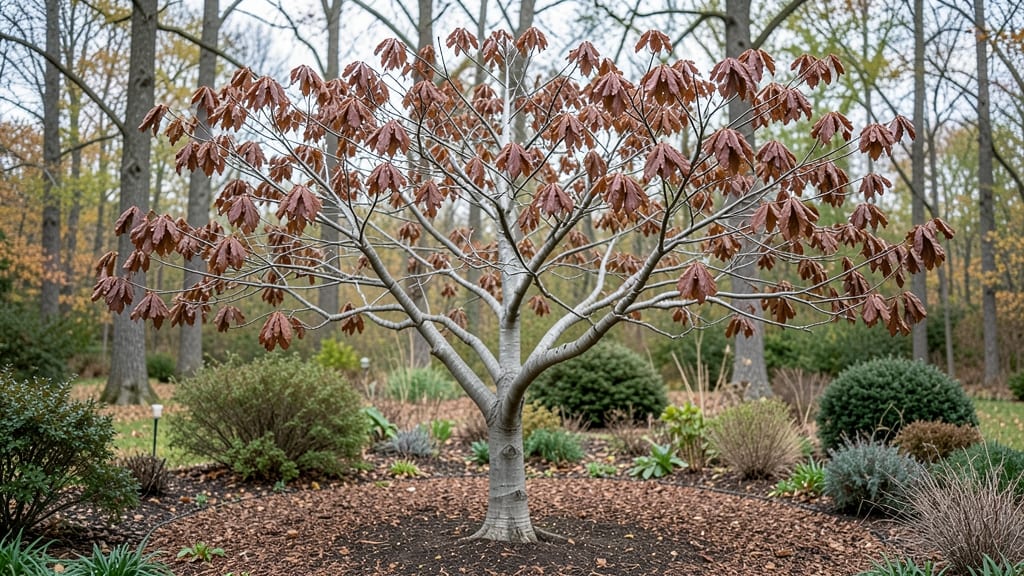
Your redbud tree’s brown leaves aren’t a death sentence—they’re a wake-up call. 🌿 I’ve nursed back more than my share of struggling redbuds, and the key is understanding what’s really causing those crispy edges or patchy discoloration.
Is it last summer’s drought, a fungal infection hiding in the bark, or maybe those pesky aphids you missed in spring? The first step is identifying the exact shade of brown—dull yellowish-brown often signals fungal issues like anthracnose, while crispy brown edges point to environmental stress.
Once you know the culprit, the fixes are surprisingly simple: proper pruning, targeted treatments, and a little extra TLC can have your tree looking vibrant again by next spring.
What you’ll end up with is a tree that blooms earlier, stays healthier through droughts, and puts on fresh green leaves by late summer. The best part? Most solutions take less than an hour and use supplies you already have at home.
We’ll cover everything from early signs to long-term prevention—so grab your pruners and let’s get that redbud back to its glory days.
Root Causes Behind Browning Leaves
Understanding why your redbud tree’s leaves turn brown is the first step to reviving its health. These trees—known for their stunning spring blossoms—can develop brown foliage due to a mix of environmental stressors, biological threats, and even human-related factors.
Below, we break down the key culprits behind this issue, backed by science and actionable insights.
Redbud trees (Cercis canadensis) thrive in USDA Hardiness Zones 4–9, but they’re sensitive to sudden temperature swings. When exposed to heatwaves, frost, or cold snaps, their leaves can scorch (turning brown) or wilt prematurely.
- Heat Stress: Temperatures above 90°F (32°C) for prolonged periods cause oxidative damage in leaves.
The chlorophyll breaks down, leading to browning—especially if the tree lacks adequate water. - Actionable Fix: Mulch the base with 2–4 inches of organic mulch (like wood chips) to insulate roots and retain moisture.
Water deeply early in the morning to reduce evaporation. - Cold/Frost Damage: Young leaves are vulnerable to late spring frosts (below 28°F/-2°C).
Cells rupture, causing brown, crispy patches or entire leaves to blacken. - Actionable Fix: If frost is forecasted, cover the tree with frost cloth or use a sprinkler system to create a protective ice layer. Avoid pruning in late fall/winter, as new growth is more frost-sensitive.
Redbud trees are drought-tolerant once established, but their leaves scream for help when watering is off-kilter.
- Underwatering: - Leaves curl, edges brown and crisp, and may fall off. The tree prioritizes root survival over foliage, leading to physiological drought stress. - Fix: Water 1–1.5 inches per week (deeply, not just surface watering).
Check soil moisture 2 inches below the surface—if dry, it’s time to water. - Overwatering: - Yellowing leaves with brown tips or mushy stems signal root rot, caused by Phytophthora or Pythium fungi in soggy soil. - Fix: Improve drainage by amending clay soil with compost or planting on a slight slope.
Ensure pots have drainage holes if growing in containers.
Brown leaves can be a silent SOS from pests or diseases. Here’s how to spot the difference:
| Symptom | Likely Culprit | How to Confirm | Solution |
|---|---|---|---|
| Holes in leaves | Japanese beetles, tent caterpillars | Inspect undersides for larvae/beetles. | Handpick pests or use neem oil spray. |
| Sticky residue + black sooty mold | Aphids, scale insects | Wipe leaves with a damp cloth; check stems. | Spray with insecticidal soap or horticultural oil. |
| Brown, curled leaves with webbing | Spider mites | Use a magnifying glass to spot tiny red mites. | Blast leaves with water or apply miticide. |
| Yellow-brown spots with black edges | Anthracnose fungus | Fungal spores appear in wet conditions. | Prune infected branches; apply copper fungicide. |
Redbud trees need balanced nutrients to produce vibrant foliage. Brown leaves often signal a mineral shortage or poor soil structure.
- Iron Deficiency (Chlorosis): - Yellow leaves with brown veins (especially in alkaline soil) mean the tree can’t absorb iron. - Fix: Apply chelated iron or sulfur to lower soil pH (aim for 6.0–7.0).
Use iron-rich compost or Epsom salt (1 tbsp/gallon of water). - Nitrogen Starvation: - Pale green or brown leaves with stunted growth?
The tree lacks nitrogen. - Fix: Fertilize in early spring with a balanced 10-10-10 or slow-release organic fertilizer (like blood meal). - Compacted or Poor Soil: - Roots struggle to access water/nutrients, leading to stress-induced browning. - Fix: Aerate the soil with a garden fork and mix in compost or peat moss to improve structure.
Incorrect pruning can shock the tree, causing leaves to brown and drop.
- Over-Pruning: - Removing more than 25% of foliage at once stresses the tree, leading to transpiration imbalances (water loss > uptake). - Fix: Prune only in late winter/early spring (before bud break).
Use clean, sharp tools to avoid tearing bark. - Improper Cuts: - Stubs or jagged cuts invite disease. Brown leaves near pruned areas may signal wound infection. - Fix: Make cuts just outside the branch collar (the swollen area where the branch meets the trunk).
Seal large wounds with pruning sealant (optional for redbuds, as they heal well).
Urban redbuds often suffer from airborne toxins, which cause brown speckling or uniform browning.
- Ozone Damage: - Leaves develop brown flecks or stippling (tiny dead spots) from ground-level ozone (common in smoggy areas). - Fix: Avoid planting near high-traffic roads or industrial zones.
Use anti-transpirant sprays in extreme pollution seasons. - Salt or Chemical Burn: - Brown leaf edges near sidewalks or driveways? Road salt or herbicides may be the culprit. - Fix: Flush the soil with water after salt application. Use organic mulch barriers to protect roots.
Even healthy redbud trees shed older leaves as part of their life cycle.
- Natural Senescence:
- Leaves may turn brown and drop in late summer/fall before new growth emerges.
- Fix: No action needed—this is normal! Focus on spring pruning to encourage fresh foliage.
Pro Tip 💡: Diagnose before treating! Snap a photo of the browning pattern, note the tree’s location, and check for pests. Use a soil test kit ($15–$20) to rule out nutrient issues. Most brown-leaf problems are preventable with proper care—start by addressing the root cause!
Revive Your Redbud’s Health
Now that you understand why your redbud tree’s leaves are turning brown, let’s tackle the solutions—tailored to each cause—so you can restore its vibrant blooms. These steps are practical, easy to follow, and designed to prevent future issues.
If brown leaves stem from poor soil health, a targeted approach will restore balance.
H3: 🔥 Test Your Soil First Before adding amendments, test your soil’s pH and nutrient levels. A simple DIY kit (available at garden centers) or a professional lab test will reveal deficiencies. Redbuds thrive in slightly acidic to neutral soil (pH 6.0–7.5).
H3: 🍳 Amend the Soil
- For nitrogen deficiency (yellowing leaves): Apply a balanced fertilizer (10-10-10) in early spring. Organic options like composted manure or alfalfa meal work well.
- For iron or magnesium deficiency (yellow between veins): Sprinkle iron sulfate or Epsom salt (magnesium sulfate) around the base. Water thoroughly to activate.
- For potassium deficiency (brown edges): Use a potassium-rich fertilizer like greensand or wood ash (sparingly).
H3: 👨🍳 Mulch for Long-Term Health Spread 2–4 inches of organic mulch (wood chips, shredded bark) around the tree’s base, keeping it 6 inches away from the trunk. This retains moisture, regulates temperature, and slowly releases nutrients as it decomposes.
💡 Pro Tip: Water deeply after amending to help nutrients penetrate the soil.
Overwatering or underwatering can stress your redbud, leading to browning leaves.
H3: 🌡️ Check Moisture Levels Stick your finger 2 inches into the soil. If it’s dry, it’s time to water. If it’s soggy, hold off—redbuds hate "wet feet."
H3: 💦 Water Deeply but Infrequently
- Watering schedule: 1–2 times per week in dry spells (adjust for rain).
- Method: Use a soaker hose or drip irrigation to deliver water slowly at the base, avoiding the foliage to prevent fungal diseases.
- Avoid: Shallow watering or sprinklers, which encourage surface evaporation and root stress.
H3: 🏗️ Improve Drainage if Needed If your redbud sits in a low spot where water pools:
- Raise the soil level slightly with a mix of topsoil and compost.
- Install a French drain if waterlogging is severe.
Brown leaves caused by pests or fungal infections require prompt action.
H3: 🔪 Identify the Culprit
- Japanese beetles, aphids, or spider mites? Look for chewed leaves, sticky residue (honeydew), or tiny webs.
- Fungal issues (like anthracnose)? Check for dark spots with yellow halos or leaf curling.
H3: 🛡️ Treat Infestations
- For pests:
- Neem oil spray (mix 1 tbsp neem oil + 1 tsp mild soap + 1 quart water). Spray early morning or evening to avoid harming bees.
- Beneficial insects: Release ladybugs or lacewings to prey on aphids.
- For fungal diseases:
- Prune infected branches (sterilize tools with rubbing alcohol).
- Apply copper fungicide or baking soda spray (1 tbsp baking soda + 1 tsp oil + 1 quart water) every 7–10 days until the issue resolves.
H3: ✨ Prevent Future Outbreaks
- Encourage airflow by thinning dense foliage (see pruning tips below).
- Clean up fallen leaves to reduce fungal spores.
- Avoid overhead watering to keep leaves dry.
Strategic pruning removes dead branches, improves airflow, and encourages new growth.
H3: 📊 When and How to Prune
- Best time: Late winter or early spring (before new growth starts).
- Tools: Use clean, sharp pruners (sterilize with bleach or alcohol).
- Technique:
- Remove dead/dying branches (they’ll snap easily—cut at the branch collar).
- Thin out crowded branches to improve airflow (aim for an open vase shape).
- Trim back suckers (shoots growing from the base or trunk).
H3: ⏰ Post-Pruning Care
- Seal cuts with pruning sealant (optional but helpful for large cuts).
- Water deeply after pruning to reduce stress.
- Avoid heavy pruning in summer—it stresses the tree.
Keep your redbud thriving with these low-maintenance habits:
- 📊 Monitor regularly: Check leaves weekly for early signs of stress.
- 🌡️ Protect from extreme weather: Use burlap wraps in winter if your area has harsh winds or ice.
- 🍄 Avoid compacted soil: Aerate the root zone if the ground feels hard.
- 🌱 Plant companions wisely: Avoid competitive species (like invasive grasses) near the base.
With these solutions, your redbud should bounce back with lush green leaves and stunning spring blooms in no time! 🌸
Frequently asked questions
Why are my redbud tree leaves turning brown in patches instead of all at once?
Patchy browning often signals localized stress. Check for fungal infections like anthracnose (dark spots with yellow edges) or pest infestations (like spider mites or aphids). These issues typically start on specific branches before spreading. Examine leaf undersides with a magnifying glass for tiny webs or insects.
Can I save my redbud tree if half the leaves are already brown?
Yes! Act fast by pruning dead branches (cut at the branch collar) and addressing the root cause. If it's environmental (like drought), deep watering and mulching can revive it. For pests/diseases, apply neem oil or copper fungicide immediately. Most redbuds recover well with proper care!
Is it normal for redbud leaves to brown and drop in late summer?
Partially yes—this is natural senescence, where older leaves prepare for winter. However, if more than 30% of leaves brown prematurely, check for underwatering or nutrient deficiencies. Healthy redbuds should still have plenty of green foliage by late summer.
How often should I fertilize a redbud tree with brown leaves?
Fertilize once in early spring with a balanced 10-10-10 formula if leaves show signs of nitrogen deficiency (pale green). For iron/magnesium issues (yellow between veins), use Epsom salt or iron sulfate in early spring and late summer. Avoid fertilizing in fall or winter.
Will pruning help if my redbud's brown leaves are from heat stress?
Pruning alone won't fix heat stress, but it helps reduce stress by improving airflow. Focus on removing only dead/dying branches (never more than 25% of foliage). Pair pruning with deep watering and morning shade during heatwaves. Mulching also protects roots from temperature swings.