
Pruning
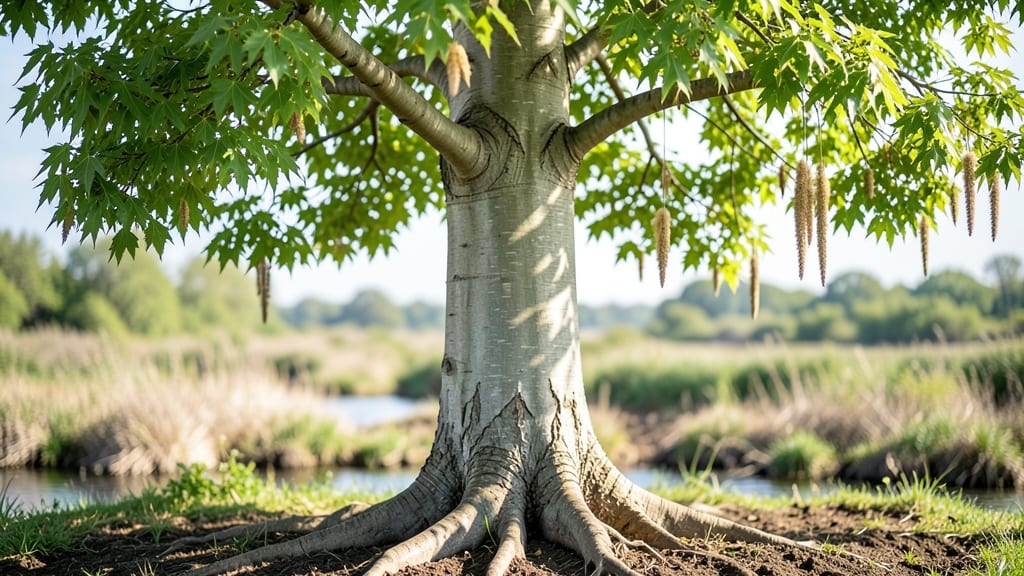
South Carolina's fast-growing poplar trees transform bare yards into lush privacy screens within just a few years. 🌳 I've planted Eastern Cottonwoods and Carolina Poplars in my Lowcountry property, and the difference in shade and wind protection is night and day—especially during those brutal summer afternoons.
These trees thrive in our humid climate, handling South Carolina's heat and occasional drought once established. They love moist soil but won't complain about clay if you improve drainage. The key is planting in early spring when roots can establish before summer's intensity hits.
By year three, you'll have a 20-foot-tall natural barrier that keeps neighbors' views—and noise—at bay. The foliage stays vibrant through winter, though you'll want to prune suckers aggressively to keep them from spreading like weeds.
Native varieties like Eastern Cottonwood grow 3-5 feet per year, making them perfect for quick privacy. Just watch for root competition with nearby plants and be ready to stake young trees against our frequent summer storms.
📚 In This Guide
- What you need
- Instructions
- Tips and common mistakes
- Wrapping up and next steps
What you need
- ● Poplar tree seedlings or saplings: 3–5 (depending on desired height and spacing; eastern cottonwood (Populus deltoides) or yellow poplar (Liriodendron tulipifera) are great SC choices).
- ● High-quality soil: 50 lbs of compost or organic matter (for nutrient-rich planting beds).
- ● Mulch: 2–3 cubic yards (pine straw or wood chips to retain moisture and suppress weeds).
- ○ Tree stakes (optional but recommended): 4–6 stakes (5–6 ft tall) + 10–12 ft of twine or burlap strips for support.
- ● Pruning tools: Hand pruners (bypass pruners for clean cuts).
- ● Loppers (for thicker branches).
- ● Pruning saw (for large-diameter limbs).
- ● Shovel & spade: 1 round-point shovel + 1 spading fork (for digging and aerating).
- ● Wheelbarrow: 1 (for hauling soil/mulch).
- ● Measuring tape: 1 (to mark spacing and height).
- ● Gloves & safety gear: Work gloves, goggles, and long sleeves (poplar sap can irritate skin!).
- ● Location: Full sun to partial shade; avoid low-lying areas (poplars dislike soggy roots).
- ● Spacing: Plant saplings 10–20 ft apart for a dense screen (adjust based on mature size).
- ● Best planting time: Early spring or fall (avoid SC’s hot summer months).
- ● Water source: Hose with adjustable nozzle or watering can (deep watering 2–3x/week for the first year).
- ● Local regulations: Check HOA rules or county guidelines (some areas restrict fast-growing trees).
- ● Tree fertilizer (balanced 10-10-10 or slow-release granules).
- ● Tree guard or protective wrap (to deter pests like deer or rabbits).
- ● Post-planting root stimulator (for faster establishment).
- ● String trimmer or edger (for shaping mulch beds neatly).
How to plant poplar trees for fast privacy screens in South Carolina
Here's the proven method I use to establish poplar trees quickly for lush, year-round privacy.
🌱 Step 1: Select the Right Poplar Variety for Your Site
South Carolina's humid climate favors fast-growing poplar species like the Eastern cottonwood (Populus deltoides) or Carolina poplar (Populus × canadensis). These varieties thrive in our USDA zones 7-9 and reach 50-70 feet tall within 10-15 years, providing rapid privacy. Avoid hybrid poplars like the Trumpet poplar—they grow too fast and develop weak wood.
Check your soil type before planting. Poplars prefer moist, well-drained soil with a pH between 6.0 and 7.5. If your soil is heavy clay, amend with 2-3 inches of compost mixed into the top 12 inches of soil to improve drainage. I always test drainage by digging a 12-inch deep hole—if water pools after 24 hours, you’ll need to raise the planting area or improve drainage.
🪴 Step 2: Choose Planting Locations and Prepare the Site
Poplars need full sun (6-8 hours daily) for optimal growth, so select a site with minimal overhead shade. For a 4-tree privacy screen, space plants 20-25 feet apart—this spacing allows them to fill in quickly while leaving room for root expansion. Mark planting spots with wooden stakes to avoid guessing later.
Dig planting holes twice as wide as the root ball but no deeper. Poplars hate having their roots buried too deep, which can cause root rot or girdling. Loosen the sides of the hole with a shovel to encourage root spread. If your soil is sandy, mix in 1-2 gallons of peat moss per hole to retain moisture during establishment.
⏰ Step 3: Plant at the Right Time for Fast Establishment
Plant poplar trees in early spring (March-April) or fall (October-November) to give roots time to establish before extreme heat or cold. Avoid planting in summer—the heat stresses young trees, slowing growth. When removing the tree from its container, loosen the root ball if it’s tightly bound. Place the tree in the hole so the top of the root ball sits 1-2 inches above ground level—this prevents water from pooling at the base.
Backfill the hole with native soil, tamping down gently in 3-inch layers to eliminate air pockets. Water deeply after planting to settle the soil, then create a 4-inch deep mulch ring around the base (but keep mulch 6 inches away from the trunk to prevent rot). Use wood chips or pine straw—these break down slowly and improve soil structure over time.
💧 Step 4: Water and Fertilize for Rapid Growth
Poplars need consistent moisture during their first 2-3 years to establish strong root systems. Water deeply 2-3 times per week during the first growing season, providing 10-15 gallons per tree each time. You’ll know you’re watering enough when the soil feels moist 6 inches below the surface. Reduce watering in winter unless there’s a prolonged drought.
Fertilize lightly in early spring with a balanced 10-10-10 fertilizer, applying ½ pound per inch of trunk diameter. For a 4-inch diameter tree, that’s about 2 pounds of fertilizer. Avoid high-nitrogen fertilizers—they promote leafy growth at the expense of root development. I also side-dress with compost tea every 6 weeks to boost microbial activity in the soil.
☀️ Step 5: Prune and Protect for Long-Term Health
Prune young poplars in late winter (February) to remove dead, diseased, or crossing branches. Use clean, sharp pruners to make cuts just outside the branch collar. Avoid heavy pruning—poplars resprout quickly but may develop weak branch structures if pruned too aggressively. I never remove more than 20% of the canopy in any single year.
Protect young trees from deer and rabbit browsing with tree guards made from hardware cloth wrapped around the trunk. Poplars are highly palatable to wildlife, and a single browse line can kill a young tree. In South Carolina, fall webworms and poplar borers can also be issues—apply neem oil spray in early summer as a preventive measure.
Tips & tricks for fast-growing poplar privacy screens
These practical insights will help you accelerate growth and avoid common pitfalls when establishing your South Carolina privacy hedge.
Soil Test First: Before amending your soil, conduct a proper pH test using a soil kit available at garden centers. Poplars thrive in the 6.0-7.5 pH range, but many South Carolina soils run acidic. If your test shows pH below 6.0, add pelletized lime at a rate of 50 pounds per 100 square feet and retest in 3 months. I learned this the hard way—my first planting struggled because the soil was too acidic despite the compost amendment.
Root Ball Preparation: When removing container-grown poplars, score the root ball with a knife every 2 inches around the perimeter to encourage root spread. This simple step prevents "pot-bound" shock where roots circle tightly. For balled-and-burlapped trees, remove the top 1/3 of the burlap to prevent girdling as the tree grows. The 1-2 inch elevation above ground level mentioned in Step 3 is critical—this prevents water from pooling at the base during heavy rains.
Watering Strategy: During South Carolina's hot summers, increase your watering frequency to every other day rather than sticking to the 2-3 times per week guideline. Use a soaker hose placed at the drip line (not the trunk) to deliver water directly to the root zone. The 10-15 gallons per tree recommendation works for average conditions, but during droughts, you may need up to 20 gallons per watering to maintain that 6-inch deep moisture we want.
Fertilizer Timing: While the instructions recommend applying fertilizer in early spring, I've found that a second light application in late summer (August) gives poplars a growth boost before winter dormancy. Use half the spring dose (1 pound per inch of trunk diameter) and apply it 6 inches away from the trunk to avoid root burn. This second feeding helps compensate for the energy trees use fighting pests like fall webworms that become active in summer.
Pro Tips for Poplar Tree South Carolina
- These practical insights will help you accelerate growth and avoid common pitfalls when establishing your South Carol...
- Soil Test First: Before amending your soil, conduct a proper pH test using a soil kit available at garden centers. Po...
- Root Ball Preparation: When removing container-grown poplars, score the root ball with a knife every 2 inches around ...
Frequently asked questions
about poplar trees in South Carolina—because growing a lush, fast privacy screen should be simple (and drama-free!). Here’s what you need to know:How fast do poplar trees grow in South Carolina?
Poplar trees (especially hybrids like Populus deltoides) can grow 3–5 feet per year under ideal conditions—making them one of the fastest-growing trees in SC! With proper care (water, sunlight, and soil prep), you could see a 10-foot-tall screen in just 2–3 years.
Are poplar trees invasive in South Carolina?
Yes, native cottonwood poplars (Populus deltoides) can spread aggressively via seeds and root suckers, crowding out native plants. Opt for sterile hybrids like ‘Siouxland’ or ‘New England’ poplars, which produce fewer seeds and are less invasive. Always check local regulations before planting!
When is the best time to prune poplar trees in SC?
Prune poplars late winter to early spring (February–March) before new growth starts. Avoid pruning in fall or winter—it can leave cuts vulnerable to disease. Never top poplars! (It encourages weak, disease-prone regrowth.) Focus on removing dead branches and shaping for a clean, healthy tree.
Do poplar trees need full sun, or can they tolerate shade?
Poplars thrive in full sun (6+ hours daily) but can tolerate partial shade, though growth may slow. For privacy screens, plant them in sunny spots along fences or property lines. If shade is unavoidable, choose hybrid varieties bred for adaptability (like ‘Oakleaf Hybrid Poplar’).
What pests or diseases should I watch for in SC poplar trees?
Poplars are prone to:
- Aphids & scale insects: Suck sap, causing yellowing leaves. Treat with horticultural oil or insecticidal soap.
- Poplar borers: Larvae tunnel into wood, weakening trees. Prune infested branches and seal cuts with pruning paint.
- Leaf rust & powdery mildew: Common in humid SC summers. Improve airflow and avoid overhead watering.
Regular inspections (especially in spring and fall) catch issues early!
Wrapping up and next steps
Poplar trees in South Carolina are a fantastic choice for anyone seeking fast-growing, low-maintenance privacy screens that thrive in the state’s climate. 🌳 Their rapid growth, adaptability, and year-round beauty make them a standout option for enhancing your property—whether you’re blocking noise, adding shade, or boosting curb appeal.
Ready to transform your outdoor space? Start by selecting the right variety for your needs, then roll up your sleeves and get planting!
Need a little extra guidance? Check out local nurseries or extension services for soil testing and expert tips tailored to your region. Happy gardening!