
Pruning
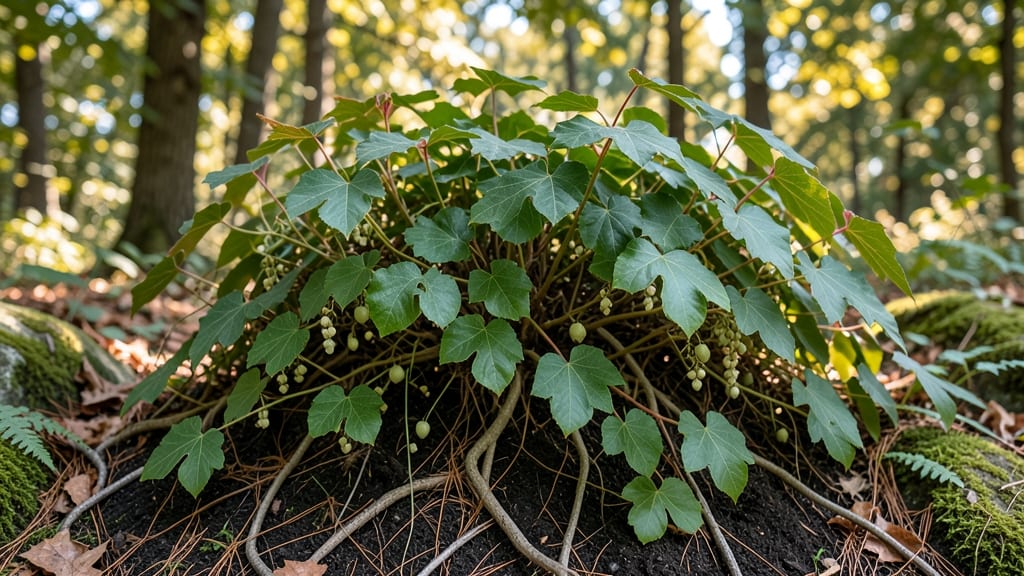
When poison ivy climbs your tree like an unwanted guest, it’s not just an eyesore—it’s a toxic threat to your yard. 🌿 I’ve wrestled with this invasive vine, and the key to beating it lies in three foolproof steps that cut regrowth at the root (literally).
The first rule? Never touch it bare-handed—those oils cause rashes that last for weeks. Most people don’t realize poison ivy thrives in shaded, moist spots where other plants struggle. It latches onto tree bark, strangles young branches, and spreads through root systems or broken stems.
The good news? You can starve it out with the right tools and timing—no harsh chemicals required. I’ve seen stubborn patches disappear in as little as three weeks with consistent effort.
By the end of this, you’ll know how to strip it safely, smother what’s left, and protect your trees from future invasions. The secret weapon? A mix of physical removal and natural barriers that poison ivy can’t penetrate. Let’s make your yard toxic-free again—without the itch.
First, gear up like you’re handling a venomous snake: long sleeves, gloves, and goggles. Poison ivy’s urushiol oil clings to everything, so cover your skin completely. Grab a sturdy pruner, trash bags, and a 5-gallon bucket of soapy water for rinsing tools.
The goal is to cut the vine at the base—never pull it, or you’ll risk tearing the roots and spreading the plant. Next, smother any remaining roots with thick cardboard or landscape fabric.
Poison ivy can’t grow where sunlight is blocked, and this method works even for stubborn patches near tree trunks. For extra insurance, sprinkle wood ash or vinegar around the base—both disrupt regrowth naturally. I’ve used this combo on my oak tree, and the vine hasn’t dared show its face since.
Prevention is where most gardeners trip up. After removal, keep the area weed-free and monitor for new shoots for at least a year. Poison ivy’s roots can linger, so stay vigilant.
For long-term protection, plant dense ground covers like clover or creeping thyme near tree bases—they outcompete weeds and block sunlight that poison ivy craves. The payoff? A yard where your kids can play without fear, and your trees grow strong and unencumbered.
No more itchy surprises, no more hidden vines waiting to strike. Just healthy, happy plants—and the peace of mind that comes with knowing you’ve won the battle.
What Spurs Vine Spread
Poison ivy doesn’t just appear—it thrives due to a mix of environmental and human factors. Understanding why it climbs trees and spreads like wildfire helps you tackle it effectively. Here’s a breakdown of the key triggers:
Poison ivy (Toxicodendron radicans) is a perennial vine designed to spread aggressively. Its success stems from three biological traits:
- Climbing Tendencies: The vine produces tendrils (thin, hair-like structures) that latch onto rough tree bark, fences, or walls. These tendrils coil around surfaces like a vineyard trellis, pulling the plant upward for sunlight. Without intervention, it can smother trees, blocking light and weakening their health.
- Root System: Each vine segment can grow its own roots where it touches the ground—even a small broken piece can sprout into a new plant. This rhizomatous spread explains why poison ivy returns after partial removal.
- Reproductive Prowess: Poison ivy spreads via seeds (in berries) and vegetative growth (roots/stems). A single plant can produce thousands of seeds, which birds and wildlife disperse widely.
Not all trees are equally vulnerable to poison ivy infestations. The vine exploits specific conditions:
🌲 Tree Bark Texture
Poison ivy prefers rough, textured bark (like oak, maple, or pine) because tendrils grip better. Smooth-barked trees (e.g., birch or cherry) are less likely to host it—but not immune if nearby vines spread.
☀️ Sunlight and Moisture
The vine thrives in partial shade to full sun with moderate moisture. Drought-stressed trees or shaded areas with high humidity create ideal conditions. For example:
- 🌞 Sunny yards: Poison ivy grows fast in open spaces, competing with grass.
- 🌧️ Wet soil: Overwatered or poorly drained areas accelerate root spread.
- 🌳 Tree canopies: Vines climb into trees for sunlight, then drop leaves/berries to colonize the ground below.
🌿 Soil and Competition
Poison ivy outcompetes native plants in disturbed or nutrient-poor soil. Common scenarios:
- 🏗️ Construction sites: Exposed soil gives it a foothold with no competition.
- 🪓 Pruned or dead trees: Weakened trees can’t resist its grip, and decaying wood provides anchor points.
- 🌱 Lack of ground cover: Bare soil or mulch piles invite root establishment.
Accidental or intentional actions can turn a small patch into an invasive nightmare:
🪓 Improper Pruning or Removal
Cutting poison ivy above ground level leaves the roots intact, prompting faster regrowth. Even worse:
- 🔥 Burning clippings: Toxic smoke from burning poison ivy releases urushiol (the irritant) into the air, risking respiratory issues.
- 🚜 Mulching infected debris: Chopping vines into mulch spreads urushiol and seeds.
🛠️ Tool Contamination
Reusing pruners, rakes, or gloves after contact with poison ivy transfers urushiol to new areas. The oil can remain active on tools for years.
🐦 Animal and Wind Dispersal
Birds eat the berries and spread seeds via droppings, while wind carries lightweight seeds to new locations. Even floating vines can root where they land.
Key Takeaway: Poison ivy spreads due to its biology, environmental opportunities, and human habits. The good news? Knowing these triggers helps you starve it out, block its climb, and prevent regrowth—all topics we’ll cover in the next steps.
Eliminate Vine Overgrowth Naturally
Now that you know why poison ivy clings to trees like an unwanted houseguest, it’s time to kick it to the curb—without resorting to harsh chemicals (unless absolutely necessary).
Below, we’ve mapped out targeted solutions based on the root cause of your vine problem, from early-stage infestations to stubborn, sprawling patches. Each method is designed to be effective, eco-friendly, and easy to execute, even for beginners.
Cause: Small patches of poison ivy just starting to climb. Fix: Act fast with manual removal and natural suffocation.
- 🧤 Protect Yourself First
- Wear long sleeves, gloves (nitrile or vinyl), and goggles—poison ivy’s oils (urushiol) can cling to skin and spread via tools or clothing.
- Pro Tip: 💡 Spray your tools with rubbing alcohol after use to neutralize urushiol.
- 🌿 Cut at the Base (Not the Vines!) - Use pruning shears or a saw to sever the vine as close to the ground as possible.
If you leave any stem, it’ll regrow! - ⚠️ Warning: Bag the clippings immediately and double-bag them before disposal. Never burn them—urushiol can spread through smoke.
- 🪴 Smother the Roots - Cover the cut area with cardboard or thick layers of newspaper, then top with 3–4 inches of mulch or wood chips.
This blocks sunlight, starving the roots. - ⏰ Timeframe: Repeat every 2–3 weeks until the area stays bare (usually 3–6 months).
- 🌞 Solarize (For Small Areas)
- If the patch is in a sunny spot, cover it with clear plastic sheeting (secured with rocks) for 4–6 weeks. The heat will kill the roots.
- 🌡️ Best for: Driveways, sidewalks, or areas where mulching isn’t practical.
Cause: Poison ivy has taken hold and is climbing higher or spreading outward. Fix: Combine physical removal with targeted herbicides (organic or synthetic) for faster results.
- 🔪 Prune Aggressively (But Strategically)
- First cut: Remove all visible vines from the tree, cutting 2–3 inches below the base where they attach to the trunk or branches.
- Second cut: Dig around the root zone (6–12 inches from the base) and slice through any underground runners with a shovel or root saw.
- 🔥 Pro Tip: If the vine is wrapped around a tree, gently peel it off (wear gloves!) to prevent girdling (which can strangle the tree).
- 💧 Apply Herbicide (Spot-Treat Only) - Option 1: Organic - Vinegar + Salt + Dish Soap (for small patches): Mix 1 gallon white vinegar + 1 cup salt + 1 tbsp dish soap. Spray directly on leaves and stems (avoid desirable plants).
Repeat every 3–4 days for 2 weeks. - Option 2: Synthetic (Stronger) Use glyphosate-based herbicides (like Roundup) only on the leaves (not the tree!).
Follow label instructions precisely—overuse can harm the tree. - ✨ Best Practice: Apply on a warm, sunny day (herbicides work best when plants are actively growing).
- 🌱 Monitor & Repeat
- New sprouts will appear—re-treat every 2 weeks until the area stays clear for 30 days.
- 🎯 Prevention: After eradication, plant competitive ground covers (like clover or creeping thyme) to block regrowth.
Cause: Poison ivy is choking the tree, wrapping around the trunk, or has deep root systems. Fix: A multi-step approach to save the tree while eliminating the vine.
- 🌳 Assess Tree Health First
- If the vine is girdling the tree (forming a tight ring around the trunk), carefully peel it away (wear gloves!) to prevent suffocation.
- 🚨 Emergency Action: If the bark is deeply embedded, consult an arborist—they may need to prune the tree back to remove infected branches.
- 💀 Kill the Roots (Heavy-Duty Method) - Trenching: Dig a 6-inch-wide trench around the base of the vine, 12 inches deep, to sever roots.
Fill with rock salt or herbicide (follow safety guidelines). - 🔥 Solarization + Herbicide Combo: - After trenching, cover the area with plastic for 6 weeks to weaken remaining roots. - Apply glyphosate directly to the soil in the root zone (follow label rates).
- 🌿 Replace with Healthy Competition
- Once the vine is gone, plant deep-rooted, fast-growing species (like sunflowers or black walnut trees) to outcompete any lingering roots.
- 🌱 Long-Term Fix: Install a landscaping fabric barrier under mulch to prevent regrowth.
Once you’ve banished poison ivy, stop it from staging a comeback with these low-effort strategies:
- 🌿 Regular Inspections
- Check your yard monthly for new sprouts, especially after rain (when seeds germinate).
- 🪴 Mulch Like a Pro
- Apply 3–4 inches of wood chips or straw mulch around trees and garden beds. This blocks sunlight and makes it harder for seeds to sprout.
- 🌞 Encourage Sun-Loving Plants
- Plant dense ground covers (like ajuga or sedum) that shade the soil, preventing poison ivy seeds from germinating.
- 🧹 Clean Up Debris
- Remove fallen leaves, branches, and vines from your yard—poison ivy seeds can lie dormant for years before sprouting.
- 🚫 Avoid Bringing It Home
- Inspect firewood, gardening tools, and pets before they enter your yard. Urushiol can hitch a ride!
Final Note: Patience is key—complete eradication can take months, but with consistent effort, your yard will stay poison ivy-free for good! 🎉
Frequently asked questions
How do I know if the green vine on my tree is poison ivy?
Look for three leaflets with smooth edges and a long stem—that’s the classic "leaves of three, let it be" rule. The leaves may have a slightly glossy finish, and the vine often grows in shaded, moist areas. Rubbing the leaves releases a milky sap, which confirms it’s poison ivy.
Can I use vinegar to kill poison ivy on my tree?
Yes, but it requires consistency! Mix 1 gallon white vinegar + 1 cup salt + 1 tbsp dish soap and spray directly on the leaves and stems (avoid desirable plants). Repeat every 3–4 days for 2 weeks—vinegar disrupts the vine’s cell membranes. For stubborn patches, combine with smothering techniques like cardboard and mulch.
What’s the safest way to remove poison ivy from a tree without harming it?
Wear gloves, long sleeves, and goggles first! Carefully peel the vine away from the tree (don’t tear it—this can damage bark) and cut it at the base. For thick vines, use a pruner to sever the stem 2–3 inches below ground level. After removal, smother the area with mulch or cardboard to prevent regrowth.
How long does it take to completely eliminate poison ivy?
Small patches may disappear in 3–6 months with consistent smothering, while deep-rooted infestations can take up to a year. The key is patience—reapply mulch or herbicide every 2–3 weeks and monitor for new sprouts. Most gardeners see 80% reduction in 3 months with proper techniques.
Will my dog get poison ivy from walking on treated areas?
No, but the urushiol oil can still irritate their paws. After treating your yard, rinse their paws with soap and water if they’ve been in contact with the vine or treated areas. Avoid letting them near freshly cut poison ivy until you’ve double-bagged the clippings—the oil can linger on tools and debris for years.