
Pruning
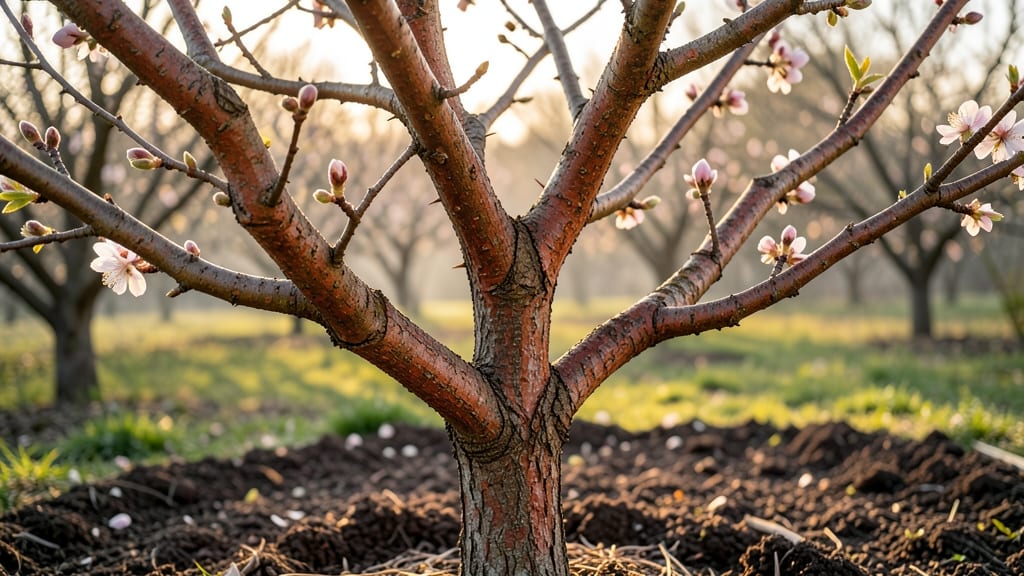
Your peach tree branches hold the key to next year's harvest—and right now, they're screaming for attention. ✂️ I've spent three seasons learning which cuts bring big rewards (more fruit, stronger structure) and which ones turn your tree into a sad, tangled mess.
The difference comes down to timing, technique, and knowing which branches to keep (and which to say goodbye to forever).
Most gardeners wait until spring to prune, but peach trees need two pruning sessions: a light cleanup in late winter and a more aggressive shaping in early spring. You're not just cutting branches—you're training the tree to grow fruit-bearing wood instead of wild, tangled limbs.
The tools you need? Just sharp pruners, a saw for thicker branches, and a bottle of rubbing alcohol to sterilize cuts between branches.
By summer's end, you'll see the results: open centers that let sunlight reach all the fruit, fewer broken limbs from heavy loads, and a tree that looks like it was designed by a pro.
The best part? Healthy branches mean fewer pests and diseases creeping in through weak spots. This isn't just pruning—it's an investment in your tree's future.
Works for backyard peach trees in zones 5-9, whether you've got a 5-year-old sapling or a mature tree that's been neglected for years. Let's get those branches in shape before next season's fruit even thinks about forming.
📚 In This Guide
- What you need
- Instructions
- Tips and common mistakes
- Wrapping up and next steps
What you need
- ● Pruning shears: Bypass pruners (for cuts up to ½ inch thick) – 1 pair (look for sharp, corrosion-resistant stainless steel blades).
- ● Loppers: For thicker branches (½ to 1.5 inches) – 1 pair (choose ratcheting or bypass style for precision).
- ● Pruning saw: For branches over 1.5 inches – 1 (curved blade for clean cuts).
- ● Gloves: Heavy-duty, cut-resistant (to protect from thorns and debris) – 1 pair.
- ● Disinfectant: 70% isopropyl alcohol or rubbing alcohol (to sterilize tools between cuts) – small bottle.
- ○ Sealing wax or pruning sealant: (Optional but recommended for large cuts to prevent disease) – small tube.
- ● Extension pole: (For high branches, 6–12 ft) – 1 (with a saw or shears attachment).
- ● Ladder: Sturdy, non-slip (if tree is over 8 ft tall) – 1 (or a sturdy stool for smaller trees).
- ● Trash bags: Heavy-duty (for debris) – 2–3.
- ● Notebook & pen: (To sketch branch maps or note cuts) – 1.
- ● Weather check: Prune on a dry, calm day (avoid rain or wind for 24 hours before/after).
- ● Safety glasses: (To protect from debris) – 1 pair.
- ● Long sleeves/pants: (For thorn protection).
- ● First-aid kit: (Basic supplies for minor cuts or scrapes).
- ● Tree health assessment: Inspect for signs of disease (e.g., oozing sap, dead branches) before pruning.
- ● ✨ Sharpen your tools: Dull blades tear bark—use a file to keep shears and saws razor-sharp.
- ● 🌡️ Timing matters: Late winter/early spring (before buds swell) is ideal for major pruning.
- ● 🎯 Plan your cuts: Sketch a rough map of the tree’s structure to visualize open space and sunlight goals.
How to prune peach tree branches for year-round health
Healthy peach trees produce better fruit and resist disease—here's how to prune like a pro.
✂️ Step 1: Prune in Late Winter Before Bud Break
Timing matters most for peaches. I always prune in late winter (just before buds swell) when the tree is dormant but before new growth starts. This prevents disease spread and gives you a clear view of the branch structure. Use sharp, clean pruners to make 45-degree cuts just above a bud or branch collar—never leave stubs, which invite rot.
Start by removing dead, diseased, or crossing branches first. These are easy to spot—they're brown, brittle, or rub against each other. Cut them back to healthy wood. You'll know you're on the right track when the cuts expose fresh, green tissue underneath.
🌿 Step 2: Thin the Canopy for Better Airflow
Peach trees need good airflow to prevent fungal diseases like brown rot. I look for branches growing inward or rubbing against others—these create dark, damp pockets where spores thrive. Remove 25-30% of the canopy by cutting back these branches to the trunk or a strong lateral branch.
Focus on the center of the tree first. Thin branches should be spaced 8-12 inches apart to allow sunlight to reach all fruit. You'll see the difference immediately—more light means fewer disease issues and sweeter fruit. Avoid over-pruning; peaches need a strong framework to support their heavy harvests.
☀️ Step 3: Shape for Sun Exposure and Fruit Production
Peach trees fruit best on last year's wood, so I prune to encourage strong, outward-growing branches. Cut back overly vigorous vertical shoots to a lateral branch or bud. These "water sprouts" steal energy from fruit production. Aim for an open vase shape with branches spreading outward at 45-60 degrees from the trunk.
Look for suckers (shoots growing from the base) and remove them completely. These compete with the main tree for nutrients. After pruning, step back and visualize sunlight reaching the center—this is your goal. A well-shaped tree will have fewer but larger, healthier fruit come summer.
⏰ Step 4: Summer Pruning for Disease Prevention
After the initial winter prune, I do a light summer cleanup to remove any diseased or storm-damaged branches as they appear. Use sterilized pruners (wipe with rubbing alcohol between cuts) to prevent spreading fungal infections. Cut just above a healthy bud or branch collar, and dispose of diseased wood immediately.
Watch for sucker growth in summer too—these pop up fast and drain energy. Snip them off at the base. You'll notice the tree looks more open and less crowded after summer pruning, which reduces humidity in the canopy and cuts down on pests.
✂️ Step 5: Fall Cleanup for Winter Readiness
In late fall, after leaves drop, I do a final check for dead branches or weak growth. Remove any branches that died over winter—they're easy to spot as they're hollow or completely brown. Cut them back to healthy wood. This keeps the tree strong and prepares it for dormancy.
Rake up and dispose of all pruned material (don't compost diseased wood). A clean workspace prevents next year's problems. Your tree will enter winter resilient and ready to burst into growth come spring.
Tips & tricks for perfect peach tree pruning
Here's what nobody tells you about keeping your peach tree thriving all year—these tricks make all the difference.
The Timing Secret: Late winter pruning (just before buds swell) is non-negotiable for peaches. I've learned the hard way that pruning too early can expose fresh cuts to freezing temperatures, while pruning too late encourages new growth that gets damaged by spring frosts. Aim for that narrow window when the tree is still dormant but buds haven't started swelling—usually around late February to early March in most growing zones. If you miss this window, wait until late fall after leaves drop.
Cutting Technique That Changed Everything: Always make your cuts at a 45-degree angle just above a bud or branch collar, never leaving stubs. I used to make flat cuts, and those stubs would rot over time. The angled cut helps water run off, and cutting above a bud encourages new growth in the right direction. For larger branches over 2 inches thick, make a second cut about 6 inches down the branch to avoid tearing the bark. This creates a clean break that heals better.
Equipment Upgrade: Invest in a good pair of bypass pruners for clean cuts on branches up to 1/2 inch thick, and a pruning saw for thicker branches. I sterilize my tools between cuts with rubbing alcohol—this prevents spreading fungal diseases like brown rot. For larger branches, I use a three-cut method: undercut, top cut, and then twist to separate cleanly. This prevents bark tearing, which can invite infections.
Visual Cue for Proper Pruning: After removing branches, step back and visualize sunlight reaching the center of the tree. You should be able to see through the canopy to the trunk in several places. If you can't, you haven't thinned enough. The goal is 25-30% canopy reduction—this might seem drastic, but it's what creates that open vase shape peaches need. Think of it like giving your tree a spa day—more air circulation means fewer diseases and sweeter fruit.
Pro Tips for Peach Tree Branches
- Here's what nobody tells you about keeping your peach tree thriving all year—these tricks make all the difference.
- The Timing Secret: Late winter pruning (just before buds swell) is non-negotiable for peaches.
- Cutting Technique That Changed Everything: Always make your cuts at a 45-degree angle just above a bud or branch collar, never leaving stubs.
Frequently asked questions
Got questions about pruning peach tree branches? You’re not alone! Here are answers to common concerns to keep your tree thriving year-round.
When is the best time to prune peach tree branches?
The ideal time is late winter or early spring (before buds swell) to avoid disease spread. Avoid pruning in fall—it invites fungal infections. For light shaping, summer pruning is okay, but focus on removing dead or diseased branches.
How do I know which branches to cut on a peach tree?
Remove branches that are dead, crossing, or rubbing (they damage bark). Cut back suckers (shoots from the base) and water sprouts (fast-growing vertical shoots). Aim to open the canopy for airflow and sunlight—thin out crowded branches first.
Can I prune peach tree branches in summer?
Yes, but lightly! Summer pruning helps control size and shape, but avoid heavy cuts. Focus on removing suckers, water sprouts, and diseased branches. Prune in early morning to reduce stress on the tree.
What should I avoid when pruning peach tree branches?
Avoid these mistakes:
- Over-pruning—never remove more than 25% of the canopy at once.
- Leaving stubs—cut just outside the branch collar (the swollen area where the branch meets the trunk).
- Pruning during wet weather—this spreads disease.
What if my peach tree branches keep dying after pruning?
Dead branches may signal bacterial leaf spot, silver leaf disease, or root rot. Sterilize pruners with rubbing alcohol between cuts. Improve drainage, avoid overhead watering, and consider a fungicide if needed. If the problem persists, consult a local arborist.
Wrapping up and next steps
Caring for your peach tree branches doesn’t have to be overwhelming—just a little intentionality and timing go a long way! By mastering the art of targeted pruning, you’ll unlock a healthier tree, bigger harvests, and stronger growth year after year. 🌱
Now that you’re armed with the right tools and techniques, roll up your sleeves and give your peach tree the TLC it deserves.
Start with a single branch this weekend—you’ll be amazed at the difference! Ready to dive deeper? Check out our step-by-step pruning guide for a refresher or share your progress with fellow gardeners online. Happy pruning!