
Pruning
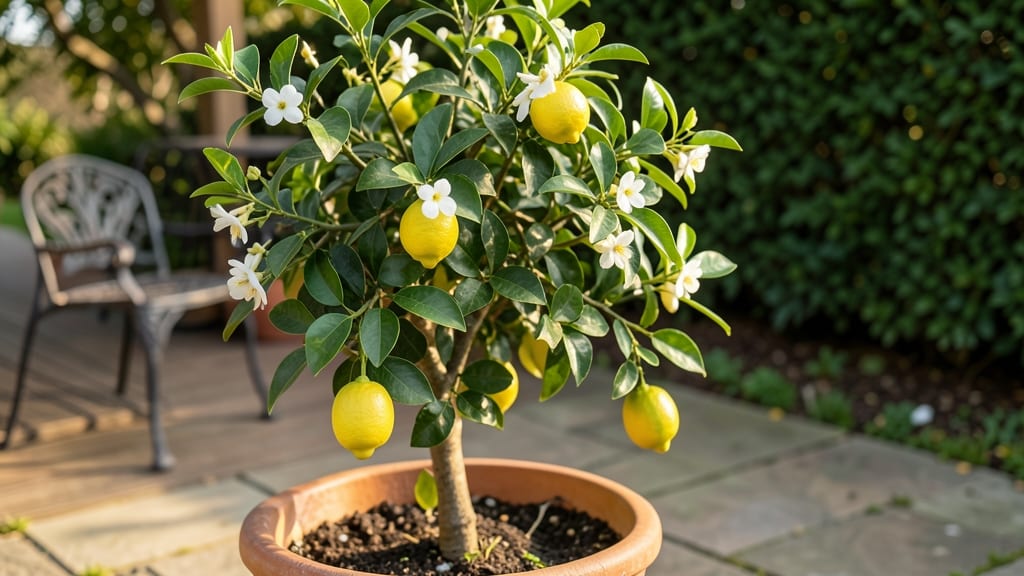
Mastering patio lemon tree care requires sunlight obsession—at least 6-8 hours daily, but more is better. 🌞 I learned the hard way when my first tree produced zero lemons because it sat in a shady corner (yes, I read the tag wrong).
The secret isn't just placing it in full sun—it's rotating the pot every few weeks so all sides get equal light exposure.
You'll need well-draining soil (citrus hates soggy feet), a container with drainage holes, and a watering routine that mimics Mediterranean rainfall: deep waterings every 1-2 weeks (check soil moisture first—stick your finger in!).
Fertilize lightly with citrus-specific food every 2-3 months, and watch how the leaves perk up within weeks. The first year is all about establishing roots, not fruit—patience here pays off with harvests starting year two.
By summer, you'll spot tiny blossoms that smell like heaven, and with proper care, those turn into juicy lemons by fall. The tree stays compact enough for patios (prune only to shape), and the scent alone makes your outdoor space feel like a Mediterranean retreat. Winter?
Move it indoors near a sunny window if temps dip below 40°F. Common mistakes? Overwatering (root rot is silent), forgetting to repot every 2-3 years, or using regular potting mix (citrus needs gritty, fast-draining soil).
But get this right, and you'll have fresh lemons for cocktails, baking, or just admiring their bright yellow glow against your patio backdrop.
📚 In This Guide
- What you need
- Instructions
- Tips and common mistakes
- Wrapping up and next steps
What you need
- ● Potting Soil: 5–10 gallons of well-draining, acidic potting mix (pH 6.0–7.0). Look for a blend labeled for citrus trees or amend regular potting soil with perlite or sand (20% perlite/sand ratio).
- ● Container: A pot with drainage holes, at least 12–18 inches in diameter and depth (larger for mature trees). Terracotta or fabric pots work best.
- ● Pruning Tools: Bypass pruners (for clean cuts on small branches)
- ● Loppers (for thicker branches, up to 1-inch diameter)
- ● Sterilizing solution (70% isopropyl alcohol or bleach-water mix)
- ● Fertilizer: Slow-release citrus fertilizer (10-10-10 or 8-3-9 ratio) or organic options like citrus-specific compost. Apply every 4–6 weeks during growing season.
- ● Watering Supplies: Watering can with a rose attachment (for gentle, deep watering)
- ○ Moisture meter (optional but helpful for monitoring soil dryness)
- ● Support & Protection: Stakes or a small trellis (if training the tree vertically)
- ● Frost cloth or a portable greenhouse (for winter protection in cold climates)
- ● Citrus-specific mulch (e.g., pine bark or straw) to retain moisture and regulate soil temp.
- ● Epsom salt (magnesium sulfate) for occasional foliar sprays (1 tbsp per gallon of water, monthly).
- ● Honey or sugar water (1 tsp per quart of water) to attract pollinators if you’re hand-pollinating flowers.
- ● Grow lights (LED or full-spectrum) for indoor winter setups in low-light areas.
Step-by-step instructions for patio lemon tree care
Here’s how I keep my patio lemon tree thriving—no green thumb required.
☀️ Step 1: Position for Sunlight and Shelter
Lemon trees need 6-8 hours of direct sunlight daily to produce fruit, but they also hate cold drafts. Place your tree near a south-facing wall or patio where it gets morning sun and afternoon shade in hot climates. If you’re in a windy area, shield it with a lattice or trellis—leaves will yellow and drop if they’re constantly buffeted.
I always check the leaf color after a week: bright green means it’s happy; pale or crispy edges mean it’s getting too much sun or wind. Adjust the position gradually over a few days so the tree doesn’t get sunburned.
💧 Step 2: Water Deeply but Infrequently
Patio lemon trees despise soggy roots but need consistent moisture. Water once a week in summer (or when the top 2 inches of soil feel dry), and reduce to every 2-3 weeks in winter. I use a 5-gallon watering can to soak the soil until water runs out the drainage hole—this encourages deep root growth instead of shallow, thirsty roots.
Yellow leaves? You’re probably overwatering. Brown, crispy leaves? Underwatering. The key is even moisture—never let the soil dry out completely, but don’t keep it soggy. Mulch with 2-3 inches of organic material (like shredded bark) to retain moisture and keep roots cool.
✂️ Step 3: Prune for Shape and Airflow
Minimal pruning keeps your lemon tree healthy and productive. Cut back dead, crossing, or overcrowded branches in late winter or early spring using clean, sharp pruners. I always make cuts just above a leaf node (the bump where leaves grow) to encourage new growth. Avoid heavy pruning—lemons bloom on new wood, so don’t remove more than 20% of the tree at once.
Watch for suckers (shoots growing from the base) and remove them immediately—they sap energy from fruit production. Thin out leaves if the tree gets mushy, black spots (a sign of fungal issues from poor airflow). A well-pruned tree will have an open, airy shape with sunlight reaching all branches.
🌿 Step 4: Feed and Protect Through Seasons
Feed your lemon tree every 6-8 weeks in growing season (spring to fall) with a balanced citrus fertilizer (like 6-6-6 or 8-3-9). I mix it into the soil at the drip line (where the branches end) to avoid burning roots. In winter, skip fertilizer—lemons go semi-dormant and don’t need extra nutrients.
Protect from pests like scale or aphids with a neem oil spray (1 tsp per quart of water) if you spot sticky residue on leaves. I also bring potted trees indoors if temps drop below 40°F—lemons are tender and won’t survive frost. A sunny windowsill or grow light keeps them happy until spring.
🍋 Step 5: Harvest and Encourage Fruit Set
Lemon trees produce fruit best when they’re well-established (2-3 years old). Harvest lemons when they’re fully yellow and slightly soft to the touch—this usually takes 6-12 months after flowering. Twist gently to avoid tearing the stem. I always leave a few extra on the tree to ripen fully for the best flavor.
To encourage more blooms (and thus more fruit), give your tree a light trim after harvest to shape it and remove any wood that’s grown too leggy. A cool night (50-60°F) after a hot day also triggers flowering—so if your tree isn’t fruiting, check if it’s getting enough temperature variation.
Tips & tricks for thriving patio lemon trees
Here's what I've learned after years of keeping my patio lemon tree alive and producing fruit—these small details make all the difference.
Sunlight Strategy: The 6-8 hours of sunlight requirement is non-negotiable, but how you position your tree matters just as much. I've found that placing it near a south-facing wall provides natural protection from afternoon winds while still getting that essential morning sun. If your patio gets intense afternoon sun, consider moving the tree slightly eastward after a week—you'll notice the leaves stay vibrant green rather than turning pale or crispy at the edges.
Watering Wisdom: That 5-gallon watering can isn't just for show—it ensures you're giving your tree enough water to reach those deep roots. I've ruined trees by using smaller watering cans that only wet the surface. When checking soil moisture, stick your finger 2 inches down—if it feels dry, it's time to water. And here's a trick: water in the morning so leaves have time to dry, preventing fungal issues.
Pruning Precision: When you're pruning those dead or crossing branches in Step 3, make your cuts at a 45-degree angle just above a leaf node. I learned this the hard way—straight cuts can collect water and cause rot. Also, keep your pruners clean between cuts to prevent spreading any potential diseases. Remember, you're shaping the tree AND encouraging new growth that will produce next year's fruit.
Seasonal Adjustments: The temperature thresholds are crucial—40°F is your frost warning, and that 50-60°F night after a hot day is your secret to more blooms. I've found that moving my tree indoors before temperatures drop below 40°F saves it every winter. And for those cool nights that trigger flowering, consider using a small fan to create gentle airflow around the tree—it mimics natural conditions that stimulate blooming.
Pro Tips for Patio Lemon Tree Care
- Here's what I've learned after years of keeping my patio lemon tree alive and producing fruit—these small details make all the difference.
- Sunlight Strategy: The 6-8 hours of sunlight requirement is non-negotiable, but how you position your tree matters just as much.
- Watering Wisdom: That 5-gallon watering can isn't just for show—it ensures you're giving your tree enough water to reach those deep roots.
Frequently asked questions
Got questions about keeping your patio lemon tree happy? You’re not alone! Here are some of the most common concerns—and straightforward answers—to help your citrus thriving year-round.
How often should I water my patio lemon tree?
Water your lemon tree deeply 2-3 times per week during hot months, letting the top 1-2 inches of soil dry out between waterings. In cooler weather, reduce to once a week. Overwatering is worse than underwatering—always check soil moisture before watering. Mulch helps retain moisture!
Can I keep my lemon tree indoors during winter?
Yes! Move your lemon tree indoors when temps drop below 40°F (4°C). Place it near a sunny window (south-facing is ideal) and reduce watering. Avoid drafts or sudden temperature changes. If outdoors year-round, use frost cloth or a small greenhouse to protect it from light freezes.
Why aren’t my lemon tree’s leaves turning yellow?
Yellow leaves usually mean overwatering, poor drainage, or nutrient deficiency. Check the roots—if they’re mushy or the soil smells sour, repot in fresh, well-draining soil. Yellowing between veins often signals iron deficiency; use a citrus-specific fertilizer or add iron supplements.
How do I prune my lemon tree for better fruit production?
Prune in late winter or early spring (before new growth starts) to remove dead, crossing, or crowded branches. Cut back only 1/3 of the tree’s height per year. Focus on opening the center for airflow—this boosts fruit quality! Use sterilized shears to prevent disease.
What pests should I watch for on my patio lemon tree?
Keep an eye out for aphids, spider mites, and scale insects—they love lemon trees! Wipe leaves with a neem oil solution or insecticidal soap for mild infestations. For stubborn pests, introduce beneficial insects like ladybugs or use horticultural oil. Regularly inspect undersides of leaves!
Wrapping up and next steps
Caring for a patio lemon tree is all about balance—sunlight, water, and occasional pruning to keep it happy and fruitful! 🌿 With the right tools and a little patience, you’ll enjoy fresh lemons year-round without the fuss. Remember, consistency is key, whether you’re trimming for shape or health.
Now that you’re armed with tips, take the next step—grab your pruners and give your tree some love! Whether it’s a quick trim or a full check-up, your lemon tree will thank you with vibrant growth and delicious rewards. Happy pruning! 🍋✨